Pratik Kamble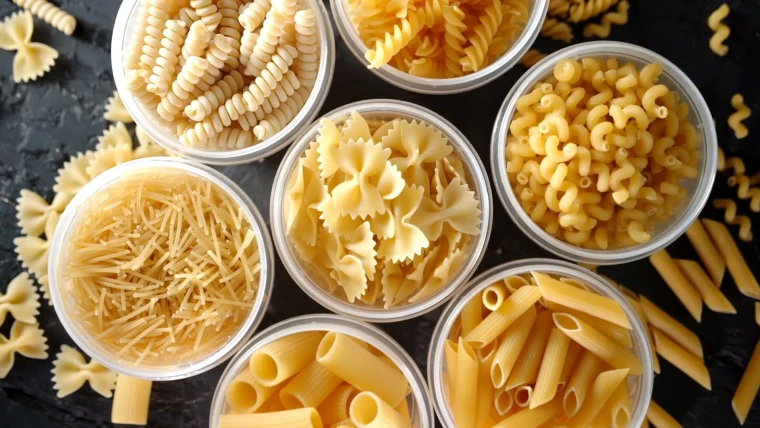
🍝 107% Tariff Threatens Italian Pasta Imports Over US Anti-Dumping Claims
Spaghetti night in America could soon become dramatically more expensive, or even impossible, for fans of imported Italian brands. The U.S. Department of Commerce has issued a preliminary finding that could raise import tariffs on pasta from Italy to a combined rate of 107% early next year. The move, which stems from a long-running trade dispute, is being called “hyper-protectionist” by Italian officials and threatens to virtually wipe out Italy’s nearly $700 million annual pasta export market to the U.S.
⚖️ The Reason: Accusations of “Dumping”
The astonishing 107% figure is not a single tax but the combination of two separate duties:
-
- Existing Tariff (15%): A baseline tariff already in place on a broad range of goods imported from the European Union.
- Anti-Dumping Duty (91.74%): A new, massive duty proposed by the Commerce Department following an investigation into whether Italian companies are “dumping” their product.
What is Dumping?
“Dumping” is the unfair trade practice of an exporter selling a product in a foreign market at a price that is lower than its domestic market price or below its cost of production. American pasta manufacturers, including 8th Avenue Food & Provisions and Winland Foods, filed the complaint, arguing that Italian producers were unfairly undercutting local competitors.
The Penalties and Non-Cooperation
The Commerce Department’s preliminary results, released in September, targeted 13 major Italian pasta exporters, including market leaders La Molisana and Pasta Garofalo. The Department stated that the two firms chosen for detailed review failed to provide the requested financial data and were therefore deemed “uncooperative.” Due to this alleged failure, the 91.74% anti-dumping duty was imposed on all 13 companies, representing a significant portion of the Italian export sector.
Italian executives strongly deny the allegations of uncooperativeness, claiming the process was flawed and that they sell their pasta in the U.S. at a higher price than in their domestic market.
🛒 The Impact: Doubled Prices and Empty Shelves
If the combined 107% tariff takes effect in January 2026, the consequences will be immediate and severe for both producers and American consumers:
- Price Shock: Industry executives warn that a typical 16-ounce box of imported Italian pasta that currently sells for around $3.99 could jump to $7.99 or more—effectively doubling the price and pricing out many families. Italy’s largest agricultural organization, Coldiretti, warns this would “double the cost of a plate of pasta for American families.”
- Market Exodus: Facing a prohibitive import tax, many Italian companies, including Rummo, are preparing to suspend or completely halt their U.S. exports. Retailers and importers will have little financial choice but to pull the affected brands from their shelves.
- Rise of “Italian Sounding” Products: Italian officials fear the tariffs will benefit the domestic U.S. pasta producers and, more worryingly, encourage the market takeover by “Italian-sounding” imitations—domestically or third-country-produced goods that mimic genuine Italian brands, further harming the reputation of authentic Made in Italy products.
The Italian government, led by its Foreign Minister, has initiated intense diplomatic efforts with the U.S. to challenge and reverse the preliminary finding before the final decision is issued in early 2026. This dispute underscores the growing fragility of trade relations and the tension between economic protectionism and global free trade.