Pratik Kamble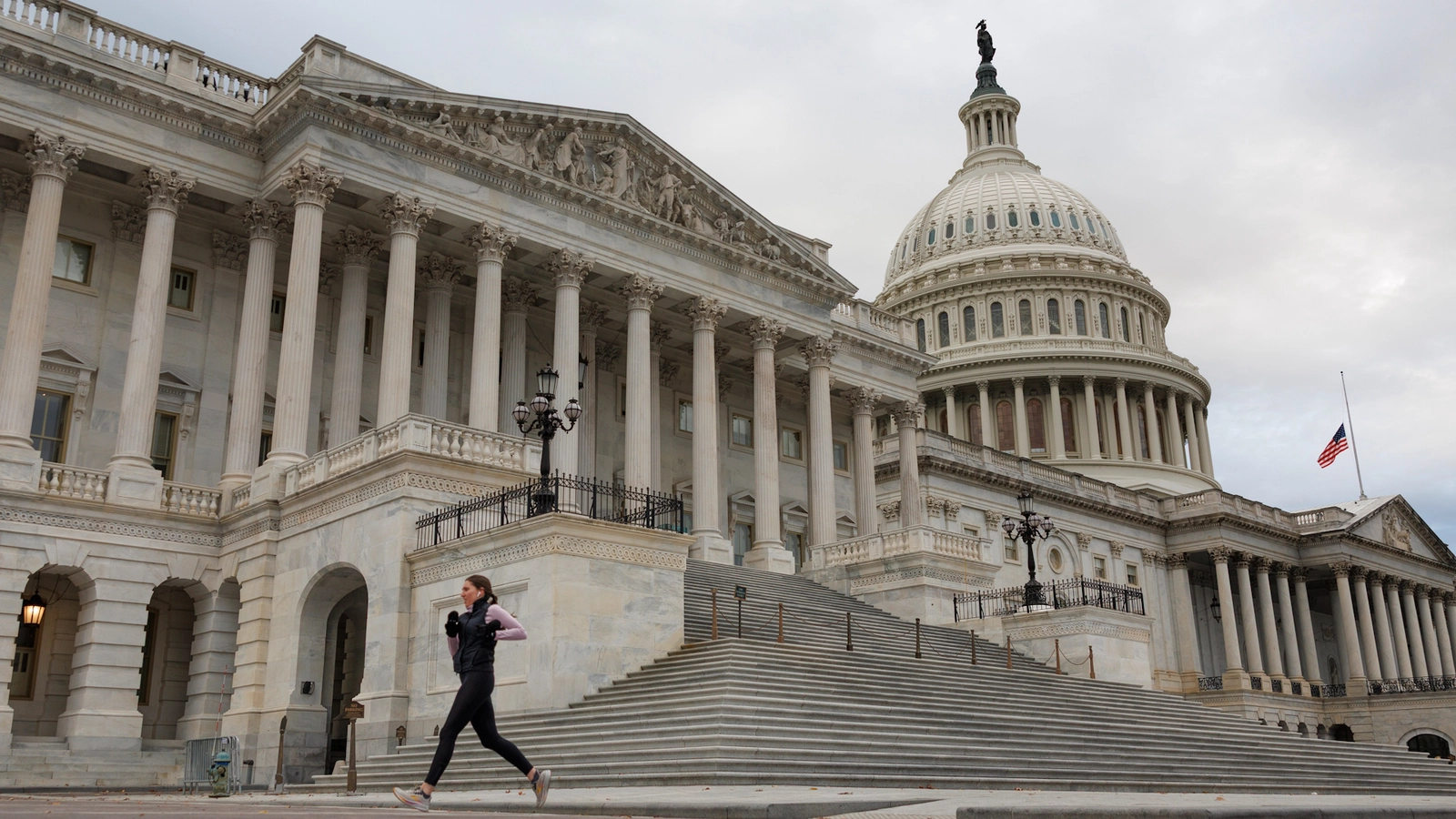
🏛️ 41-Day Shutdown Ends: House Returns to Pass Compromise, But ACA Battle Looms
After 41 agonizing days, the longest U.S. government shutdown in history finally came to an end. Members of the House of Representatives returned to Washington this week, successfully passing the compromise funding bill that had been approved by the Senate, sending the measure to the President’s desk for signature. The vote, while relieving the financial pressure on hundreds of thousands of federal workers, confirmed a painful truth for the Democrats: they were forced to surrender their primary policy demand to get the government reopened.
The political dynamics of the final hours revealed a deeply fractured Democratic party, with moderate members rebelling against their leadership to force an end to the crisis.
🤝 The Terms of the Political Deal
The funding package passed with a wide bipartisan margin in the Senate and House, driven by the urgency of the economic and humanitarian crisis the shutdown had caused.
Key Victories for Resolution
The deal accomplished three immediate, essential goals:
-
- Temporary Funding: It funds most federal agencies through January 30, 2026, giving Congress a short reprieve to negotiate a full-year appropriations package.
- Worker Relief: It guarantees back pay for all furloughed federal workers and includes clear language to reverse the thousands of firings (reductions in force) that the Trump administration had initiated during the standoff.
- Essential Stability: It provided full-year funding for critical, non-controversial measures, including the Department of Veterans Affairs and the USDA/FDA, ensuring these essential services were secured.
The ACA Subsidies Sacrifice
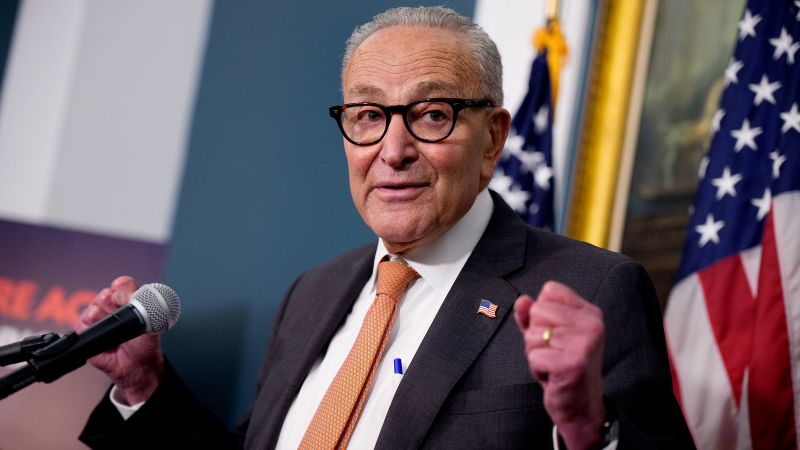
Crucially, the deal did not include an extension of the enhanced Affordable Care Act (ACA) premium tax credits—the single issue that Senate Minority Leader Chuck Schumer (D-NY) had insisted on to keep the government open. Instead, the moderates who broke ranks accepted a non-binding promise for a separate Senate vote on the subsidies in mid-December. This guaranteed vote, however, is not guaranteed to pass, meaning Democrats gave up their most powerful leverage (the shutdown) for a non-guaranteed outcome.
💔 Schumer’s Standoff and the Democratic Split
The end of the shutdown exposed a painful strategic failure for the Democratic leadership and created a severe rift within the caucus.
-
- The Schumer Strategy: Schumer’s plan was to use the immense pressure of the government shutdown to force Republicans to extend the ACA subsidies, preventing a major increase in health insurance premiums for millions of Americans. By all accounts, the strategy failed due to its unsustainable duration.
- The Moderate Rebellion: As the shutdown passed the 40-day mark, a bloc of eight moderate Democratic senators, facing intense constituent pressure over the shutdown’s impact on military families and local economies, broke with Schumer and voted for the compromise. This gave Republicans the 60 votes they needed to pass the deal.
- The Progressive Backlash: Progressive lawmakers and activists were furious, calling the compromise a “betrayal” and a “moral capitulation” that sacrificed a critical healthcare policy for a temporary political convenience. Many argued that the Democrats effectively surrendered to Republican pressure after causing massive pain to federal workers.