Pratik Kamble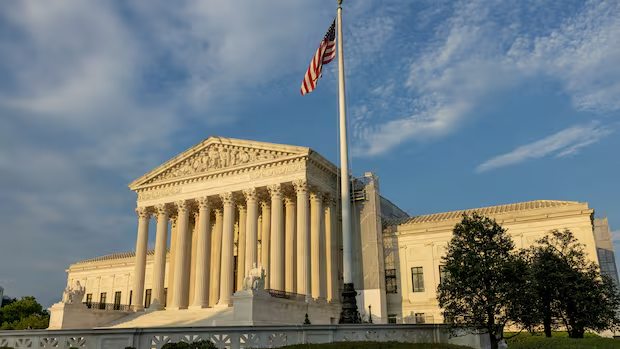
Supreme Court Temporarily Blocks SNAP Funding Order Amid Government Shutdown

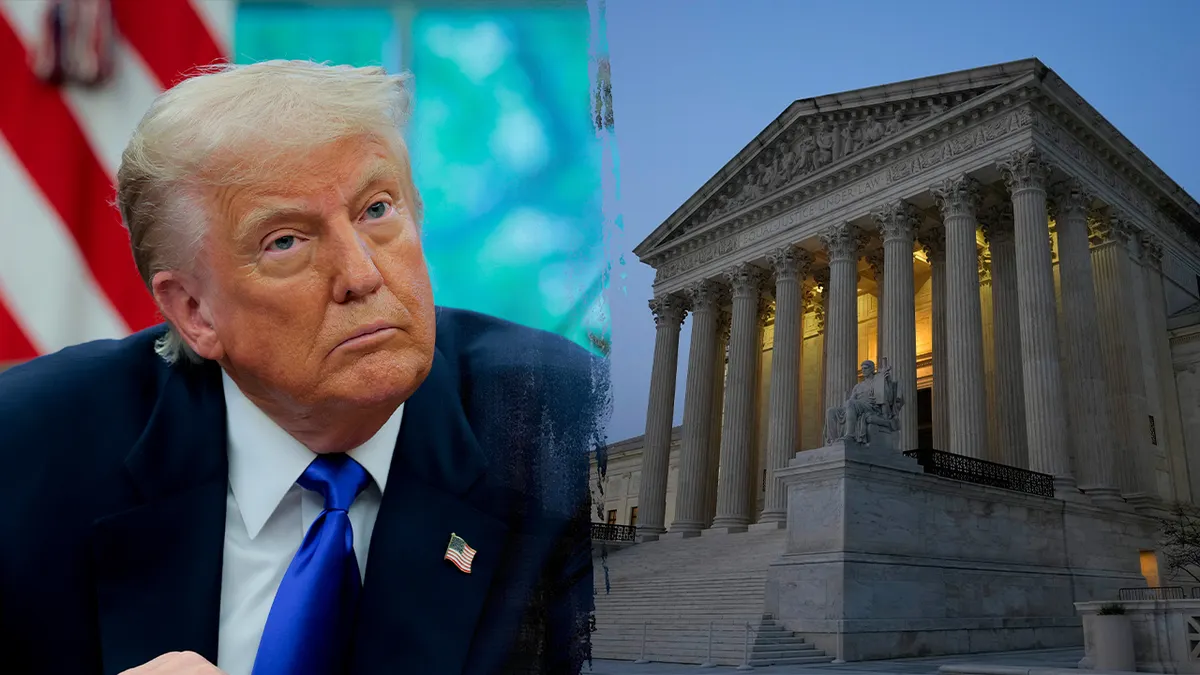
In a key decision, the Supreme Court Trump SNAP funding case took center stage this week as the nation’s highest court approved the Trump administration’s emergency request to pause a lower-court order. That order had required full funding for Supplemental Nutrition Assistance Program (SNAP) benefits during the ongoing government shutdown.
The ruling provides temporary relief for the administration, which argued that the lower court overstepped its authority by forcing the executive branch to spend money without congressional authorization.
Background: Funding Fight Amid Shutdown
The dispute stems from a federal district court ruling that directed the government to continue full SNAP benefit payments even without an active budget. The Trump administration immediately appealed, warning that such a mandate violated constitutional spending powers.
The Supreme Court Trump SNAP funding intervention means SNAP payments could be delayed or reduced until Congress approves new funding.
Administration officials maintain that while they are committed to supporting low-income families, “only Congress holds the power of the purse.”
Political Reactions and Divisions
The decision sparked an immediate political uproar.
Democratic lawmakers criticized the ruling, warning that millions of families relying on food assistance could face uncertainty.
“This decision puts vulnerable Americans at risk,” said Senator Maria Torres (D-CA). “The administration should prioritize families, not legal battles.”
Conservatives, however, praised the Court for upholding the separation of powers.
Representative Mark Greene (R-TX) said the ruling “reaffirms that the Constitution does not grant presidents or judges unlimited authority to spend taxpayer money.”
White House and Legal Response
White House spokesperson James Blair hailed the Supreme Court Trump SNAP funding ruling as “a necessary step to restore fiscal order” and emphasized that the administration continues to urge Congress to “end the shutdown responsibly.”
Legal analysts say the temporary stay signals that the justices may lean toward a narrower interpretation of executive spending powers during budget impasses.
“This case is less about food aid and more about constitutional limits,” noted law professor David Shapiro. “The Supreme Court appears reluctant to let courts dictate federal spending priorities.”
Impact on Americans and Next Steps
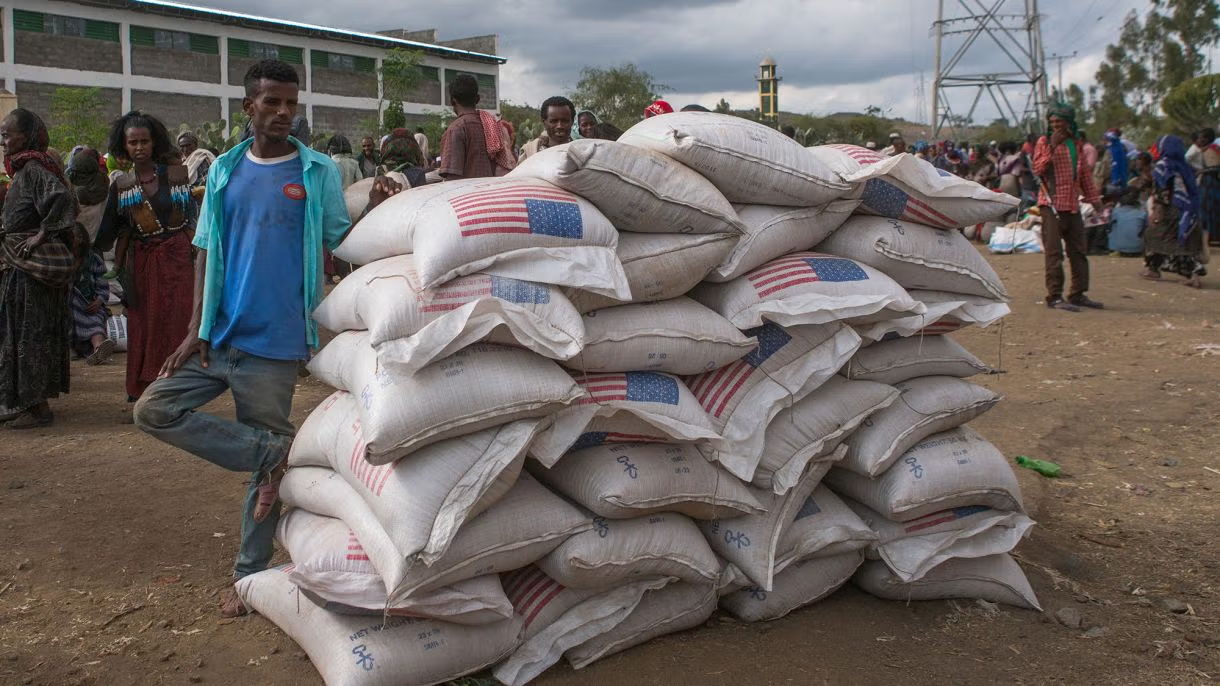
The temporary halt could affect up to 5 million SNAP recipients if the shutdown continues into next month. State agencies have been advised to prepare contingency plans, while food banks are reporting an uptick in demand.
Advocacy organizations, including Feeding America, called for an immediate resolution to prevent further hardship.
Meanwhile, the Justice Department will continue defending the administration’s position in the appeals court, where a full hearing is expected within weeks.
Public and Market Reaction
Social media erupted with mixed reactions under hashtags like #SNAPFunding, #TrumpAdministration, and #SupremeCourtRuling.
Economists say the uncertainty may have ripple effects on grocery retailers that depend heavily on SNAP transactions.
Political observers believe the case could influence voter sentiment heading into the 2026 midterm elections, particularly among working-class Americans.