Pratik Kamble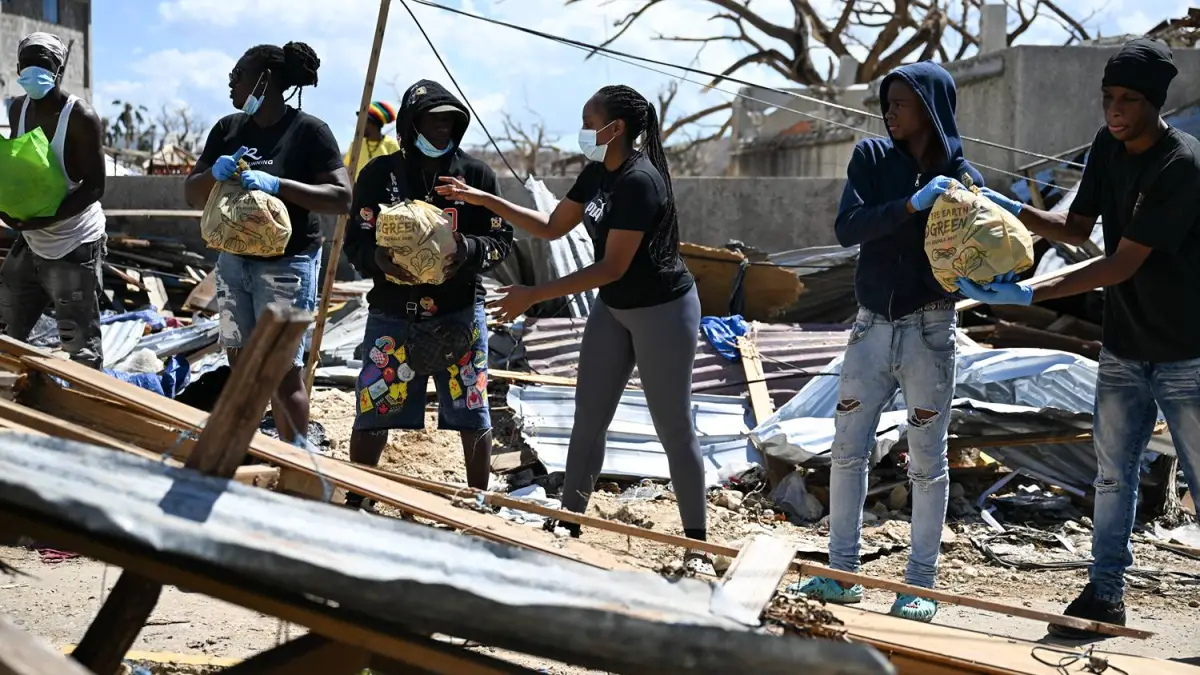
🌪️ Hurricane Melissa: State Dept. Claims Success, Critics Question Post-USAID Response
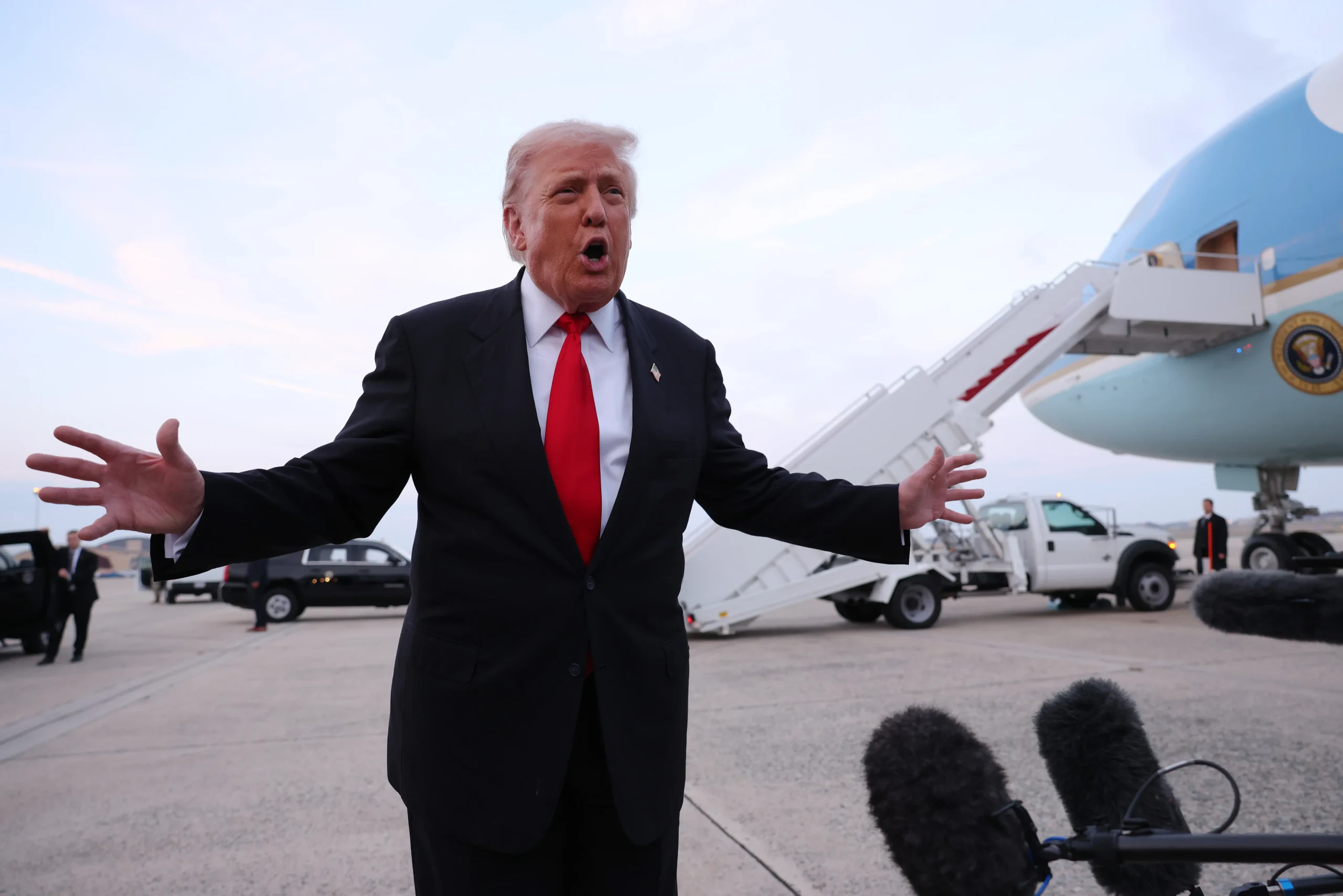
The devastating passage of Hurricane Melissa, a Category 5 storm that brought apocalyptic destruction to the Caribbean, has provided the first high-stakes, real-world test of the U.S. government’s restructured foreign aid model. In the wake of the storm, the State Department is aggressively defending the Trump administration’s controversial decision to dismantle the U.S. Agency for International Development (USAID), claiming its response was an unequivocal success.
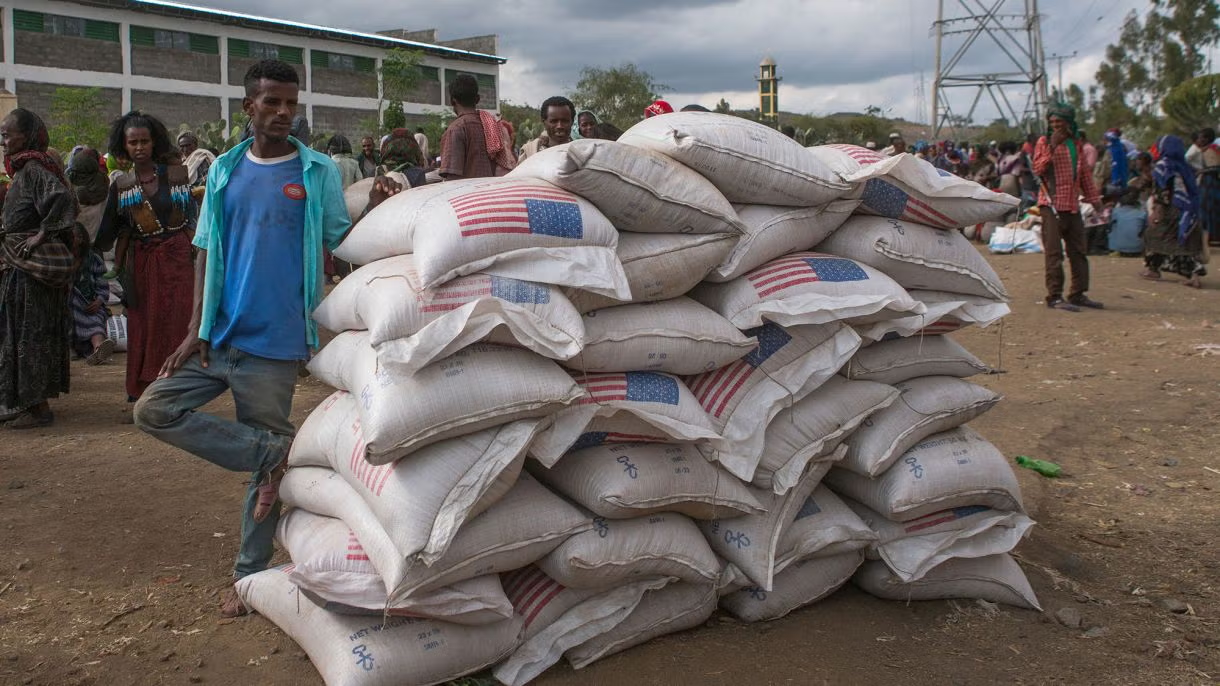
The storm, which savaged Jamaica, Cuba, Haiti, and the Bahamas, struck just months after President Donald Trump ordered USAID shut down in July 2025, citing “wasteful spending” and a desire for more “targeted and time limited” assistance. The department’s new mandate places responsibility for disaster logistics and aid distribution under its own command, rather than an independent agency. This new model, according to a senior State Department official, proved its effectiveness by being integrated directly with broader U.S. foreign policy aims.
🤝 The State Department’s Case for ‘Successful’ Consolidation
The State Department’s defense rests heavily on the rapid mobilization and swift financial allocation that followed the storm’s impact.
Quick Deployment and Initial Financial Injection
Within a short timeframe, the department deployed Disaster Assistance Response Teams (DARTs) to the region, working in coordination with the War Department and U.S. Southern Command. This rapid action led to the approval of $24 million in storm-related assistance for affected countries, including $12 million for Jamaica, which suffered estimated damages of $6–7 billion. The administration views this quick financial package and deployment as validation of the new, streamlined system.
Furthermore, the State Department highlighted the effective coordination with organizations like the Red Cross and the U.S. Chamber of Commerce to maximize the impact of the initial aid. The message from Washington is clear: the specialized bureaucracy of USAID was unnecessary, and the new consolidated structure can respond just as quickly, if not faster.
🚧 The Logistical Gaps and Expert Criticism
Despite the department’s triumphant narrative, the response has been met with significant wariness and frustration by former USAID officials, aid experts, and organizations on the ground. They argue that while money was allocated quickly, the crucial logistical capacity for sustained relief has been severely compromised.
The Loss of Specialized Capacity
The most potent criticism centers on the loss of USAID’s decades of institutional knowledge:
-
- No Pre-Positioning: Former senior officials noted that USAID’s specialized structure allowed it to pre-position relief supplies and disaster teams before a Category 5 storm like Melissa made landfall. The State Department, prioritizing diplomacy, failed to carry out this critical pre-disaster logistics, leading to inevitable delays in aid reaching devastated, cut-off communities.
- Debris and Access: Reports from the UN Development Programme (UNDP) indicated that the storm left over 4.8 million tonnes of debris across western Jamaica alone—the equivalent of 480,000 truckloads. Removing this rubble is critical for aid access and restoring essential services. Critics maintain that coordinating a massive, sustained recovery effort of this scale requires the dedicated, specialized infrastructure and staff that were lost when USAID was eliminated.
- Focus vs. Recovery: Aid groups acknowledged the quick financial support but underscored that the immense, apocalyptic nature of the devastation means the $24 million is only a start. They contend that the State Department’s “targeted and time limited“ approach is fundamentally incapable of managing the long-term, multi-year rebuilding effort needed to restore livelihoods and infrastructure.
The Hurricane Melissa response, therefore, presents two competing narratives. The State Department claims a victory for its new, streamlined model, while humanitarian experts warn that the true measure of success—the long-term recovery of a deeply damaged region—will ultimately expose the profound logistical gaps created by the USAID dismantling.