Pratik Kamble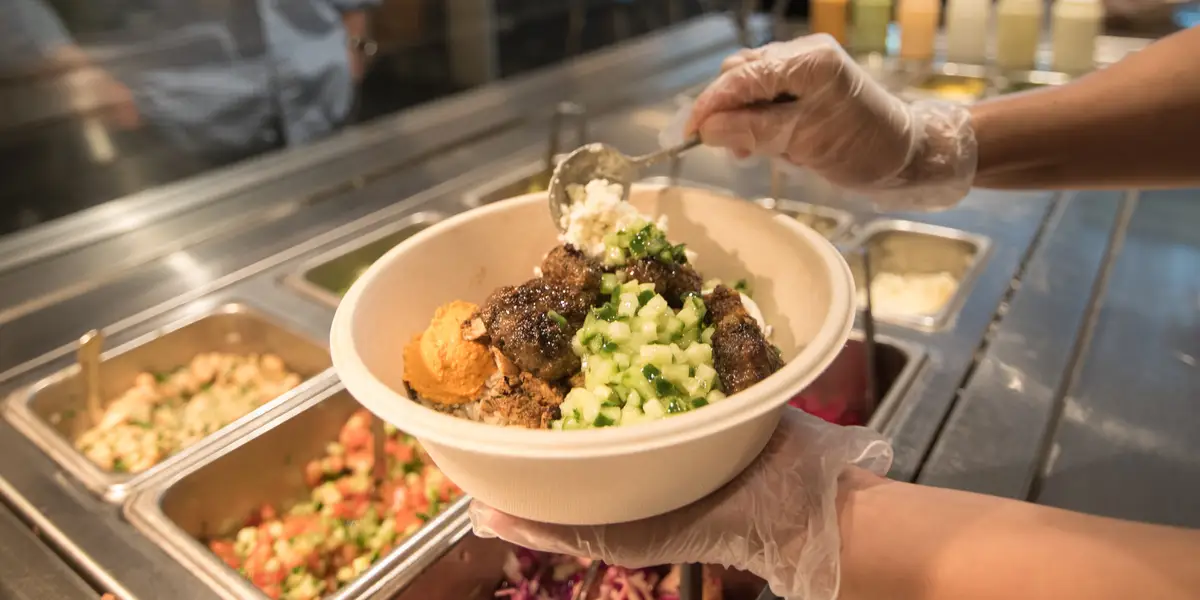
🥣 The Messy Quarter: Why ‘Slop Bowl’ Giants Are Facing Consumer Fatigue
“Purveyors of the so-called ‘slop bowl’ just had another messy quarter.”
This quip succinctly captures the current financial turmoil engulfing the fast-casual restaurant segment specializing in customizable, high-end bowl meals—a category including brands like Sweetgreen, CAVA, and Chipotle. After years of seemingly unstoppable growth and booming valuations, this premium sector is hitting a wall, with recent quarterly reports revealing significant underperformance driven primarily by a cash-strapped and value-seeking consumer base.
The “messy quarter” is less about operational failure and more about a rapid change in consumer behavior, demonstrating that the appeal of the $15-$20 salad or grain bowl is fading under intense economic pressure.
📉 Financial Bloodbath: The Numbers Don’t Lie
The financial results from key players in this segment paint a clear picture of decelerating growth and investor disappointment.
The Sweetgreen Slide
Sweetgreen, the salad and grain bowl pioneer, served up one of the most disappointing reports. For the most recent quarter (Q3 2025), the company reported:
- A wider-than-expected loss in earnings per share (EPS).
- Revenue that fell short of Wall Street forecasts.
- A major decline in same-store sales, which dropped by nearly 10% year-over-year.
The company’s stock fell sharply, reflecting the market’s realization that the path to profitability remains extremely difficult in the current environment. Management conceded that performance was impacted by softer sales trends, particularly in core, high-cost markets like the Northeast and Los Angeles.
CAVA’s Moderation Problem
Even the perceived market darling, CAVA, the Mediterranean-style bowl purveyor, saw its rapid growth story slow dramatically. In their latest report, CAVA’s comparable store sales growth moderated significantly, driven by traffic that was essentially flat for the second consecutive quarter.
While CAVA continues to open new restaurants aggressively, management was forced to narrow and cut its same-store sales outlook for the full year 2025. This deceleration suggests that even CAVA, which has been better at controlling prices than some rivals, is not immune to the sector-wide slowdown.
💰 The Price of Premium: Macroeconomic Headwinds
The central cause of the “slop bowl fatigue” is the consumer’s growing reluctance to pay a premium price for a fast-casual experience.
-
- Gen Z’s Budget Crisis: Analysts point to a crucial shift among younger customers (aged 25-35), a core demographic for these brands. With rising inflation, the resumption of student loan repayments, and higher unemployment rates for younger workers, the $18 lunch has become fiscally unsustainable as a frequent habit.
- The Value Trade-Down: Consumers are aggressively trading down, shifting their spending to cheaper alternatives. This includes quick-service rivals (like McDonald’s and Taco Bell) who are running effective, deep-discount value promotions, as well as the simple choice of packing a lunch or shopping at value-forward grocery stores.
- Saturated Menu Fatigue: Consumers are also tiring of the format itself. The novelty of the “build-your-own” bowl has worn off, and many feel a lack of differentiation when comparing the high cost across similar brands.