Pratik Kamble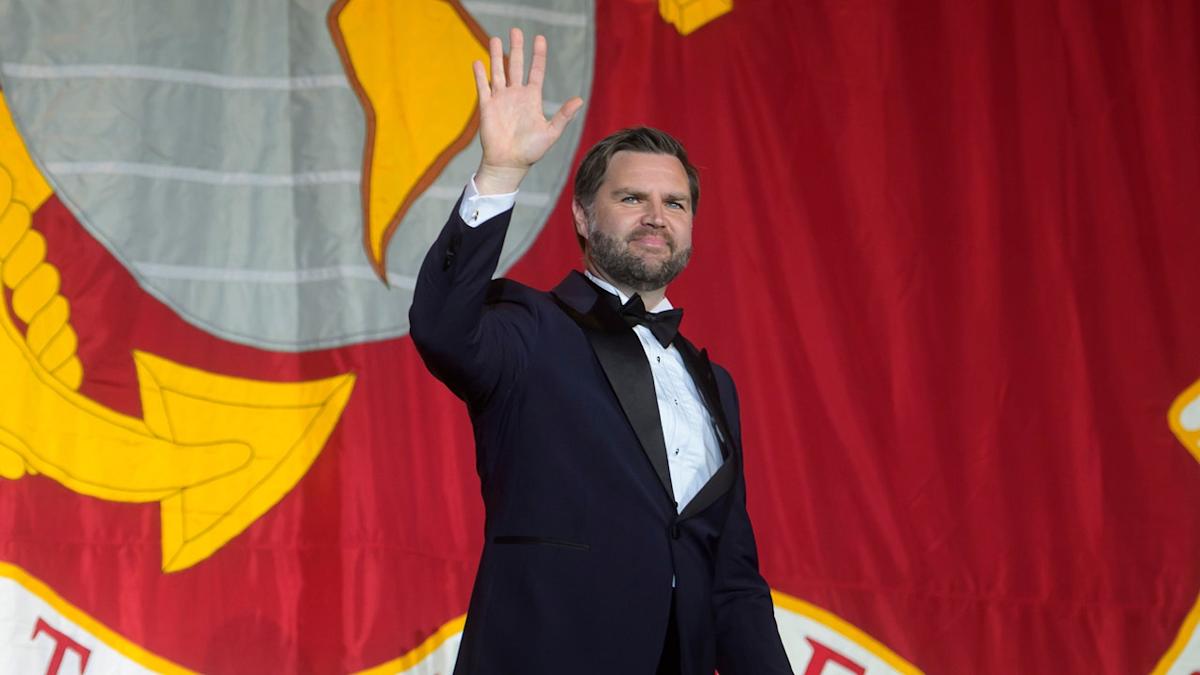
🇺🇸 JD Vance: Veteran Gratitude Is the Best Military Recruitment Strategy
In a powerful message aimed at both the public and political leaders, Vice President JD Vance argued that the nation’s success in recruiting its future fighting force is inextricably linked to how it treats its past and present service members.
The former Marine’s quote, “If we want to keep on ensuring that the very best and brightest sign up for our military, the very best way to do it is to make sure that the veterans know that we are grateful to them,” frames veteran care not merely as a moral obligation, but as a critical component of national security strategy.
🤝 The Recruitment Crisis and the Role of Gratitude
Vance’s comments come at a time when the U.S. military—including the Army, Navy, and Air Force—is grappling with significant recruitment shortfalls, struggling to meet annual enlistment quotas. The reasons are complex, ranging from a low percentage of eligible youth to cultural shifts, but Vance zeros in on a fundamental psychological barrier: trust.
The “Veterans Know” Factor
Vance’s insight is rooted in the idea that potential recruits, especially the “best and brightest,” are looking to the experiences of current veterans as a primary indicator of what military life and post-service transition will truly entail.
- The Unofficial Recruiter: A successful, well-cared-for veteran is the military’s best recruitment tool. If a veteran speaks positively about their service, their healthcare, and their post-service opportunities, it sends a strong, credible signal of trust and security to a young person considering enlisting.
- The Warning Sign: Conversely, stories of bureaucratic VA delays, high rates of veteran homelessness, and difficulties transitioning to civilian life act as potent deterrents. These negative experiences, often shared within families and communities, directly undermine recruitment efforts far more effectively than any recruiting commercial can counteract.
✨ Simple Acts of Kindness as Strategic Policy
The Vice President, who often speaks of his transformative experience as a Corporal in the Marine Corps, deliberately broadened the concept of gratitude beyond mere legislation. While the administration is heavily invested in improving VA healthcare, streamlining disability claims, and fighting homelessness, Vance suggested that simple acts of kindness are just as critical.
This emphasis calls for a shift in civilian culture:
-
- Community Integration: Ensuring veterans feel welcomed and valued in their local communities, not just on one holiday a year. This involves supporting veteran-owned businesses, hiring veterans, and actively listening to their experiences.
- Restoring Trust: Vance argues that the cultural disconnect between the military and civilian populations must be bridged. When service members feel their sacrifice is truly understood and appreciated by the everyday American, their decision to serve feels more meaningful and less transactional.