Pratik Kamble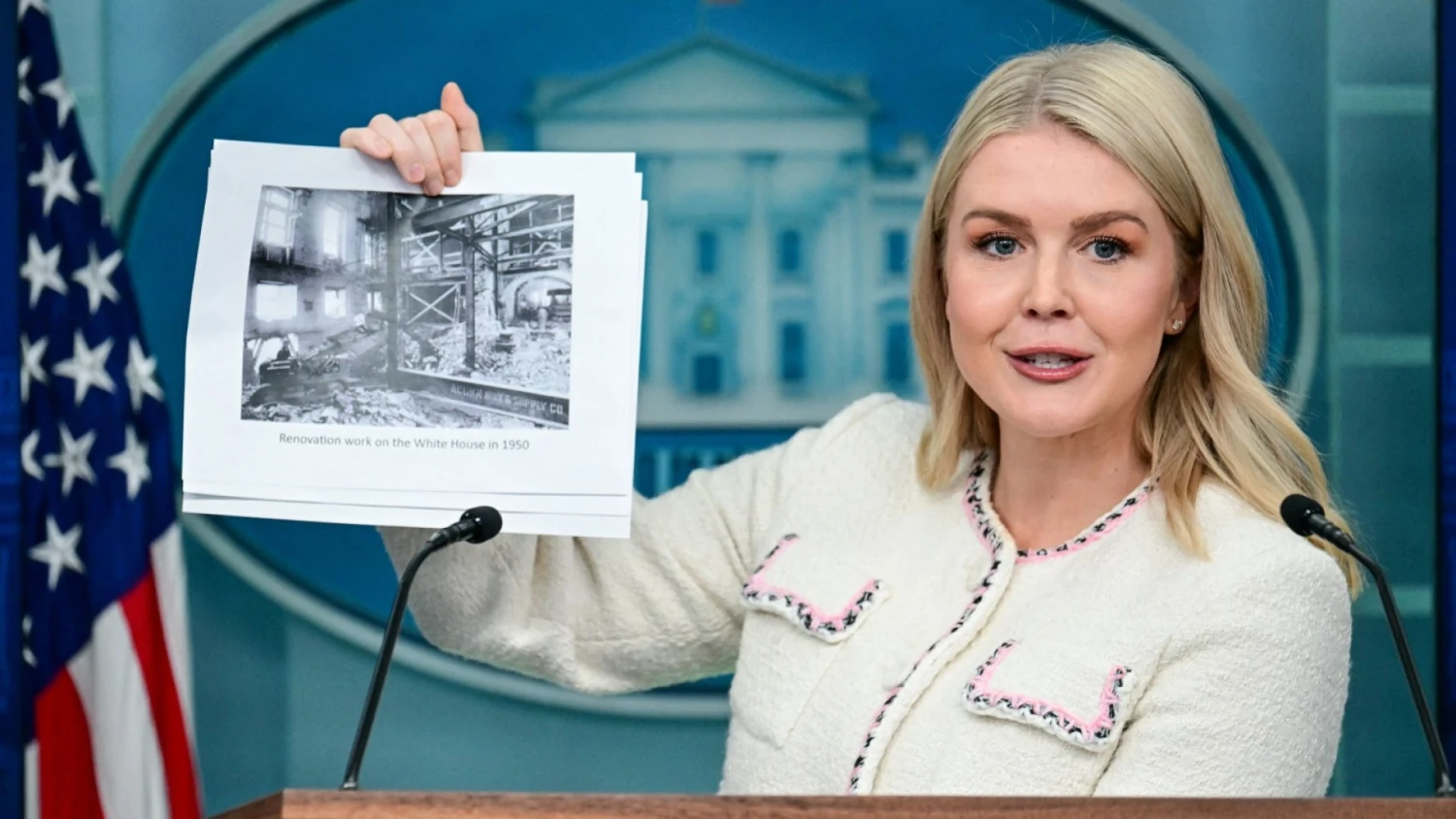
🎤 Leavitt Briefing: White House Touts Shutdown End, Deflects on ACA and Epstein Files
White House Press Secretary Karoline Leavitt took the podium for her 1 PM ET briefing on Wednesday, November 12, 2025, just as the House of Representatives was finalizing its vote to end the longest government shutdown in U.S. history.
The briefing served as a crucial moment for the administration to frame the end of the crisis as a political victory while simultaneously batting away persistent controversies—from the surrender of Democrats’ key healthcare demand to the highly charged Jeffrey Epstein files petition.
1. Touting the Shutdown’s End (And Blaming Democrats)
The primary focus of Leavitt’s opening statement would have been to pivot from the 41-day stalemate and tout the successful reopening of the government.
- The Narrative: Leavitt’s messaging would have mirrored the administration’s consistent stance throughout the crisis: that Democrats were solely responsible for the duration of the shutdown by holding up funding over a “partisan wish list” (the extension of Affordable Care Act subsidies).
- The Accomplishment: She would have emphasized the administration’s quick action to guarantee back pay for federal workers and would have highlighted the relief for families who were worried about food security (SNAP benefits), military pay, and air travel safety—all of which were compromised by the crisis.
- Deflecting ACA: When pressed on the fact that the funding bill failed to secure the enhanced ACA subsidies, Leavitt would have likely deflected by stating the ACA debate is ongoing and is a legislative matter for Congress to resolve. This strategy attempts to remove the White House from the criticism that the political leverage of the shutdown was used and lost.
2. Swatting Away the Epstein Files Controversy
A key focus of the media’s questioning would have been the controversial swearing-in of Representative-elect Adelita Grijalva (D-AZ), which had been delayed for weeks. Her arrival on Wednesday guaranteed the 218th signature needed on the bipartisan discharge petition to force a House floor vote on releasing files related to the Jeffrey Epstein case.
Leavitt was likely put in the difficult position of addressing both the political optics of the delay and the sensitive subject matter of the Epstein files.
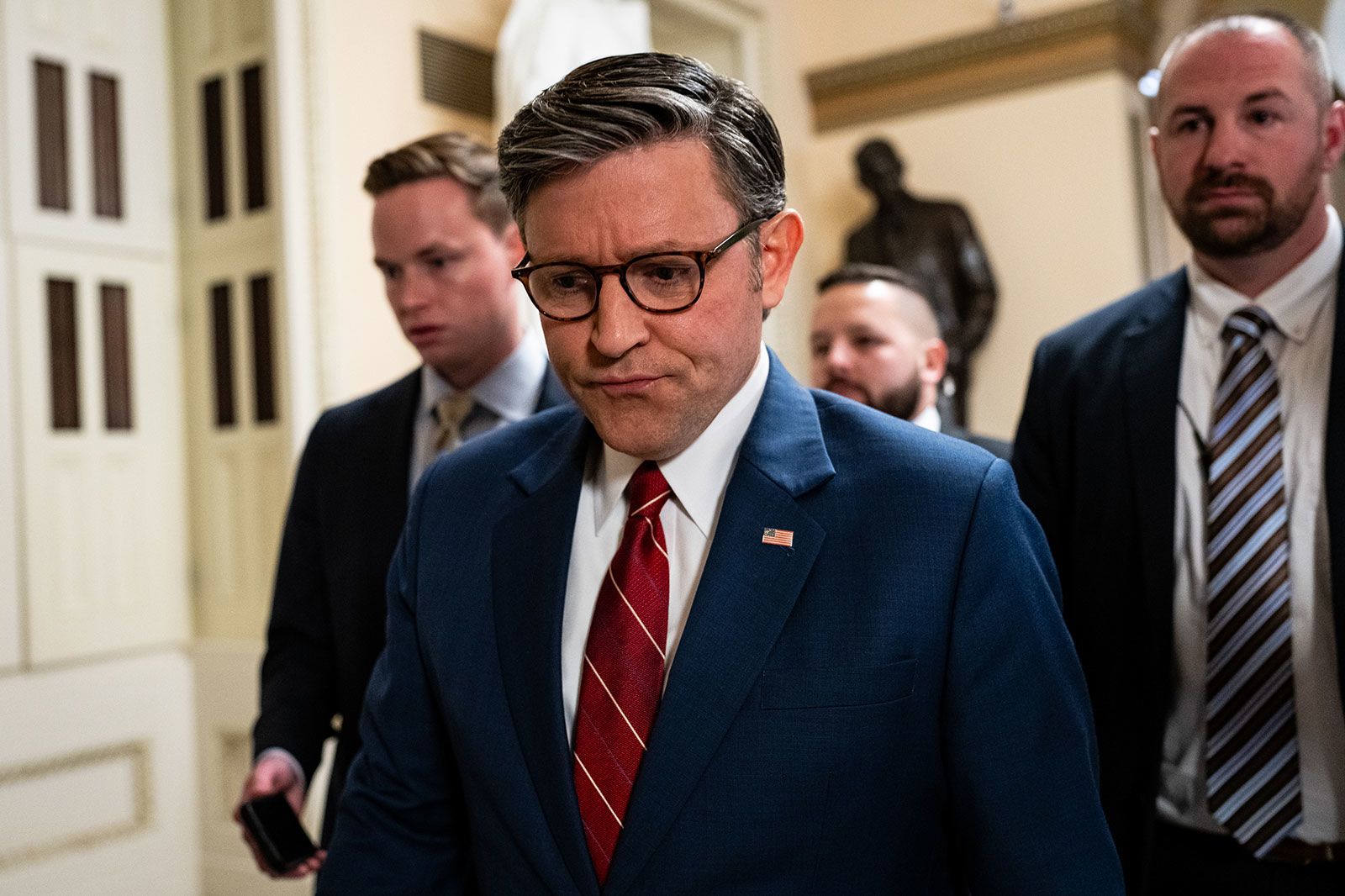
- Defending Speaker Johnson: She would have likely downplayed Speaker Mike Johnson’s record-breaking delay in swearing Grijalva in, dismissing it as a matter of scheduling and proper procedure, despite strong counter-evidence from Democrats.
- The Administration’s Stance: When pressed on the Epstein file release, the White House typically responds by characterizing such stories as “selective leaks” and “bad-faith efforts to distract” from the President’s achievements, as noted in contemporaneous reports. This allows the White House to acknowledge the political story without being drawn into the details of the sensitive judicial and security issues surrounding the files.
3. Defense of Domestic vs. Foreign Policy
Given the highly public criticism from former key ally Rep. Marjorie Taylor Greene (R-GA) that President Trump was spending too much time on foreign affairs (visiting foreign leaders) and not enough time on domestic issues like inflation, Leavitt would have devoted time to defending the President’s priorities.
She would have emphasized the necessity of projecting American strength globally while pointing to a selective list of positive economic indicators to claim the administration is actively “lowering costs for families” and fighting the economic fallout of the previous administration.
Overall, the briefing served its main purpose: to utilize the most effective platform—the White House press room—to control the narrative in the immediate aftermath of a volatile political crisis.