Pratik Kamble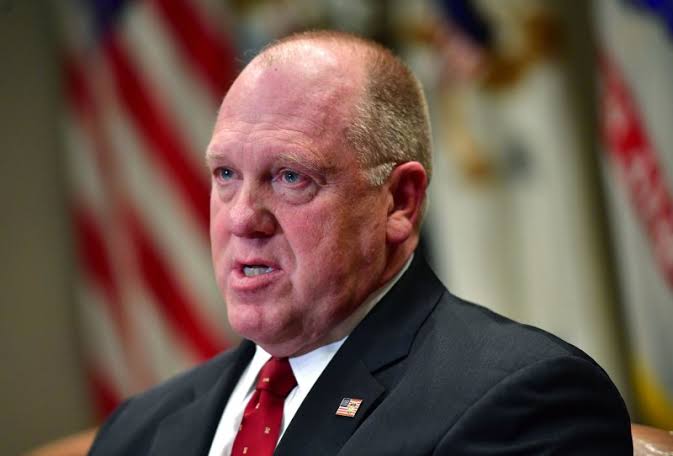
Tom Homan September 2025 Update on U.S. Immigration
Who Is Tom Homan and His Role as Border Czar
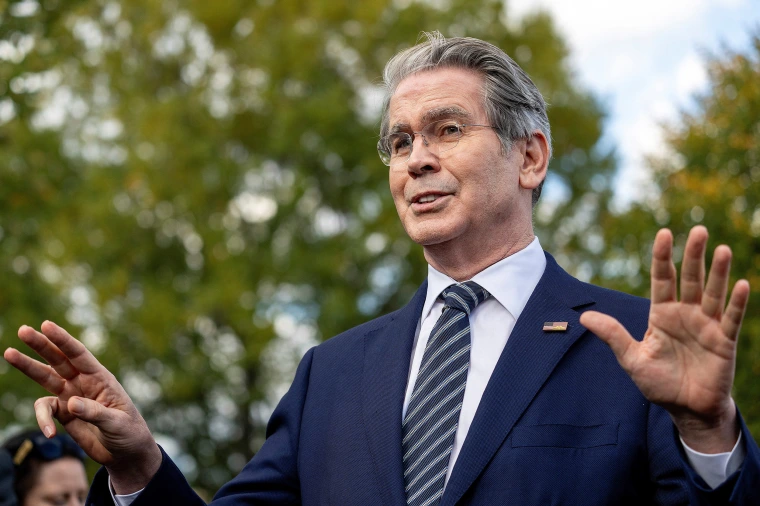
Tom Homan, who is now serving as the Border Czar in the Trump administration, continues to be one of the most outspoken voices on immigration and border security in the United States. His name has been in the headlines in September 2025 because of his sharp defense of stricter enforcement policies, his calls for expanded detention facilities, and his criticism of officials who oppose cooperation with Immigration and Customs Enforcement (ICE). As immigration remains one of the most divisive issues in American politics, Homan’s words and actions are being closely followed by supporters and critics alike.
In his recent statements, Homan strongly defended the role of ICE, explaining that the majority of arrests made by the agency are of individuals with criminal records or direct ties to threats against national security. According to him, weakening ICE or limiting its ability to act would expose American communities to more crime and increase risks at the border. This argument has been at the center of his speeches, and he emphasizes that public safety is the top priority of federal immigration enforcement.
Homan has also pushed back against accusations of racial profiling. He argued that immigration officers follow U.S. laws when questioning individuals and that the process is legal under current immigration regulations. In his view, critics who raise concerns about profiling are misrepresenting how enforcement operations work. He added that constant attacks on ICE agents from politicians and media outlets are creating unnecessary hostility and even danger for those working in the field.
One of the biggest updates coming from Homan in September 2025 is his plan to expand detention capacity. With growing numbers of migrants attempting to enter the United States, he has highlighted the need for new facilities and additional resources to ensure that the system can handle cases properly. He stressed that without more detention space, it becomes difficult to manage deportation orders and immigration hearings in an organized and lawful manner. This expansion plan is expected to draw both support from enforcement advocates and criticism from human rights groups.
Another key issue raised by Homan is his ongoing battle against sanctuary city policies. He has been openly critical of city and state leaders who refuse to cooperate with ICE. In his words, these policies create loopholes that allow dangerous individuals to avoid arrest and put communities at risk. He believes that federal law must be respected and that local officials should not obstruct immigration enforcement. His tough stance on sanctuary cities reflects a broader push by the administration to pressure local governments into closer cooperation with federal authorities.
Homan’s position has made him a polarizing figure in American politics. Supporters argue that he brings discipline, strength, and a no-nonsense approach to a border system that has faced years of strain. They see him as a strong defender of law and order who is willing to make hard decisions to protect the country. Critics, on the other hand, warn that his policies could erode civil rights, overwhelm detention systems, and raise constitutional concerns. Legal experts have also pointed out that aggressive enforcement could lead to lawsuits and court challenges in the months ahead.
As of September 20, 2025, Tom Homan remains at the center of the immigration debate. His push for new detention facilities, his defense of ICE, and his criticism of sanctuary cities signal that border security will continue to be one of the most heavily discussed and contested topics in U.S. politics. With the presidential election cycle beginning to heat up, Homan’s policies and statements are likely to influence national conversations about immigration, security, and civil liberties.
In the coming weeks, it will be important to watch how these policies develop and how communities across the country respond. Tom Homan’s role ensures that the discussion over border enforcement will stay at the forefront of U.S. news, and his leadership shows no signs of slowing down.