Pratik Kamble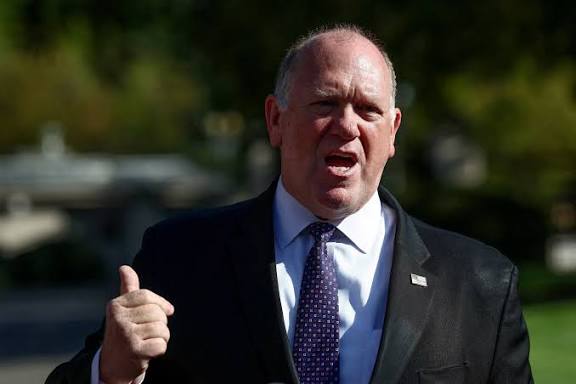
Tom Homan Rejects Bribery Allegations
Former Acting ICE Director Tom Homan has come out strongly to deny allegations that he accepted a $50,000 bribe from undercover FBI agents. The claims surfaced on September 24, 2025, and quickly sparked debate, but Homan addressed the matter directly in an interview with Newsmax, calling the story completely false and part of a larger effort to discredit him. He stressed that he has never engaged in any corrupt activity during his long career in law enforcement and said the accusations were politically motivated attacks meant to silence his voice on immigration and border security issues.
Homan explained that the timing of the allegations was no coincidence. He suggested that opponents of his outspoken stance on immigration enforcement are attempting to destroy his credibility by spreading misinformation. According to him, the accusations are part of a pattern he has seen before, where political figures and public voices who speak strongly on controversial issues are targeted with damaging stories. He argued that his decades of government service, including leading Immigration and Customs Enforcement, demonstrate his integrity and commitment to upholding the law.
In the Newsmax interview, Homan expressed frustration that false stories gain traction so quickly in today’s media environment. He said that while baseless accusations may make headlines, the damage they do to reputations and careers is often lasting, even when proven untrue. He emphasized that people should view these claims with skepticism, pointing out that those who disagree with his policy positions have every incentive to try to silence him. For Homan, this controversy is not just about him personally but about a broader attempt to weaken voices calling for stronger border security.
Homan has been one of the most visible defenders of strict immigration enforcement in the United States. Throughout his career, he has consistently argued for policies aimed at securing the border, deterring illegal immigration, and supporting law enforcement officers working in difficult conditions. Because of his strong positions, he has frequently been a target of criticism from immigration advocates and political opponents. He believes this latest allegation is simply another attempt to discredit his advocacy and diminish his influence in ongoing policy debates.
Despite the controversy, Homan made it clear he will not back down from his public role. He said he remains committed to addressing what he sees as critical national security and public safety challenges. According to him, the allegations will not intimidate him or prevent him from continuing to speak out on immigration, border control, and law enforcement issues. He also underlined that his conscience is clear and that he has nothing to hide, which is why he is willing to confront the accusations head-on rather than avoiding public scrutiny.
As this situation unfolds, Homan’s denial is firm and direct. He views the bribery claims as baseless and dangerous, not only to his own name but to the broader discussion about how immigration policy should be handled in the United States. He warned that if public discourse is dominated by false stories and political attacks, it becomes harder to have honest debates about the real challenges the country faces. For him, this is an example of how misinformation can be weaponized to damage reputations and distract the public from critical issues.
At present, no evidence has been presented publicly to support the claim of a $50,000 bribe, and Homan insists none will ever be found because, in his words, the story is entirely fabricated. He urged the public to focus on the facts and his record of service rather than rumors designed to weaken his credibility. For Homan, the fight is as much about protecting his reputation as it is about ensuring the public remains focused on national security and immigration challenges, which he continues to view as urgent and unresolved.
Would you like me to expand this further into a very detailed 800–1000 word blog-style piece with more background on Homan’s career and the political context, so it feels like a full-length article?