Pratik Kamble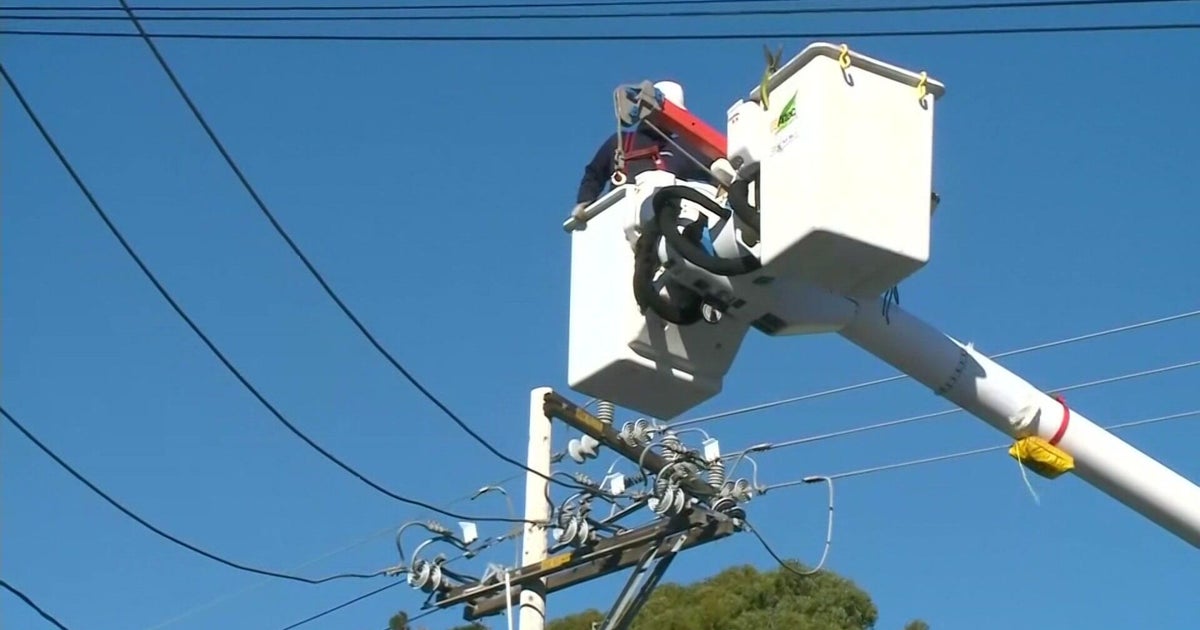
PG&E Power Outages Leave Thousands Without Electricity in California on September 11, 2025
Pacific Gas and Electric Company, better known as PG&E, continues to face challenges as parts of California experienced another round of power outages on September 11, 2025. These outages once again highlight the difficulties of maintaining reliable electricity in a state that deals with a mix of aging infrastructure, extreme weather, and complex geography. Thousands of customers were left without electricity during the afternoon and evening hours, and crews were called out quickly to find the cause and work on restoring power.
One of the larger outages happened in Shasta County, where more than ten thousand customers were affected. Lights, appliances, and entire neighborhoods went dark around mid-afternoon. For residents, the outage lasted several hours, with some homes not expecting service to return until after midnight. PG&E reported that the outage began between 2:15 p.m. and 4:20 p.m., which meant many households had to adapt without notice. In areas where summer temperatures still run high, losing power can become more than just an inconvenience. Refrigerators shut down, fans and air conditioners stop, and people are left searching for ways to stay comfortable and safe.
In Contra Costa County, another outage hit the Richmond area and affected more than three thousand customers. This event was unusual because the direct cause was linked to light drizzle in the region. After long dry spells, power lines can collect dirt, dust, and even salt particles from the air. When moisture suddenly appears, even in the form of light drizzle, those particles can mix into a thin film of conductive material. That mixture can lead to short circuits or equipment damage, which was the case in Richmond. Although drizzle is not something most people associate with large power failures, it is a reminder of how sensitive electrical systems can be when environmental conditions combine with existing wear and tear on infrastructure.
For PG&E customers, outages like these can be frustrating. Families often have to deal with spoiled groceries, lost work time if they rely on home computers, or the difficulty of caring for children and older relatives without access to normal household electricity. Small businesses also face problems, as restaurants, grocery stores, and shops lose sales and sometimes suffer product losses when refrigeration and lighting are down. Many residents in California now keep backup generators, battery packs, or solar storage systems for emergencies, but not everyone has that option.
PG&E maintains an online Outage Center that provides maps and estimated restoration times. On September 11, many people checked those updates frequently to see when power might return. Some customers were given restoration times as early as 6:45 p.m., while others had to wait until after midnight. These estimates help households plan, but they are not always accurate because crews often discover more damage once they arrive on site. Power lines, transformers, and other equipment can fail in ways that take longer to fix than originally expected.
In recent years, PG&E has been under close watch from regulators, lawmakers, and the public because of its history with outages and wildfire risks. The company has faced lawsuits and restructuring after equipment was linked to several major fires. As a result, every new outage attracts attention and concern. People want to know whether the grid is being upgraded fast enough and whether the company is doing enough to prevent disruptions that can quickly turn into emergencies.
The September 11 outages also come at a time when California is trying to modernize its power system to handle renewable energy, climate challenges, and population growth. PG&E has promised billions of dollars in upgrades, including putting more power lines underground, replacing older equipment, and expanding grid monitoring. Still, progress takes years, and in the meantime, outages like the ones in Shasta and Contra Costa counties remind people of the fragility of the system.
For the thousands of households affected, the return of power later in the night brought relief, but the memory of several hours without electricity lingers. For many Californians, power outages are no longer rare events but part of life during fire season, storms, or unexpected equipment failures. Each time they happen, it raises the same questions: how quickly can PG&E restore power, and how soon will the state see a more reliable and resilient grid?
The September 11 events showed once again that even light drizzle or a single equipment fault can disrupt electricity for thousands. Until long-term improvements are complete, residents are encouraged to stay prepared with flashlights, stored food, backup charging devices, and emergency plans. For now, Californians continue to adjust, hoping that PG&E’s promised investments will eventually mean fewer outages and safer communities in the future.