Pratik Kamble
John Curtis on Government Shutdown and Trump’s Gaza Peace Efforts
On Saturday’s “America Right Now,” Utah Senator John Curtis shared his thoughts on the government shutdown and President Donald Trump’s peace efforts in Gaza. His tone was balanced—cautious yet hopeful—offering insight into how lawmakers are navigating both domestic and international challenges. Curtis emphasized that while partisan divisions persist, compromise is still possible if both sides remain focused on solutions.
Current Status of the Government Shutdown
The U.S. <a
href=”https://en.m.wikipedia.org/wiki/John_Curtis”>government shutdown has left thousands of federal employees uncertain about pay and operations. Speaking on Newsmax, Senator John Curtis acknowledged the frustration felt across the country but said he believes an agreement could be reached soon.
He highlighted ongoing discussions within Congress, suggesting that even small steps toward consensus could help reopen key departments. Curtis noted that both Republicans and Democrats must recognize the real-world consequences of extended gridlock, such as delayed services and financial strain on American families.
John Curtis’s Perspective on Bipartisan Cooperation
During the interview, Curtis urged both parties to move past the political noise and focus on practical governance. He said, “We can disagree, but we must not let those disagreements hurt the people who depend on us.”
His comments reflect a growing sentiment in Washington that extreme partisanship is undermining progress. By emphasizing dialogue and mutual respect, Curtis positioned himself as a moderate voice at a time of heightened polarization.
He also pointed out that many of his colleagues privately agree on several key funding priorities but hesitate to act publicly for fear of political backlash.
Trump’s Peace Efforts in Gaza
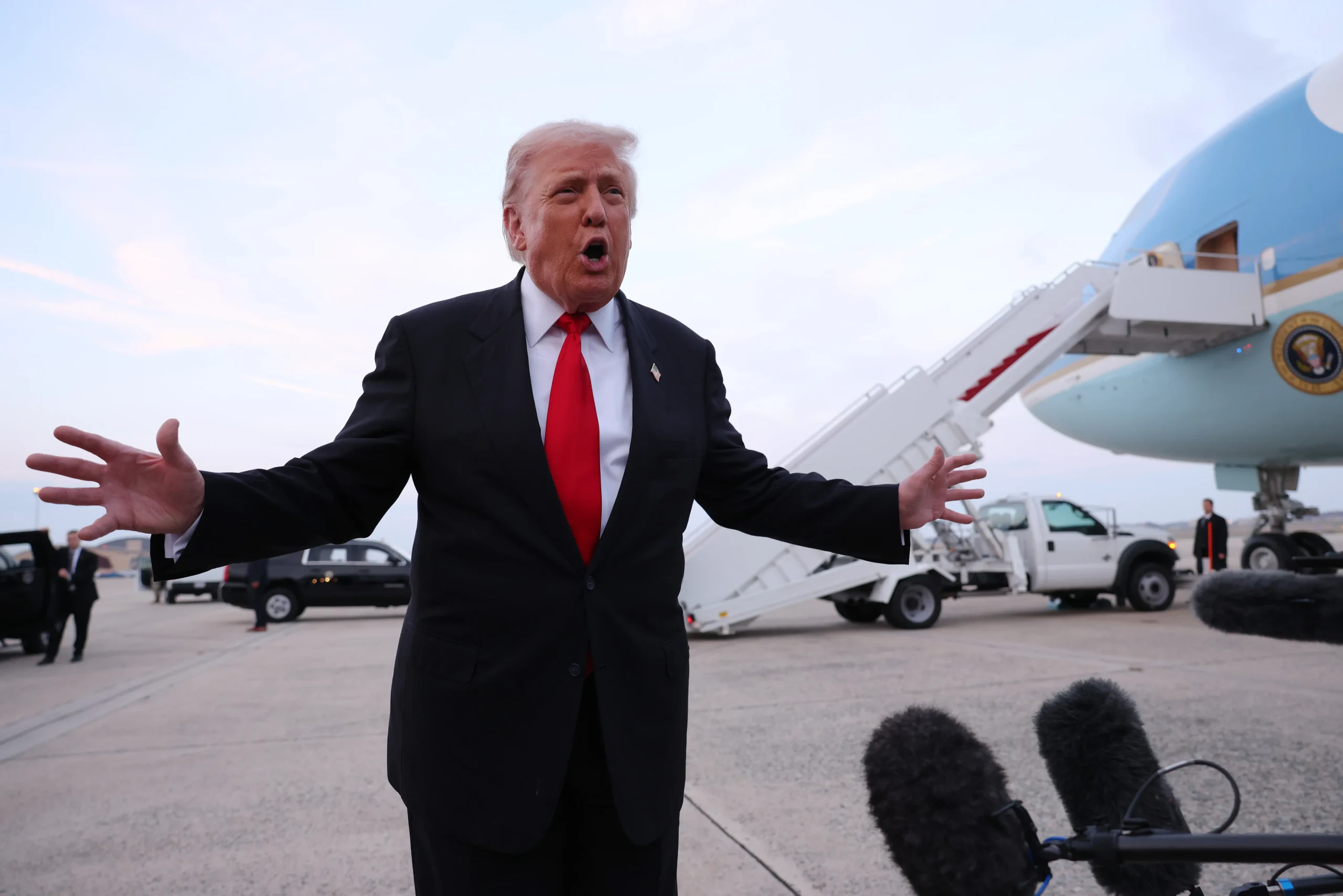
Beyond domestic issues, Curtis spoke about President Trump’s peace initiatives in Gaza, expressing “cautious optimism” that negotiations could create long-term stability. He credited Trump’s administration for trying to engage multiple regional actors, though he admitted that achieving sustainable peace in the Middle East remains complex.
Curtis praised the administration’s willingness to involve both Israeli and Palestinian leaders in renewed dialogue, noting that peace “requires patience, persistence, and honest conversation.”
According to Curtis, even small breakthroughs could help ease regional tensions and signal America’s continued role in international diplomacy.
The Connection Between Domestic Stability and Foreign Policy
Curtis made an important point linking domestic governance to global credibility. He argued that resolving the government shutdown would strengthen America’s position abroad, including its peace initiatives in volatile regions like Gaza.
“When we can’t govern ourselves,” he said, “it becomes harder to lead others.” His remarks suggest that political unity at home can serve as a foundation for effective foreign policy.
This perspective aligns with many analysts who believe that consistent leadership and financial stability give the U.S. more leverage in international negotiations.