Pratik Kamble
US Truck Import Tariffs: 25% Tariff on Medium & Heavy Trucks
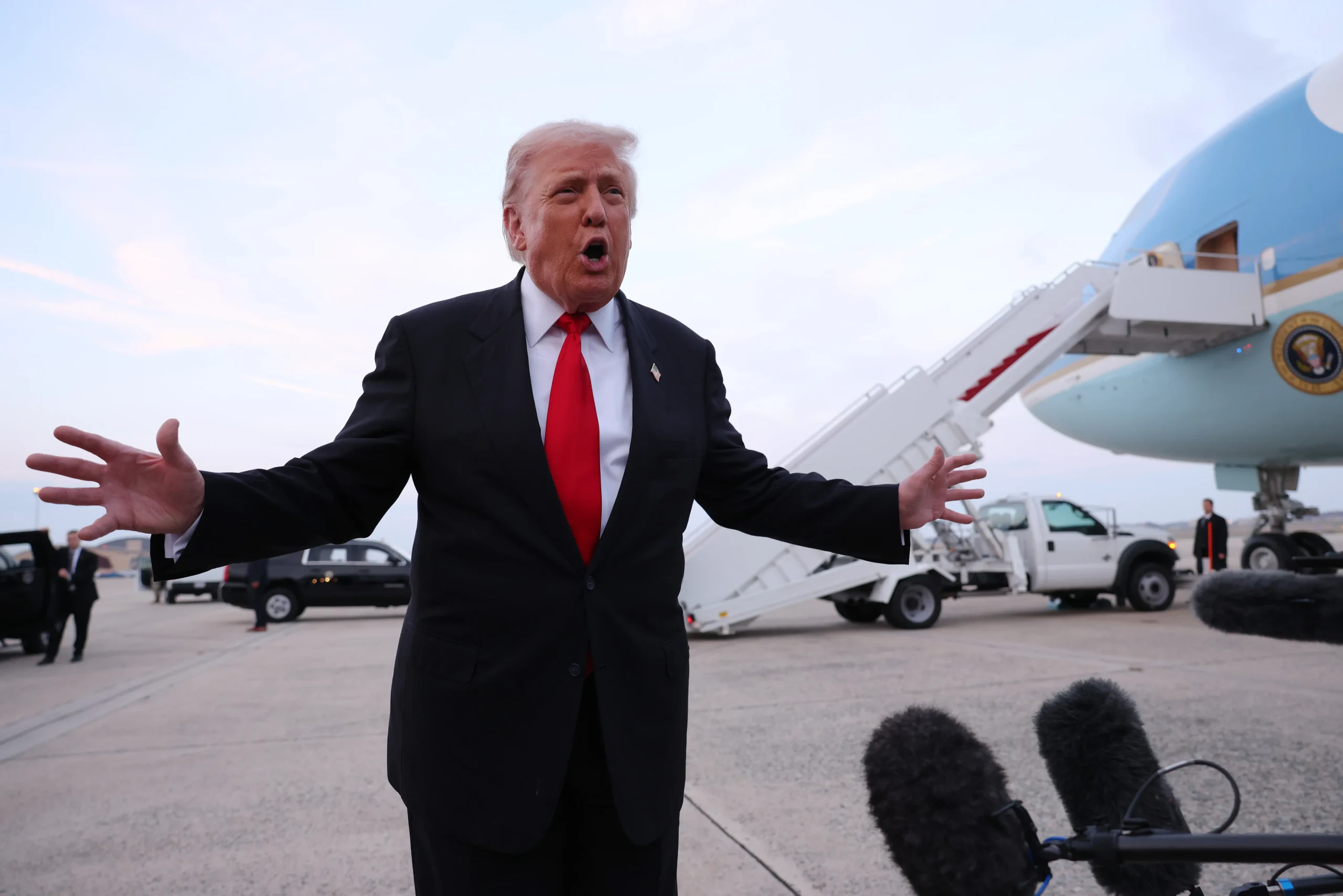
President Donald Trump announced a major policy change on Monday, stating that all medium- and heavy-duty trucks imported into the U.S. will face a 25% tariff starting November 1. This move marks a significant step in protecting U.S. companies from foreign competition and strengthening domestic manufacturing.
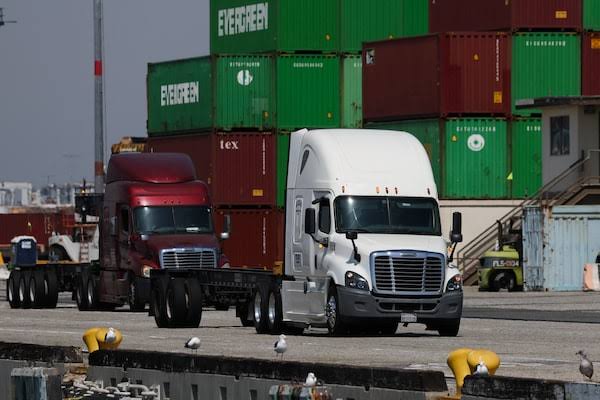
The new tariff policy is expected to affect truck manufacturers worldwide, including leading exporters from Europe, Japan, and Mexico. Companies importing these vehicles will likely face higher costs, which may be passed on to consumers.
Why the US Truck Import Tariffs Matter
The decision to impose US truck import tariffs reflects the current administration’s broader strategy to prioritize American industries. By making imported trucks more expensive, the government aims to:
1.Encourage domestic manufacturing of trucks and parts
2.Reduce <a
href=”https://www.moneycontrol.com/automobile/trump-s-latest-tariff-on-heavy-truck-imports-may-put-pressure-on-european-manufacturers-article-13600881.html”>reliance on foreign suppliers
3.Boost employment in the U.S. automotive sector
Industry experts warn, however, that while tariffs protect domestic businesses, they may also lead to higher prices for consumers and increased production costs for companies that rely on imported trucks.
Impact on American Companies
Domestic truck manufacturers like Volvo, Freightliner, and PACCAR may see a rise in demand due to the tariffs, as imported trucks become less competitive. At the same time, logistics companies and transport operators could face increased operational costs.
The tariff could also trigger retaliatory measures from foreign governments, which may target U.S. exports in response. Trade analysts suggest that businesses prepare for potential supply chain disruptions and price fluctuations.
International Response to US Truck Import Tariffs
Countries affected by the new US truck import tariffs are closely monitoring the situation. Some exporters may seek legal action through international trade organizations, while others could adjust their pricing strategies to remain competitive.
Additionally, the tariffs may influence negotiations on other trade deals. Experts highlight that such measures could reshape the global trucking market and redefine trade relationships between the U.S. and its partners.
What This Means for Consumers
Consumers might experience an increase in truck prices in the coming months. Transportation costs for goods may rise, potentially impacting the price of various products. <a
href=”https://stopoftimes.com/trump-jack-smith-news/”>Businesses that rely on importing heavy-duty trucks should strategize early to mitigate financial risks.
Moreover, domestic manufacturers could benefit from increased demand, which may also accelerate innovations in truck technology and efficiency.