Pratik Kamble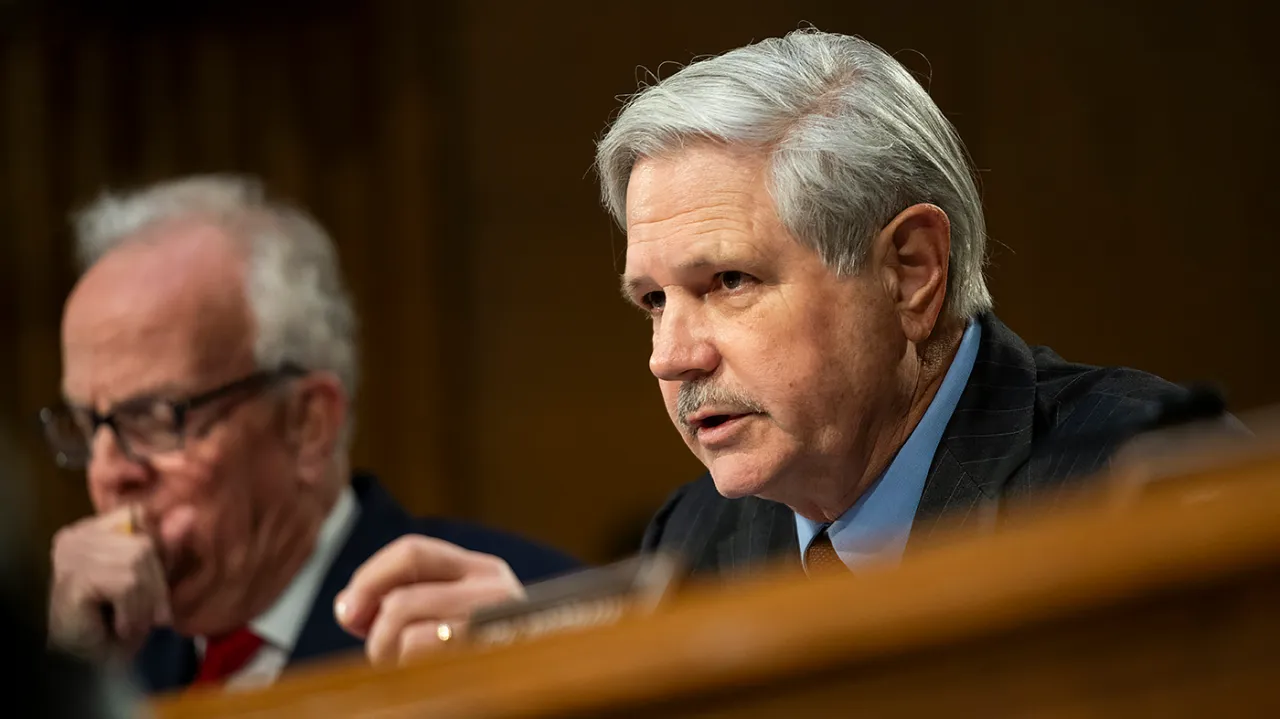
Government Shutdown Crisis Deepens
The ongoing government shutdown continues to paralyze key federal services across the United States. Thousands of federal employees remain furloughed or are working without pay, while essential government programs are under immense strain. Airports, national parks, and various federal departments are experiencing disruptions, adding to growing frustration among American citizens.
The government shutdown, which has now extended for several weeks, began after a deadlock in Congress over funding legislation. Lawmakers have failed to reach an agreement on spending priorities, leading to the closure of several government operations and leaving millions uncertain about when relief might come.
Sen. John Hoeven’s Remark on Democrats Crossing Party Lines
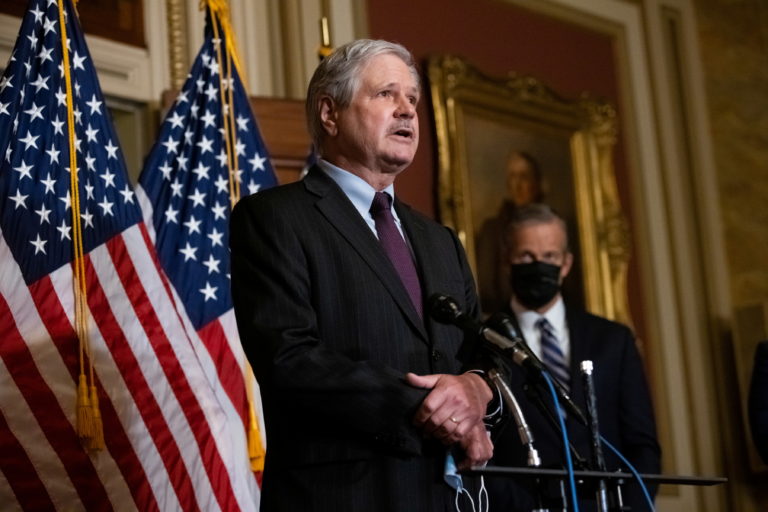
Senator John Hoeven, a Republican from North Dakota, has stated that some Democrats may be prepared to cross party lines in an effort to reopen the government. According to Hoeven, rising pressure from federal employees, families, and the broader public could push a handful of Democratic lawmakers toward supporting a bipartisan resolution.
Hoeven emphasized that while both sides have remained firm in their positions, the strain of the government shutdown on everyday Americans is becoming impossible to ignore. Workers missing paychecks and families struggling with halted benefits have created an atmosphere of urgency on Capitol Hill.
He noted that “as the pressure continues to build, some Democrats may join Republicans to move forward and end this shutdown.”
What makes Hoeven’s comment notable is that no other major news outlet has yet reported extensively on his statement. His words stand out amid the limited public communication from lawmakers directly involved in the ongoing negotiations.
Impact on Federal Workers and Families
The government shutdown has had a profound effect on hundreds of thousands of Americans. Federal employees have missed multiple pay periods, forcing many to rely on savings, credit, or community assistance. Small businesses that depend on federal contracts are facing losses, while government-funded programs that serve low-income families are being delayed or suspended.
In several states, protests have emerged as workers demand immediate action from Congress and the White House. Many public servants have shared personal stories of hardship, amplifying the political pressure on both parties to reach a deal.
Economists warn that the longer the government shutdown continues, the greater its impact will be on the national economy. Consumer confidence is slipping, and delays in federal spending are beginning to affect sectors ranging from construction to agriculture.
Political Tensions and Potential Shifts
Inside Washington, tensions remain high. Democratic leaders insist that any reopening of the government must include clear budget priorities, while Republicans push for a streamlined spending plan. Amid the stalemate, Sen. Hoeven’s statement suggests that some moderate Democrats may be reconsidering their stance to bring relief to the nation.
Political analysts view this as a possible turning point. If even a few members from across the aisle vote for a temporary funding measure, it could end the gridlock and restore partial government operations.
For now, the government shutdown remains one of the most pressing political issues in the country, testing the resolve of lawmakers and the patience of the American public alike.