Pratik Kamble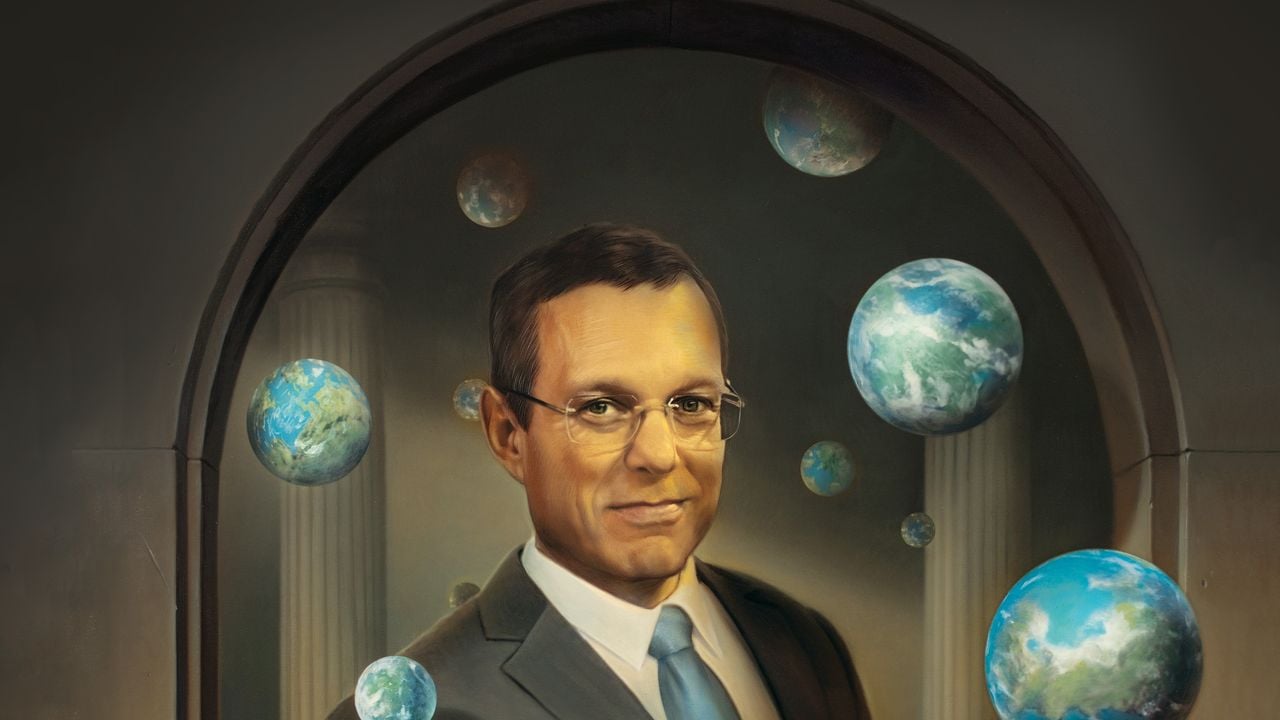
Dr. Avi Loeb Discusses NASA’s Delay in Releasing Mysterious Sun Object Images
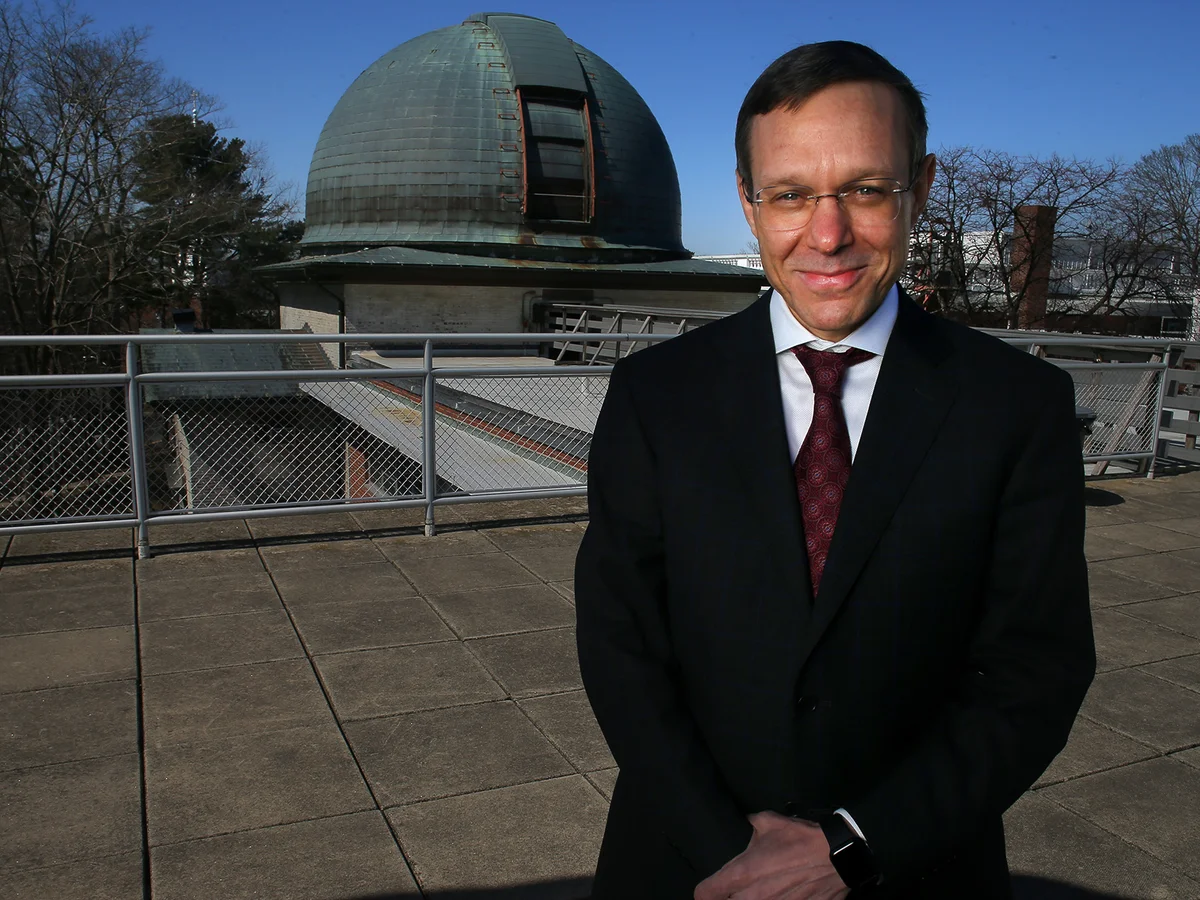
On Friday’s episode of “Finnerty,” renowned astrophysicist Dr. Avi Loeb discussed the growing curiosity surrounding NASA’s delay in releasing images of a mysterious object spotted near the sun. The discussion has reignited debates in the scientific community and among UFO enthusiasts about the possibility of extraterrestrial technology in our solar system.
Loeb, a Harvard professor known for his groundbreaking research on Oumuamua, the first known interstellar object, suggested that NASA’s hesitation to release the data could indicate something unusual or significant about the sighting.
NASA’s Delay Raises Questions
According to Loeb, the images were captured by NASA’s Solar and Heliospheric Observatory (SOHO) and Parker Solar Probe, which frequently monitor solar activity. However, reports indicate that NASA postponed releasing specific visual data, citing the need for additional analysis.
While NASA officials have not provided a detailed explanation for the delay, Loeb stated that transparency is essential when dealing with publicly funded space research.
“If NASA has evidence of something extraordinary, they owe it to the public to share the data promptly,” Loeb said on the show.
He noted that such delays often fuel speculation about cover-ups or extraterrestrial involvement, especially when related to anomalies near the sun — a region known for producing strange visual phenomena due to intense light and radiation.
Is It a Mothership? Dr. Loeb Weighs In
During his conversation with host Finnerty, Dr. Loeb addressed one of the most intriguing theories circulating online — that the object could be a mothership or technological craft of non-human origin.
While Loeb clarified that there’s no direct evidence of alien activity, he emphasized that the scientific method requires open investigation rather than dismissal.
“The idea of a mothership isn’t science fiction anymore,” Loeb explained. “Given our expanding understanding of interstellar travel, it’s worth considering whether certain unidentified objects could be artificial in nature.”
He drew parallels to his recent work with the Galileo Project, a research initiative aimed at studying unidentified aerial phenomena (UAPs) using scientific data collection and verification methods.
Scientific Community Reacts
The segment on “Finnerty” quickly gained attention across science and technology forums. Some scientists supported Loeb’s call for greater data transparency, while others urged caution against overinterpreting incomplete information.
NASA has previously dismissed similar claims, attributing strange space images to optical artifacts, cosmic rays, or data compression errors. Still, Loeb insists that every anomaly deserves careful examination.
“Skepticism is healthy,” he said, “but so is curiosity. We can’t understand the universe by ignoring what we can’t yet explain.”