Pratik Kamble
Global Companies Voice Growing Concerns Over the U.S.-China Trade War
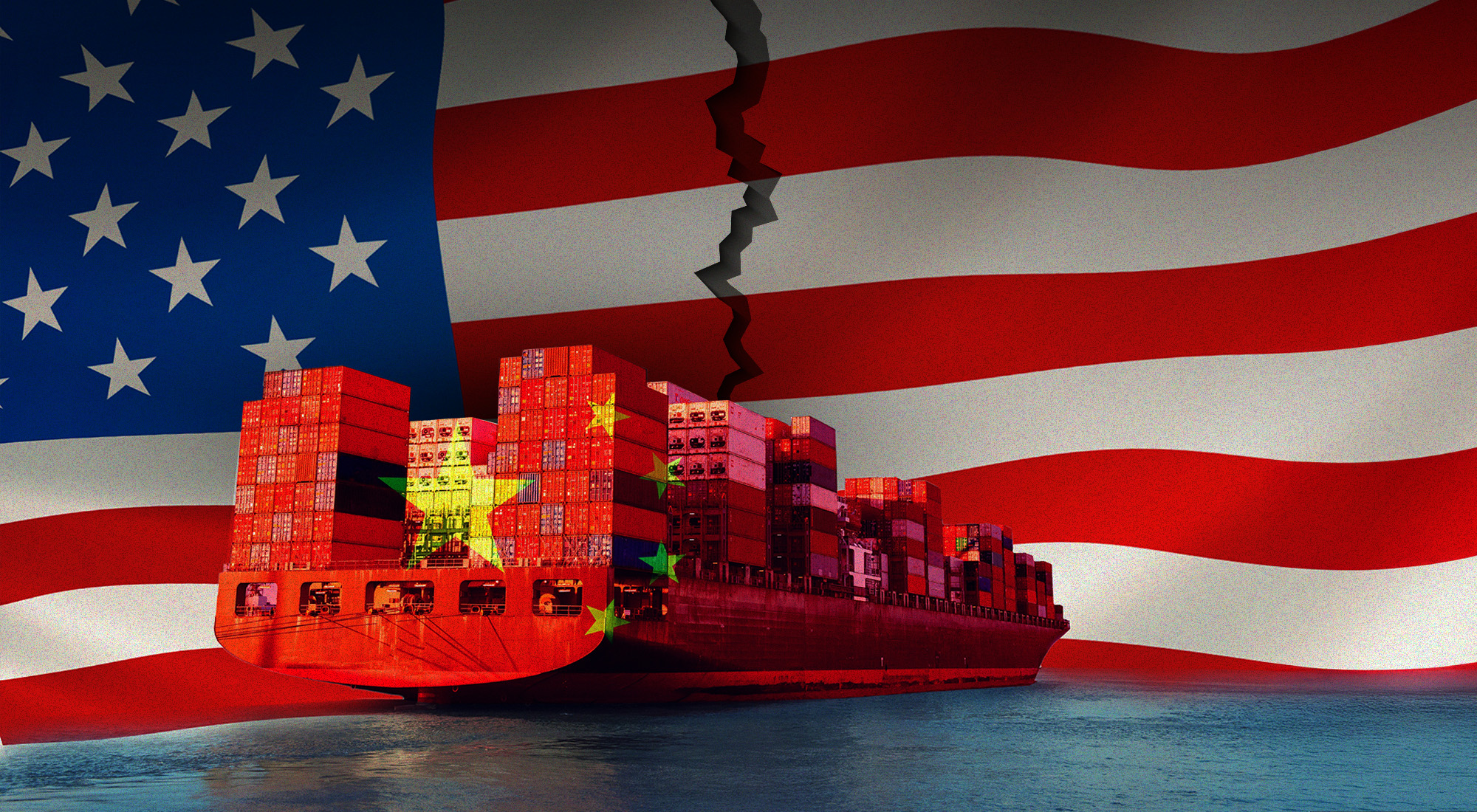
The U.S.-China trade war has become one of the most pressing global economic challenges of the decade. As tensions escalate between the two largest economies, multinational corporations across industries — from technology to manufacturing — are raising alarms about disrupted supply chains, higher production costs, and long-term uncertainty.
Executives say the ripple effects of the U.S.-China trade war extend far beyond tariffs. They point to inflationary pressures, shifting trade alliances, and a deepening divide in global technology standards.
“No matter where a company is based, the trade war has changed how we operate and plan for the future,” said one senior executive at a Fortune 500 manufacturing firm.
Impact of the U.S.-China Trade War on Global Supply Chains
One of the biggest casualties of the U.S.-China trade war has been global supply chain stability. For years, China served as the world’s manufacturing hub, but increasing tariffs have forced many companies to diversify production to Southeast Asia, India, and Mexico.
While some firms have benefited from the shift, most are struggling with higher costs and operational inefficiencies. Global manufacturers like Apple, Samsung, and General Motors have had to rethink their logistics, raw material sourcing, and production timelines.
According to the World Bank, the cost of goods traded between the U.S. and China increased by more than 15% since 2019, primarily due to tariffs and restricted access to Chinese components.
Technology Firms Hit Hard by the U.S.-China Trade War
The U.S.-China trade war has also reshaped the global technology sector. The U.S. has placed export controls on critical technologies, including semiconductors, 5G equipment, and AI chips.
This has affected giants like Huawei, Intel, and Nvidia, forcing them to navigate complex licensing and compliance frameworks. In response, China has accelerated efforts to develop its own domestic semiconductor industry, aiming to reduce reliance on U.S. technology within the next five years.
“Tech companies are now living in a world where geopolitics dictate innovation,” said tech analyst Priya Desai from Global Data Research.
Financial Markets React to the U.S.-China Trade War
Investors worldwide are closely monitoring how the U.S.-China trade war affects financial markets. Stock indices in both countries have experienced volatility as new tariffs are announced or lifted.
Currency fluctuations between the U.S. dollar and Chinese yuan have added another layer of complexity for global investors, who now hedge against unpredictable trade policies. Analysts predict that the uncertainty could reduce global GDP growth by 0.7% annually if the conflict continues without resolution.
Global Companies Urge Diplomacy and Stability
Business leaders are increasingly urging both Washington and Beijing to find a diplomatic resolution. Organizations such as the World Economic Forum and International Chamber of Commerce (ICC) have warned that prolonged economic warfare could hurt innovation, consumer spending, and global employment.
Many companies are investing in localization strategies — producing goods closer to target markets — to minimize exposure to geopolitical risk. However, this shift often increases costs for consumers and slows down global trade.
“We can’t keep adjusting strategies every few months,” said a European auto executive. “We need long-term clarity on trade policy.”