Pratik Kamble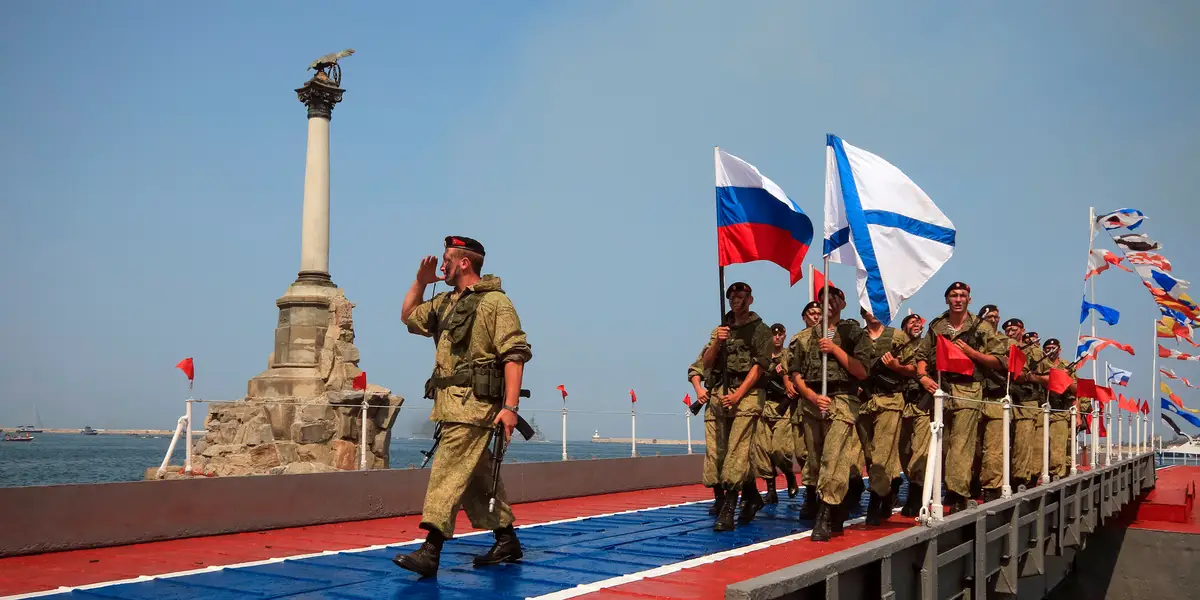
Russian Lawmaker Proposes Nuclear Missile Deployment in Cuba and Venezuela
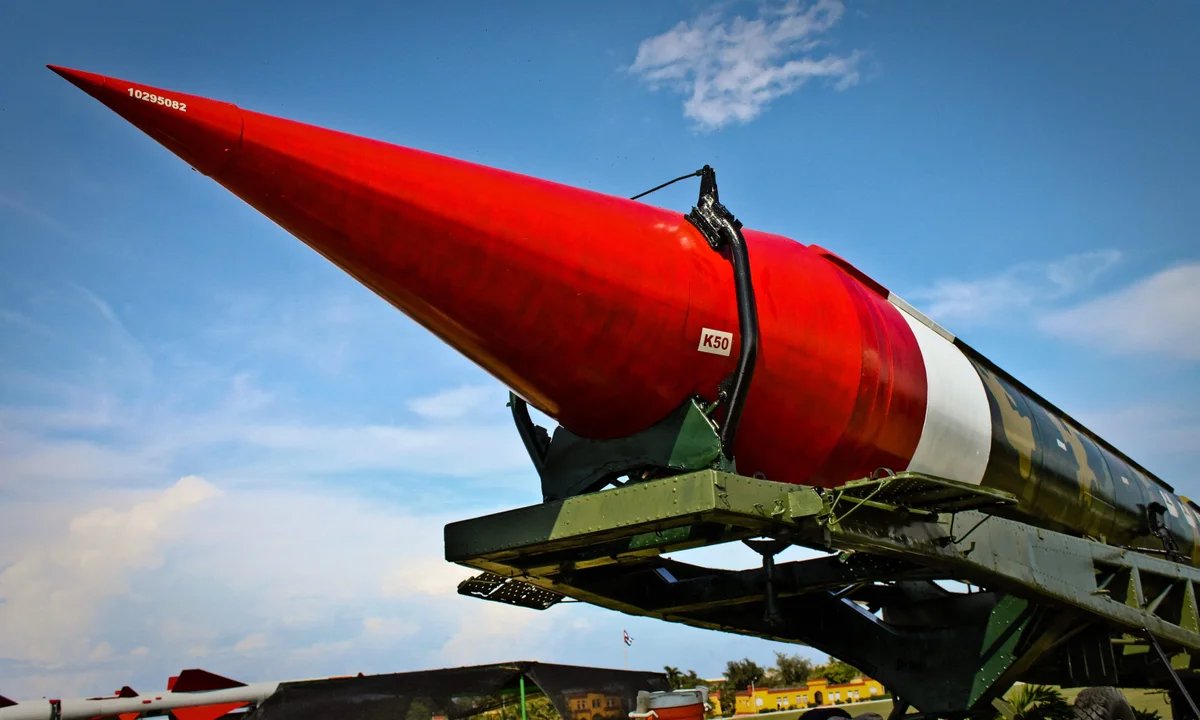
In a move that has reignited Cold War-era fears, a Russian lawmaker has proposed that Moscow deploy nuclear-capable missiles to Cuba and Venezuela, citing the United States as a “hostile nation.”
The statement comes amid escalating geopolitical tensions between Russia and the United States, as both sides continue to clash over issues ranging from Ukraine and NATO expansion to economic sanctions and defense cooperation in Latin America.
The suggestion has drawn global attention, with analysts warning that such rhetoric could deepen the standoff between the two nuclear powers.
A Chilling Reminder of the Cold War
The lawmaker’s remarks evoke memories of the 1962 Cuban Missile Crisis, one of the most dangerous confrontations in modern history.
During that period, the Soviet Union’s attempt to station nuclear missiles in Cuba brought the world to the brink of nuclear war with the United States.
Now, more than six decades later, the idea of deploying Russian nuclear missiles in Cuba and Venezuela has resurfaced — a sign of Moscow’s growing frustration with what it perceives as Western aggression.
“If the United States continues to arm Ukraine and encircle Russia with NATO bases, Moscow should consider responding symmetrically — by placing missiles in America’s own backyard,” the lawmaker reportedly said.
Moscow’s Growing Influence in Latin America
Russia has been steadily increasing its diplomatic and military ties with several Latin American nations, including Cuba, Venezuela, and Nicaragua.
Joint military drills, defense agreements, and energy collaborations have strengthened Moscow’s foothold in the region — traditionally seen as within Washington’s sphere of influence.
Venezuelan President Nicolás Maduro has previously welcomed Russian military cooperation, while Cuba continues to maintain strategic ties with Moscow dating back to the Soviet era.
If the Kremlin were to act on this proposal, it would mark the most significant escalation in U.S.-Russia relations since the end of the Cold War.
U.S. Response and Global Reaction
As of now, Washington has not issued an official response to the lawmaker’s comments.
However, U.S. defense officials and analysts are closely monitoring the situation, especially given Russia’s history of using strategic posturing to send political messages.
Experts warn that even symbolic threats of Russian nuclear missiles in Cuba and Venezuela could further destabilize global security.
“This kind of rhetoric is dangerous — it risks miscalculation and increases global anxiety,” said a senior fellow at the Atlantic Council.
Meanwhile, NATO allies are likely to interpret the statement as another sign of Moscow’s attempt to reassert power beyond Europe, particularly as Russia seeks new partners amid its isolation from Western economies.
What This Means for Global Security
If the proposal ever moved beyond rhetoric, it would represent a major strategic shift.
Deploying nuclear-capable weapons near U.S. territory would violate multiple arms control agreements and reignite nuclear deterrence debates that have largely been dormant since the late 20th century.
Observers believe the statement is more of a political warning than an actionable military plan, aimed at pressuring Washington and signaling that Russia still has global reach.
Still, the timing — amid ongoing conflicts, sanctions, and global instability — adds a layer of tension to an already fragile world order.