Pratik Kamble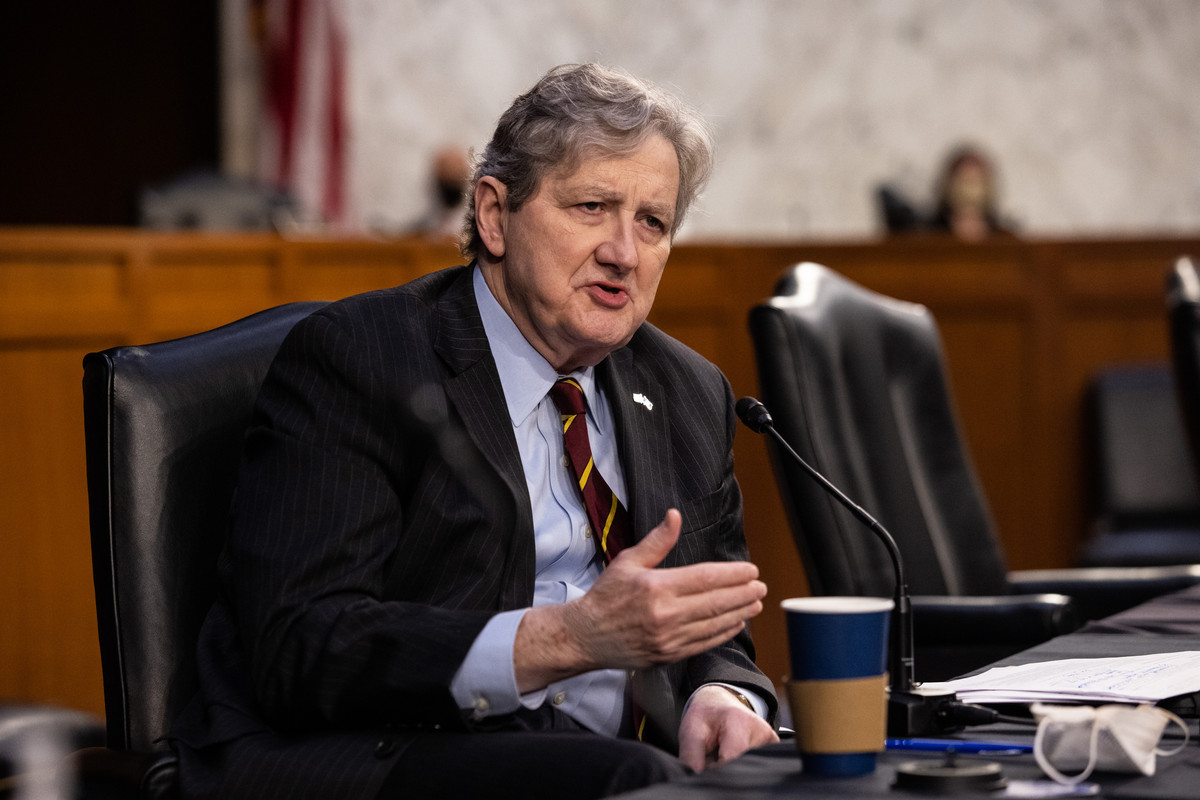
Sen. John Kennedy FDIC Nominee Vote Blocked Over Misconduct Concerns
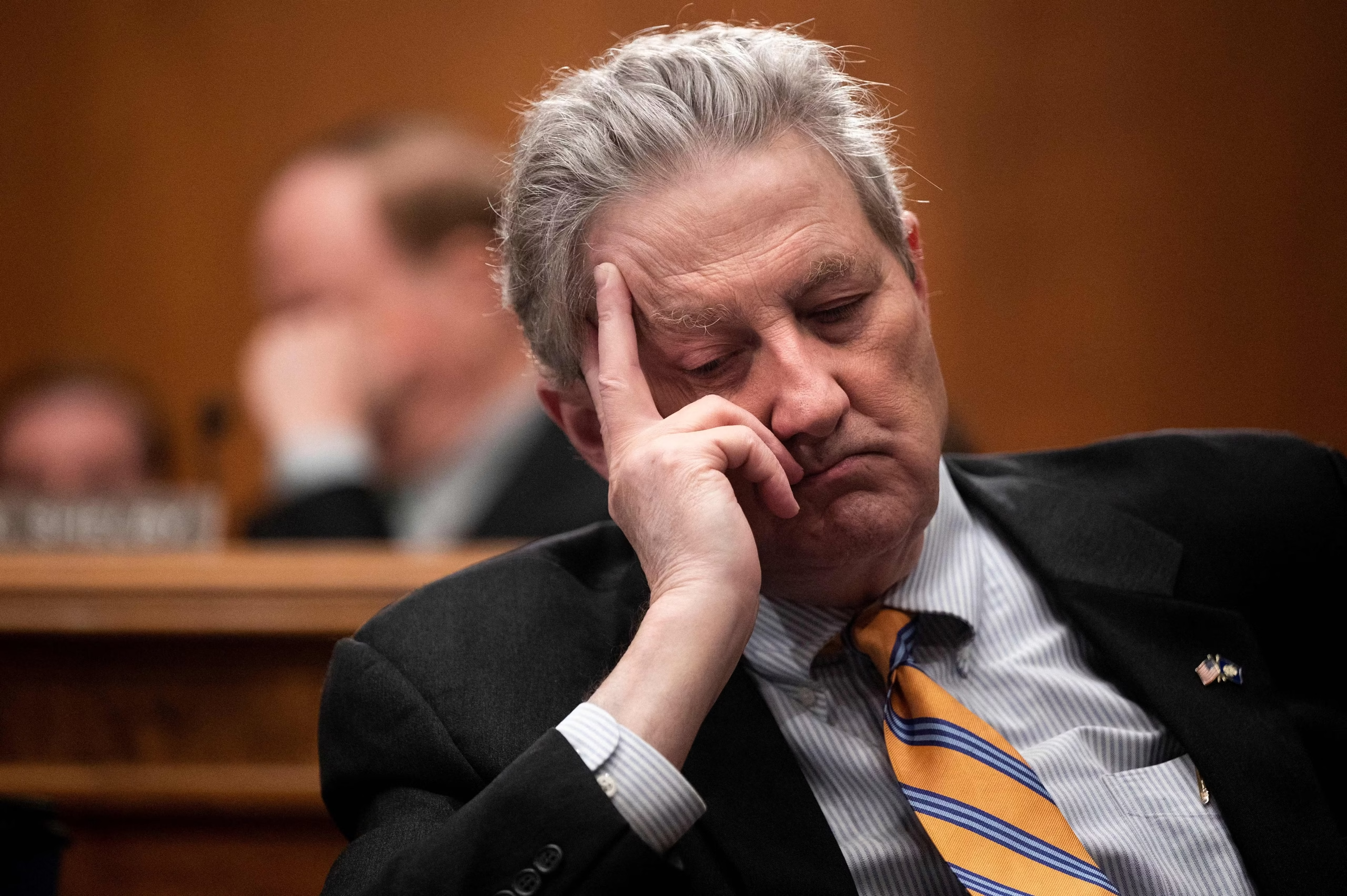
In a sharp move that underscores growing scrutiny of federal agencies, Sen. John Kennedy announced on Thursday that he will withhold his vote for President Donald Trump’s nominee to lead the Federal Deposit Insurance Corporation (FDIC).
The Louisiana Republican cited the FDIC’s failure to adequately address widespread workplace misconduct, saying that he would not proceed without a full, transparent accounting of how the agency has handled complaints and cultural reform.
Kennedy Demands Accountability Before Confirmation Vote
Kennedy, known for his outspoken stance on government accountability, said that the FDIC owes Congress and the public a detailed explanation before any new leadership is approved.
“I will not vote for any nominee until the FDIC provides a comprehensive report on how it has dealt with harassment and misconduct inside the agency,” Kennedy stated during a Thursday briefing.
The senator emphasized that workplace culture within a federal agency entrusted with safeguarding Americans’ bank deposits must be beyond reproach. His move effectively stalls the confirmation of Trump’s nominee until these transparency demands are met.
Background: Misconduct Allegations Inside the FDIC
The FDIC has faced increasing criticism following a series of investigative reports alleging a toxic workplace environment, including cases of sexual harassment, discrimination, and managerial misconduct.
Employees claimed that the agency’s leadership failed to act swiftly or fairly when complaints were raised — a charge that has drawn bipartisan concern in Congress.
Kennedy’s decision to block the nomination reflects a growing consensus that federal accountability reforms must accompany new leadership appointments.
“The FDIC protects America’s financial stability. That responsibility demands not just technical competence, but moral integrity,” Kennedy remarked.
Political and Policy Implications
By withholding his vote, Sen. Kennedy adds pressure not only on the FDIC but also on the White House to address federal workplace culture issues more broadly.
The move could delay critical leadership changes within the agency, potentially impacting banking oversight, deposit insurance policy, and the FDIC’s response to recent economic pressures.
Observers note that Kennedy’s stand may influence other senators to follow suit, particularly those concerned with public trust in financial regulatory bodies.
Political analysts suggest that the decision could also reshape the confirmation strategy for upcoming federal appointments under Trump’s administration.
What Happens Next for the FDIC Nominee
The FDIC nominee — whose name has not been officially withdrawn — now faces an uncertain path forward in the Senate confirmation process.
Unless the agency provides a transparent report on internal misconduct investigations and reforms, Kennedy’s opposition could stall the nomination indefinitely.
The FDIC has reportedly initiated internal reviews to address the allegations and restore workplace integrity. However, lawmakers insist on independent oversight to ensure accountability.
“We cannot restore public confidence if the agency refuses to hold itself accountable,” one Senate aide said anonymously.
A Push for Integrity in Financial Oversight
Kennedy’s stance has been met with both praise and criticism. Supporters see it as a principled stand for ethics and transparency, while opponents argue that it could delay vital regulatory leadership amid an uncertain economic climate.
Nevertheless, his message is clear — integrity comes before confirmation.
By demanding accountability from one of the nation’s most critical financial agencies, Sen. John Kennedy has positioned himself as a leading voice for reform in federal institutions.