Pratik Kamble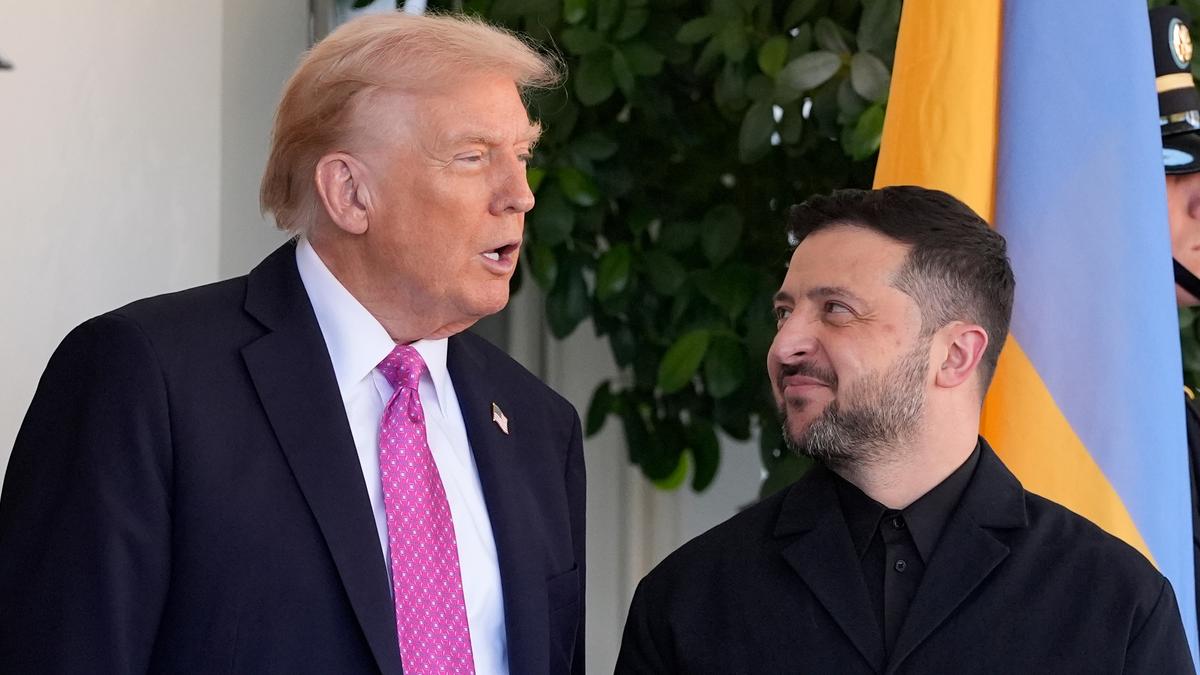
Trump Ukraine Tomahawk Missile Deal Put on Hold
In a major foreign-policy update, President Donald Trump announced on Sunday that he is not currently considering any deal that would allow Ukraine to acquire long-range Tomahawk missiles for use in its ongoing conflict with Russia.
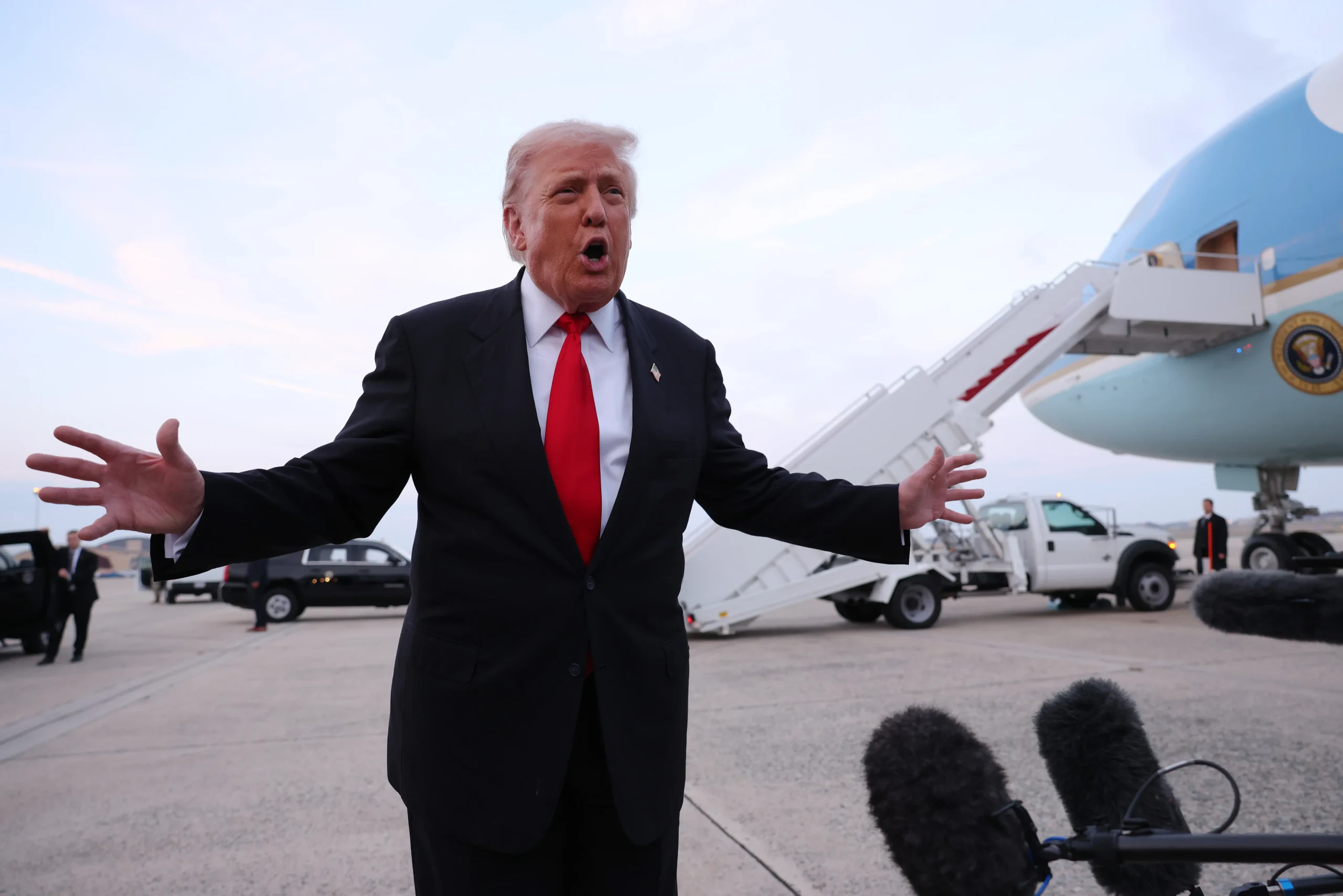
The statement came during a press interaction at Mar-a-Lago, where Trump said the United States must act “responsibly” to avoid triggering a broader regional conflict.
“Right now, we’re not looking at that. The focus is on stability, not escalation,” Trump told reporters.
His remarks follow weeks of speculation that the Pentagon was weighing advanced weapons options to strengthen Ukraine’s defense capabilities amid continued Russian offensives in the east.
U.S. Balances Support for Ukraine With Global Stability
The decision underscores Washington’s careful balancing act between supporting Ukraine’s sovereignty and preventing direct confrontation with Moscow.
The Tomahawk cruise missile, a long-range, precision-guided weapon, would mark a significant upgrade in Ukraine’s strike capacity — potentially allowing Kyiv to hit targets deep inside Russian territory.
Analysts say such a move could provoke retaliation from the Kremlin, undermining diplomatic efforts to contain the war.
“Trump’s caution signals an intent to avoid another escalation cycle,” said Col. James Porter (Ret.), a defense analyst. “He’s making it clear that the U.S. doesn’t want to cross Russia’s red lines.”
Ukraine’s Request and NATO’s Dilemma
Ukraine has reportedly requested longer-range munitions, including Tomahawk and ATACMS systems, arguing that these weapons are critical to counter ongoing missile attacks on civilian infrastructure.
However, several NATO allies have expressed concern that providing such systems could draw the alliance into direct conflict.
According to officials familiar with the discussions, Trump’s administration is instead focusing on non-lethal support, including humanitarian aid, logistics, and defensive technologies such as anti-drone systems.
Russia’s Reaction and Global Response
Moscow responded sharply to Trump’s statement, claiming it proves the United States “remains deeply entangled in the Ukraine conflict despite its denials.”
Russian Foreign Ministry spokesperson Maria Zakharova accused Washington of “playing politics” while Ukraine continues to seek Western military backing.
Meanwhile, European allies like Germany and France welcomed Trump’s restraint, emphasizing the need for peace talks rather than further escalation.
Political Context in Washington
Domestically, Trump’s comments have drawn mixed reactions from lawmakers.
Republican defense hawks argue that limiting arms aid could weaken U.S. credibility, while fiscal conservatives back the decision, citing the economic burden of continued military assistance.
Democratic leaders, on the other hand, urged the White House to maintain “steady support” for Kyiv while exploring diplomatic channels.
As the 2025 geopolitical landscape shifts, Trump’s stance on Ukraine’s weapons access may define the next phase of U.S. foreign policy toward both Russia and NATO.