Pratik Kamble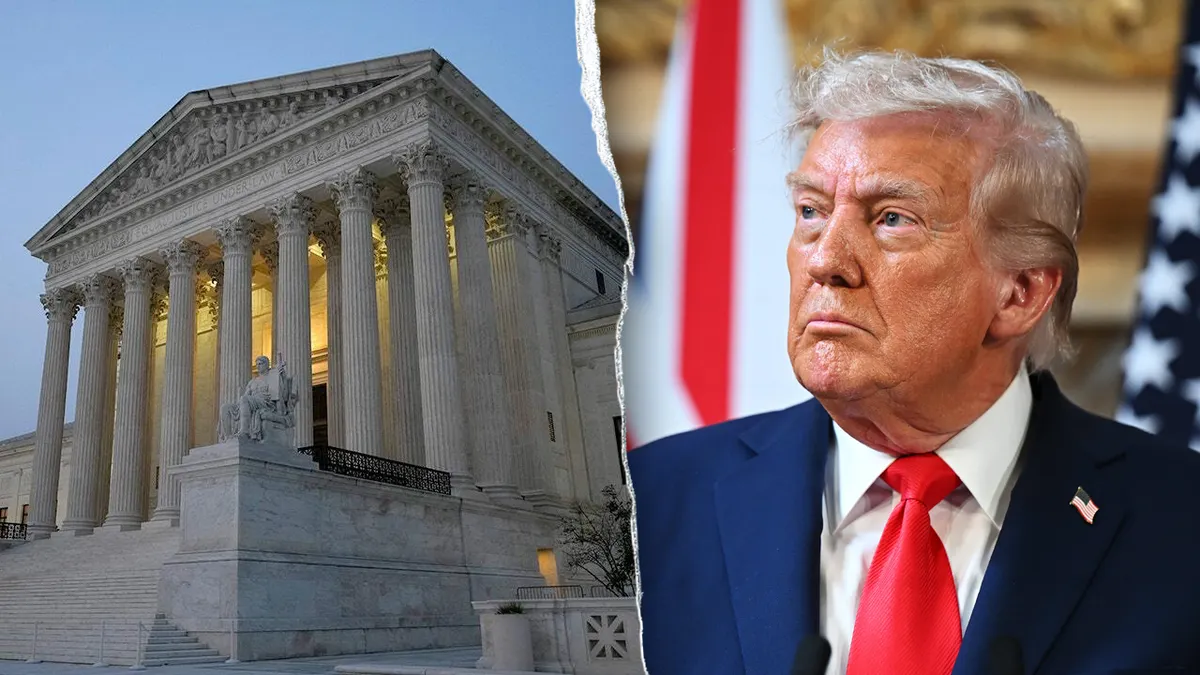
Trump Tariff Supreme Court Battle: ‘A Matter of Life or Death
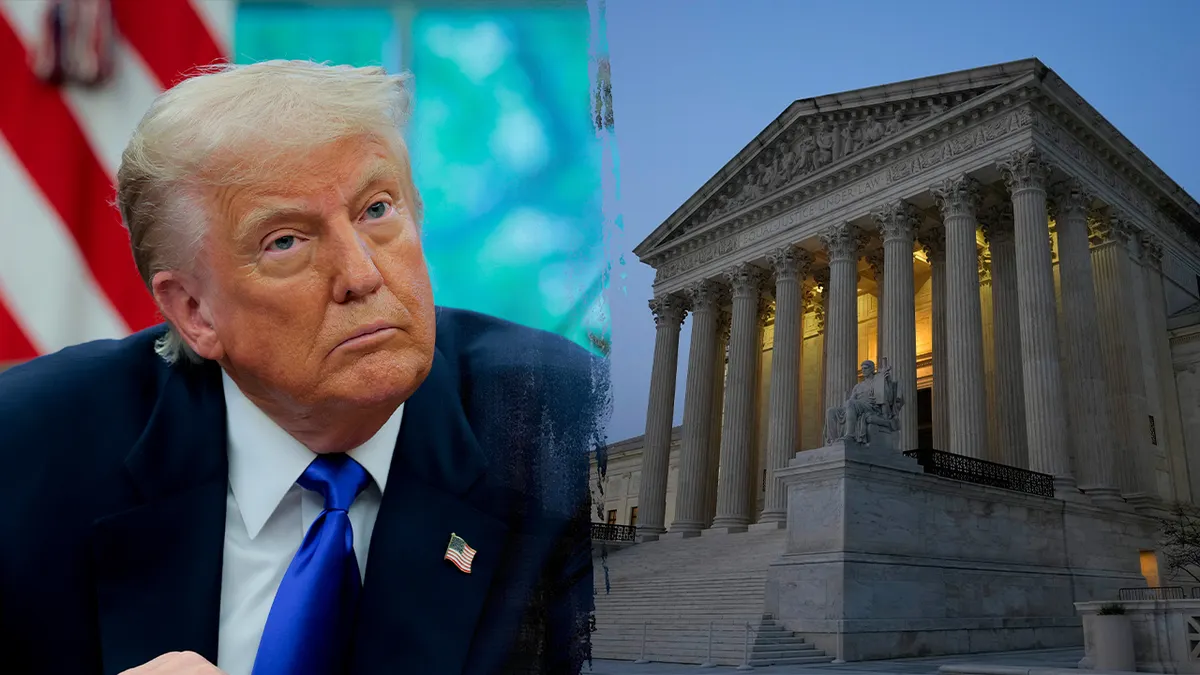
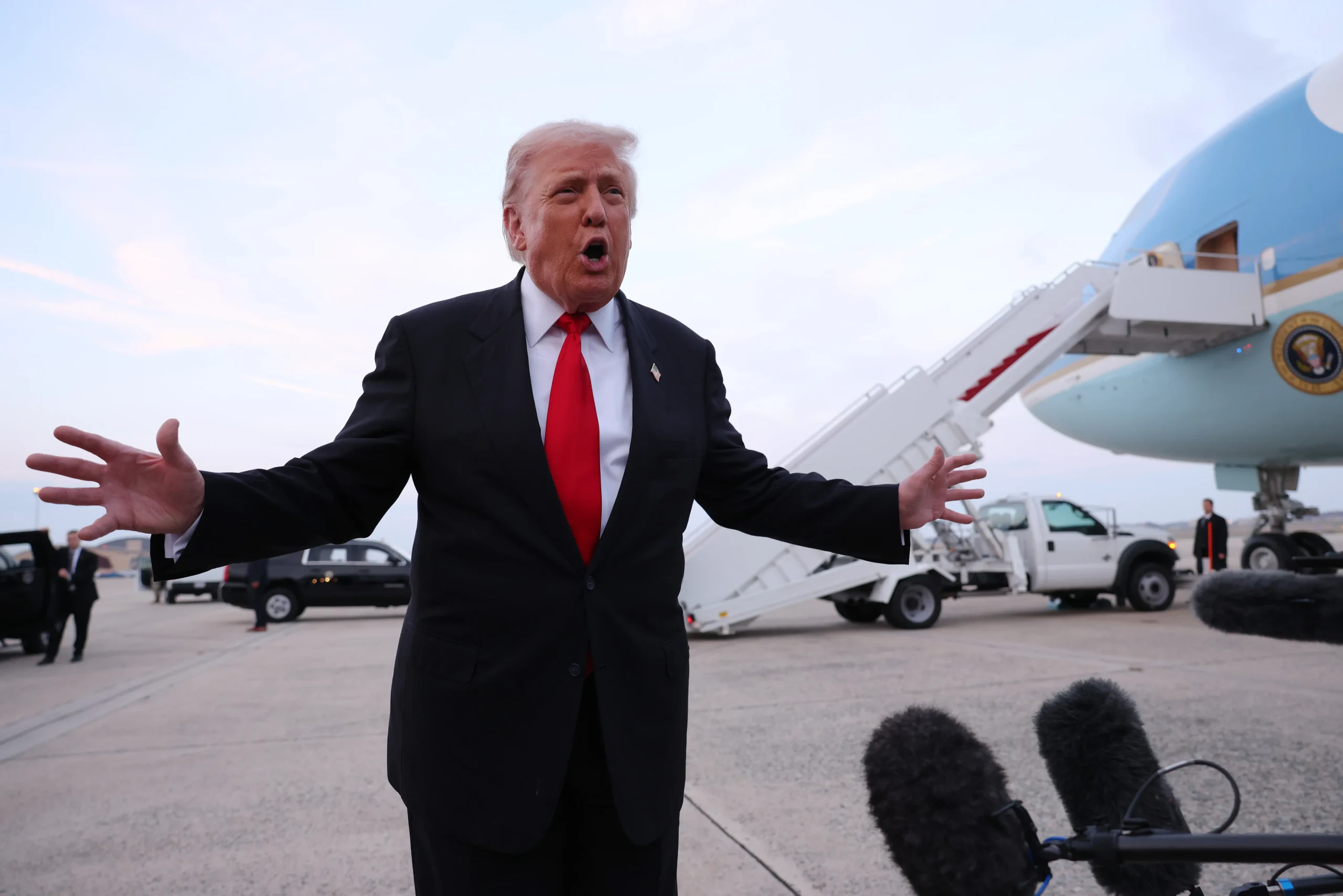
President Donald Trump declared on Monday that the tariff cases heading to the Supreme Court are “a matter of life or death for our country,” describing the legal showdown as a defining moment for America’s economic independence.
The Court is set to hear oral arguments on Wednesday involving multiple trade disputes stemming from Trump-era tariffs, including those targeting Chinese imports and steel and aluminum goods. The outcome could reshape the limits of presidential power in setting trade policy — a cornerstone of Trump’s economic agenda.
“These tariffs saved American industries and jobs,” Trump said. “If the Supreme Court weakens that authority, we’ll lose our leverage on the world stage.”
Background: Tariffs at the Heart of Trump’s Economic Legacy
The Trump tariff Supreme Court cases stem from challenges brought by U.S. companies and trade groups who argue that some of the duties imposed between 2018 and 2020 were unconstitutional or overly broad.
During his presidency, Trump invoked Section 232 of the Trade Expansion Act to justify tariffs on national security grounds, particularly against China and other nations accused of unfair trade practices.
The move was both praised and criticized — lauded by manufacturing advocates for revitalizing domestic production, yet condemned by free-trade economists who warned of rising consumer costs.
“Without strong tariffs, America becomes dependent on foreign nations for essentials,” Trump reiterated in his remarks.
Legal Stakes and Economic Impact
The Supreme Court’s decision could redefine how future presidents use executive authority in trade policy. Legal experts suggest the justices will weigh whether Trump’s actions exceeded congressional limits under Section 232.
If the Court narrows presidential power, future administrations may face constraints when imposing or adjusting tariffs without congressional approval.
Supporters of Trump’s stance argue that flexibility in trade authority is vital in responding to global economic threats. Critics, however, claim unchecked powers risk destabilizing international markets.
“This isn’t just about tariffs — it’s about who controls America’s economic destiny,” said former trade adviser Peter Navarro in a statement.
Business Community Divided
The business response has been split. Some manufacturers — particularly in steel and automotive sectors — have rallied behind Trump, crediting tariffs for protecting American jobs.
Others, including importers and retailers, say the duties inflated costs and disrupted supply chains, especially during the pandemic.
The U.S. Chamber of Commerce filed an amicus brief urging the Supreme Court to clarify executive trade authority, calling the issue “urgent for regulatory predictability.”
Meanwhile, small business associations have urged caution, warning that overreliance on tariffs could backfire by raising domestic prices.
Political Ramifications
The Trump tariff Supreme Court fight has broader political implications as Trump continues to champion his “America First” economic policy.
Republican allies have echoed his warning, framing the case as a test of national sovereignty.
“This is about protecting American workers, not foreign interests,” said Sen. J.D. Vance (R-Ohio).
Democrats, however, have accused Trump of politicizing trade policy, arguing that lasting solutions require diplomacy, not confrontation.
A Turning Point for U.S. Trade Policy
The Supreme Court’s ruling, expected later this year, could determine how aggressively future presidents can act on trade matters — shaping everything from manufacturing jobs to foreign relations.
For Trump and his supporters, the case represents a battle to preserve the economic foundation of his presidency.
“We fought for American workers once, and we’ll keep fighting,” Trump declared. “This decision will tell us whether our leaders stand with America — or against it.”