Pratik Kamble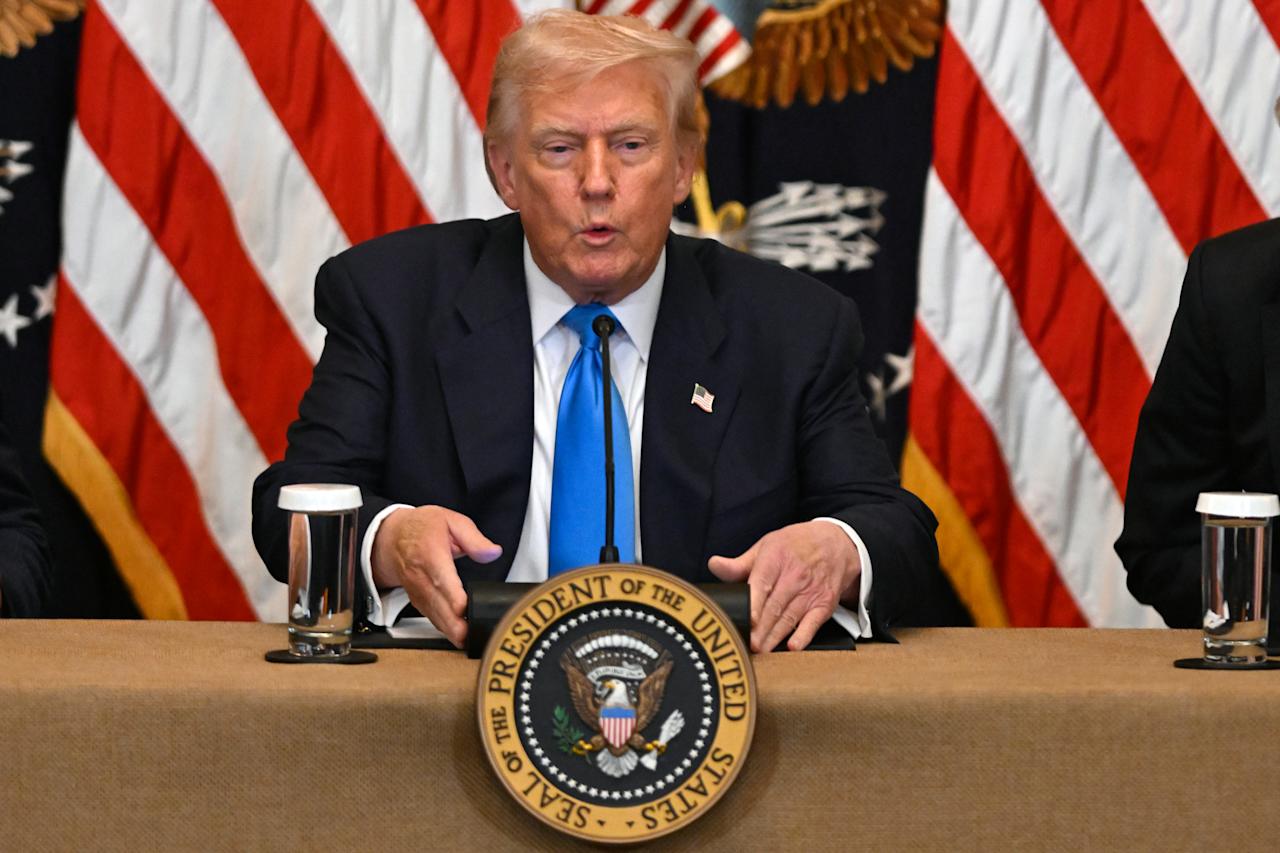
Retailers Respond to Rising Tariff Costs
Major U.S. retailers including Walmart, Target, and Amazon have quietly raised prices across a wide range of consumer goods as they work to absorb and offset the financial impact of tariffs imposed during the Trump administration.
The move reflects growing tension between corporate pricing strategies and consumer affordability, with businesses caught between maintaining profit margins and protecting customer loyalty.
According to industry analysts, the latest round of tariff-related cost adjustments could push prices up by 3% to 7% across several product categories, including electronics, home essentials, and apparel.
How Tariffs Are Affecting Retail Costs
The tariffs, originally introduced on Chinese imports, continue to strain supply chains that never fully recovered from the pandemic. Retailers say they have few options left but to pass some of those costs to consumers.
“We’ve absorbed as much as we can,” said a Walmart spokesperson. “At this point, incremental adjustments are necessary to keep operations sustainable.”
Target echoed similar sentiments, noting that inflationary pressures, shipping costs, and lingering tariff policies have created a “triple challenge” for the retail sector.
Consumers Feel the Pinch
Shoppers are already noticing the difference. Household staples such as paper goods, cleaning products, and small appliances have seen steady price increases over the past quarter.
“I used to spend about $200 on my biweekly grocery and essentials run,” said one Target customer in Chicago. “Now it’s closer to $240 — and I’m buying less.”
Experts warn that if tariffs remain in place through 2026, the average American family could spend an additional $1,000 annually on everyday purchases.
Retailers Look for Long-Term Solutions
In response to the sustained tariff environment, some retailers are shifting their sourcing strategies away from China toward Vietnam, India, and Mexico, hoping to reduce dependency and stabilize prices.
“Diversifying supply chains is no longer optional,” said retail economist Dr. Henry Lawson. “It’s a survival strategy for companies facing geopolitical uncertainty.”
Amazon has reportedly accelerated its partnerships with domestic manufacturers to reduce shipping and import costs — a move analysts say could become a broader trend in the e-commerce industry.
Political and Economic Ramifications
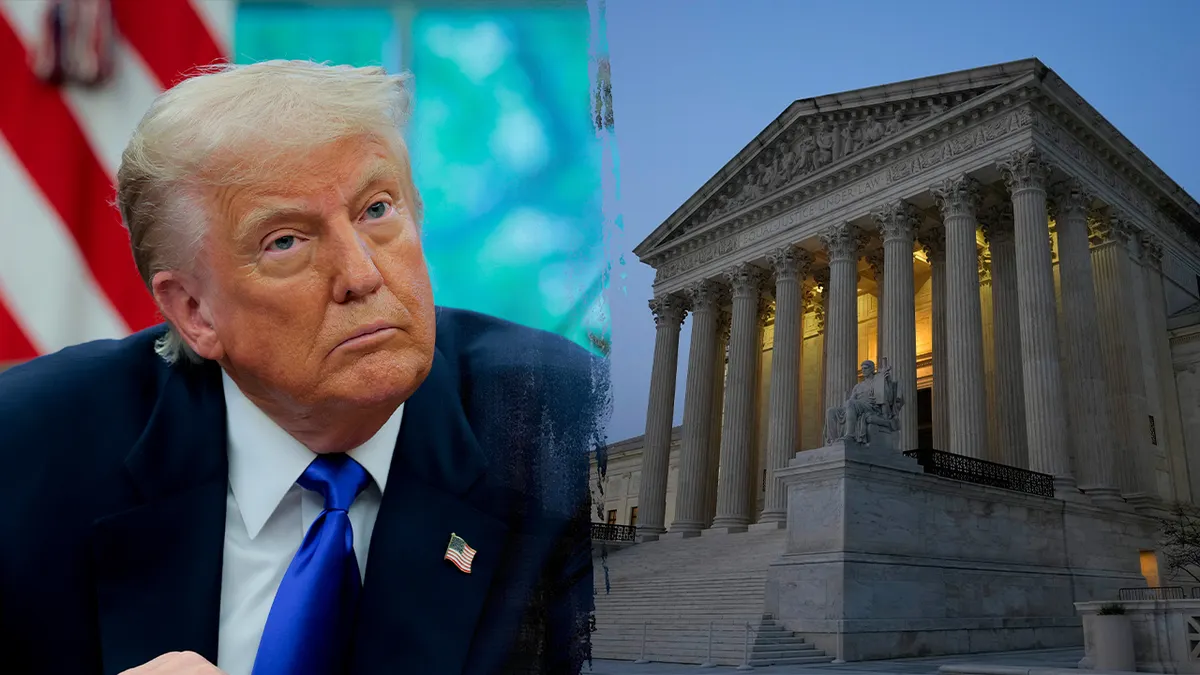
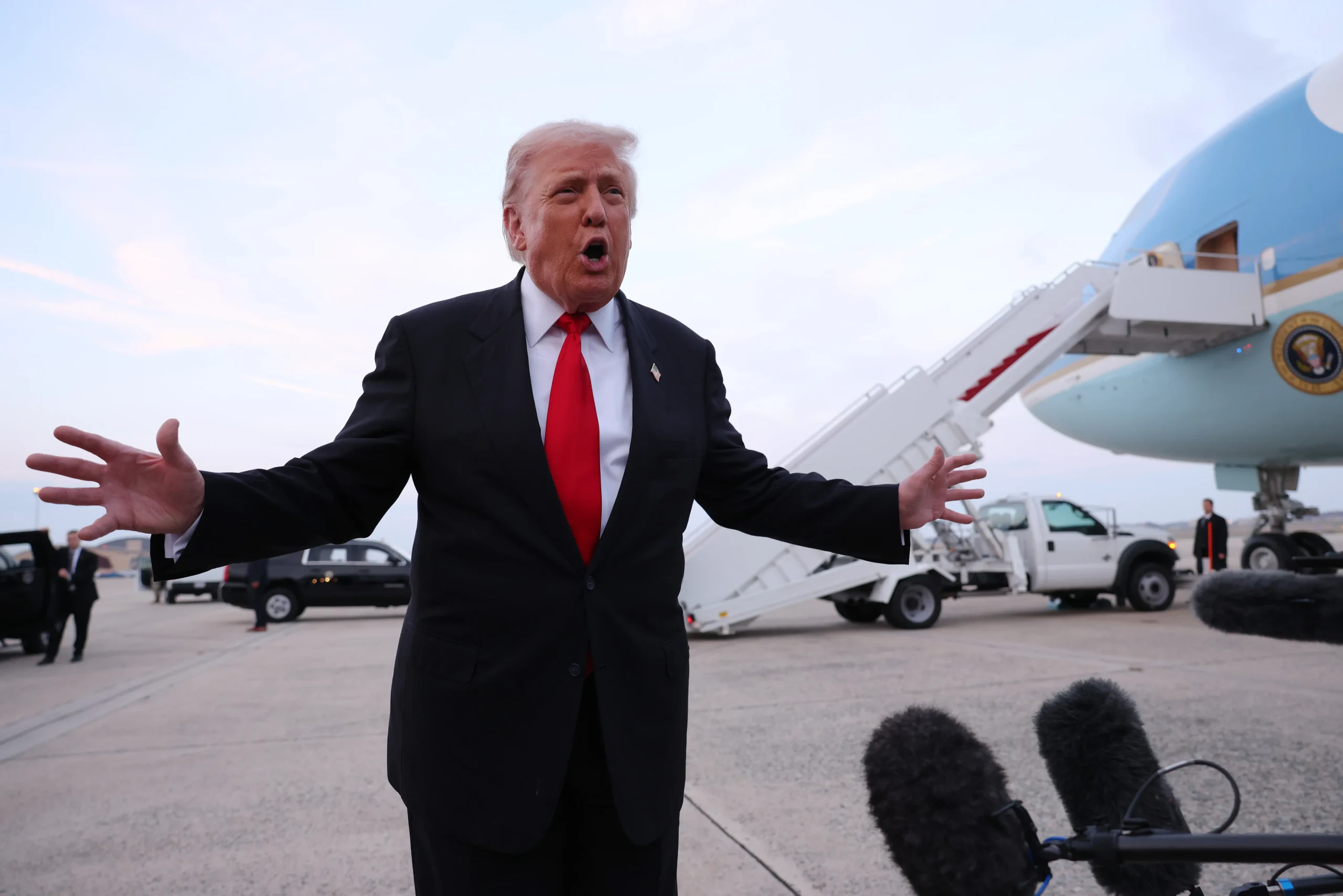
The renewed focus on tariffs comes as former President Donald Trump continues to defend his trade policies, calling them necessary to protect American industries. However, critics argue that these measures are fueling inflation and squeezing household budgets.
“Tariffs are effectively a hidden tax on consumers,” said former Treasury official Rachel Hernandez. “Retailers raise prices to stay afloat, but the cost always lands on everyday Americans.”
The Biden administration has not yet rolled back most Trump-era tariffs, citing ongoing concerns about supply chain stability and national security. Economists say that without relief, retail inflation could persist well into 2026.
What It Means for Consumers
As Walmart, Target, and Amazon adapt to a more expensive global trade landscape, consumers are likely to face continued price hikes on essentials and seasonal products.
For now, experts suggest shoppers use price comparison tools, seek out loyalty programs, and watch for off-season discounts to help manage rising costs.