Pratik Kamble
White House Shifts Focus to Economic Relief
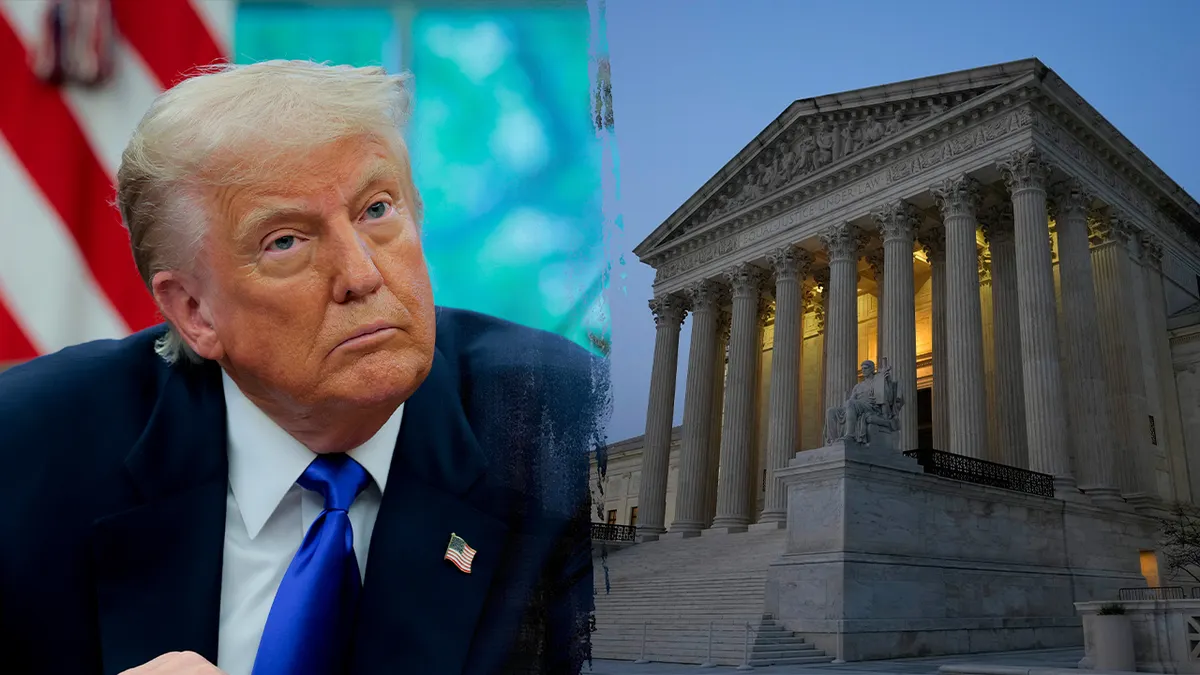
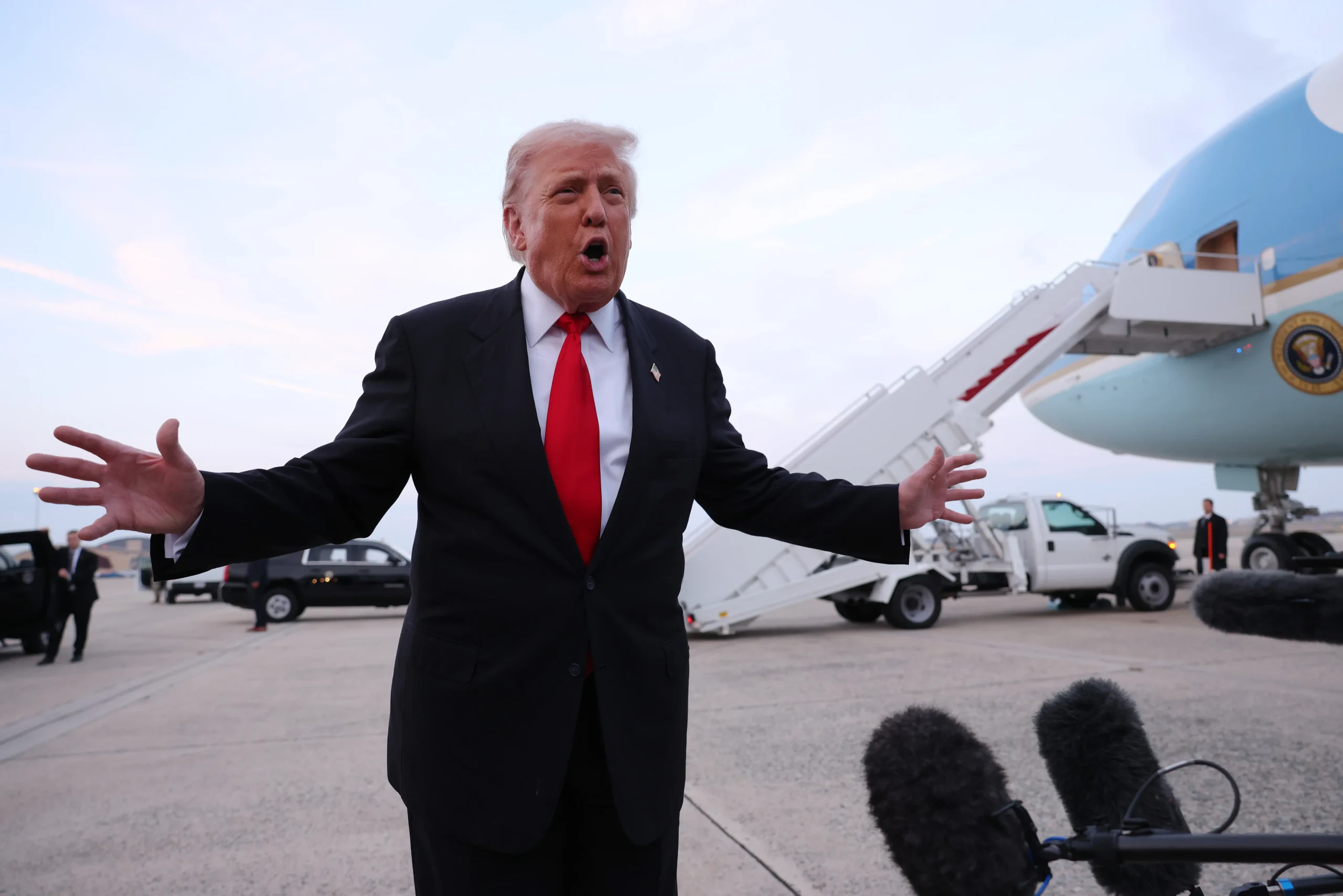
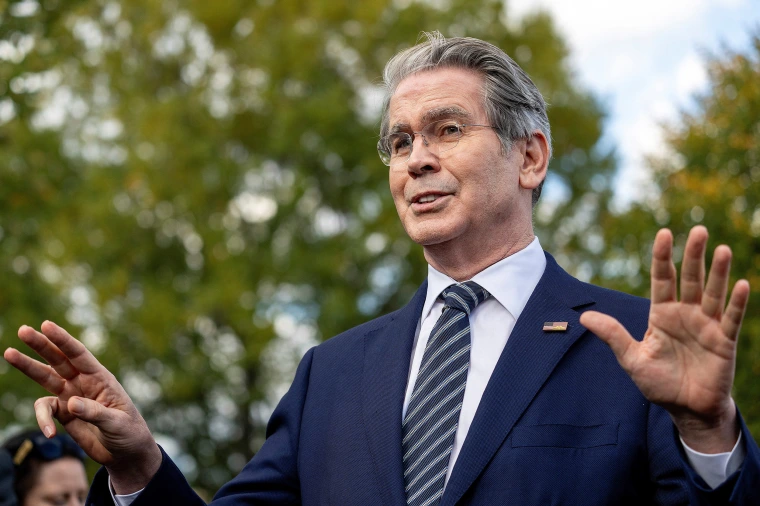
After a disappointing night for Republicans in key state and local races, President Donald Trump plans to make affordability and the cost of living the centerpiece of his 2026 domestic agenda, according to White House Deputy Chief of Staff James Blair.
Speaking to reporters on Wednesday, Blair said the President had instructed senior advisers to “double down on policies that directly impact working families.”
“President Trump understands that Americans are struggling with higher prices,” Blair said. “Next year will be all about affordability, jobs, and putting money back in people’s pockets.”
A Course Correction After Election Losses
The announcement comes after Republicans suffered setbacks in several competitive races on Tuesday, fueling speculation about voter frustration over persistent inflation and stagnant wages.
Party strategists say the losses serve as a wake-up call to address economic pain points felt by middle- and lower-income Americans.
“Voters sent a message,” Blair acknowledged. “They want action, not rhetoric, on issues like housing, groceries, and gas prices.”
Analysts view Trump’s pivot as an attempt to reclaim the economic populist message that propelled him to the White House in 2024, while re-energizing suburban and blue-collar voters ahead of the 2026 midterm elections.
Inside Trump’s Affordability Agenda
According to early reports from administration officials, the Trump affordability plan will focus on:
-
Lowering food and energy costs through expanded domestic production and streamlined supply chains.
-
Reducing housing costs by incentivizing construction and revisiting zoning regulations.
-
Cutting taxes for working-class families to offset inflationary pressure.
-
Expanding consumer choice in healthcare and education.
Blair said the White House will soon unveil a “Cost of Living Action Framework” outlining concrete legislative and executive measures.
“The President wants quick, measurable impact — not years of bureaucratic delay,” Blair said.
Political Reactions and Economic Stakes
Democrats quickly pushed back, accusing the administration of political opportunism following election losses.
“Trump ignored affordability for months,” said Rep. Maria Gonzalez (D-CA). “Now that his party took a hit, he’s suddenly pretending to care.”
Economists, however, see potential for bipartisan cooperation, particularly on housing supply and energy affordability — two areas where public frustration cuts across party lines.
“Inflation remains top of mind for most Americans,” said Dr. Henry Wallace, an economist at Georgetown University. “If the administration can produce tangible relief, it could shift voter sentiment before 2026.”
Eyes on 2026 and Beyond
The new focus on affordability marks a strategic reset for Trump as he navigates internal GOP divisions and growing competition from populist conservatives ahead of the next election cycle.
“This is about results,” Blair said. “If we can make everyday life more affordable, voters will respond — and they’ll reward leadership that delivers.”
The Trump affordability plan could define the administration’s second term and serve as a test of whether populist economic promises can translate into real-world relief for millions of Americans.