Pratik Kamble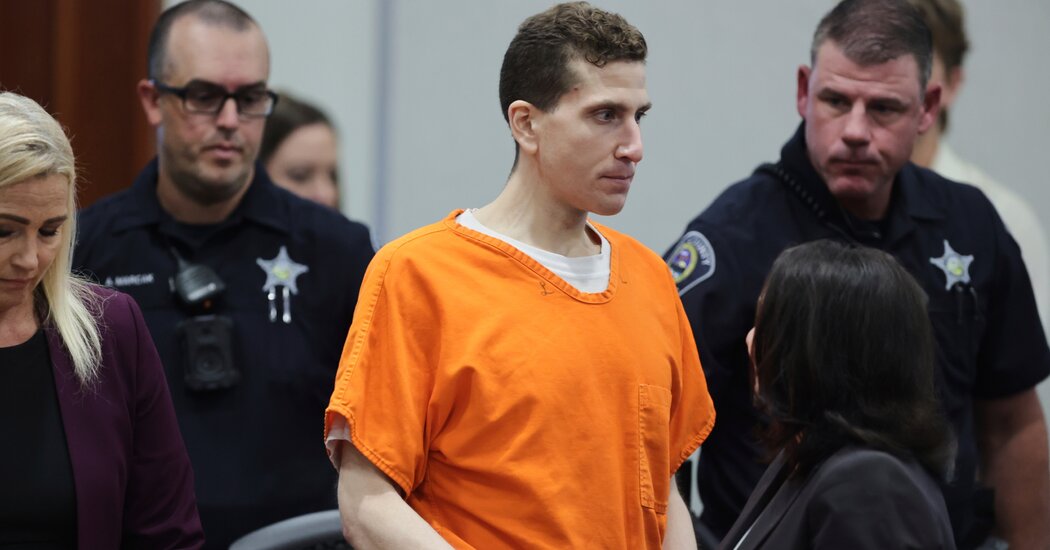
Bryan Kohberger Accused of Concealing Funds Amid Legal Battle
Bryan Kohberger, the man accused of brutally murdering four Idaho college students in their sleep, has reportedly raised tens of thousands of dollars in donations from his supporters and family — and is now fighting to keep that money out of the hands of the victims’ families, according to new reports.
Kohberger, who faces four counts of first-degree murder in the 2022 slayings at the University of Idaho, allegedly collected the funds through private donations and family support to cover legal and personal expenses. However, lawyers representing the victims’ families claim those funds should be made available for restitution and compensation.
Legal Dispute Over Victim Compensation
Court documents reveal that the families of the slain students — Ethan Chapin, Kaylee Goncalves, Madison Mogen, and Xana Kernodle — have sought financial redress through civil channels while the criminal case remains ongoing.
However, Kohberger’s legal team has moved to protect the funds from seizure, arguing that the donations were made “voluntarily” and are unrelated to any potential damages.
“The funds were personal gifts from family members and backers who believe in his right to a fair defense,” a defense filing reportedly stated.
Victims’ advocates, however, have condemned the move as a moral affront.
“This is about accountability and justice,” said Shanon Gray, attorney for one of the victims’ families. “He shouldn’t profit — directly or indirectly — from the crime he’s accused of committing.”
Public Outrage and Ethical Debate
The revelation has sparked a fierce public backlash, reigniting anger surrounding the case that gripped the nation.
Critics argue that Kohberger’s supporters are enabling him to benefit financially while the victims’ families continue to endure emotional and financial suffering.
Legal experts note that while defendants are allowed to receive financial support during their trials, courts can intervene if the funds appear to obstruct restitution claims or violate victims’ rights laws.
“If any of that money can be tied to proceeds or exploitation of the crime, the court may redirect it to victims,” explained legal analyst Marissa Cole.
Background: The Idaho Student Murders
The case shocked America when four University of Idaho students were found stabbed to death in their off-campus home in Moscow, Idaho, in November 2022.
Kohberger, then a Ph.D. criminology student at Washington State University, was arrested weeks later following DNA evidence allegedly linking him to the scene.
Since then, the case has been delayed repeatedly, with pre-trial hearings focusing on forensic evidence, digital data, and jury selection. Kohberger has maintained his innocence, pleading not guilty to all charges.
What’s Next in the Kohberger Case
Prosecutors are seeking the death penalty, citing the “heinous, premeditated nature” of the murders.
Meanwhile, the fight over Kohberger’s collected funds is expected to continue in civil court, where victims’ families are pushing for full financial disclosure.
“Justice doesn’t stop at conviction,” one family member said in a public statement. “We want accountability — emotional, legal, and financial.”
Observers say the Bryan Kohberger victims’ families dispute could set an important precedent for how courts handle defendant fundraising in high-profile criminal cases.