Pratik Kamble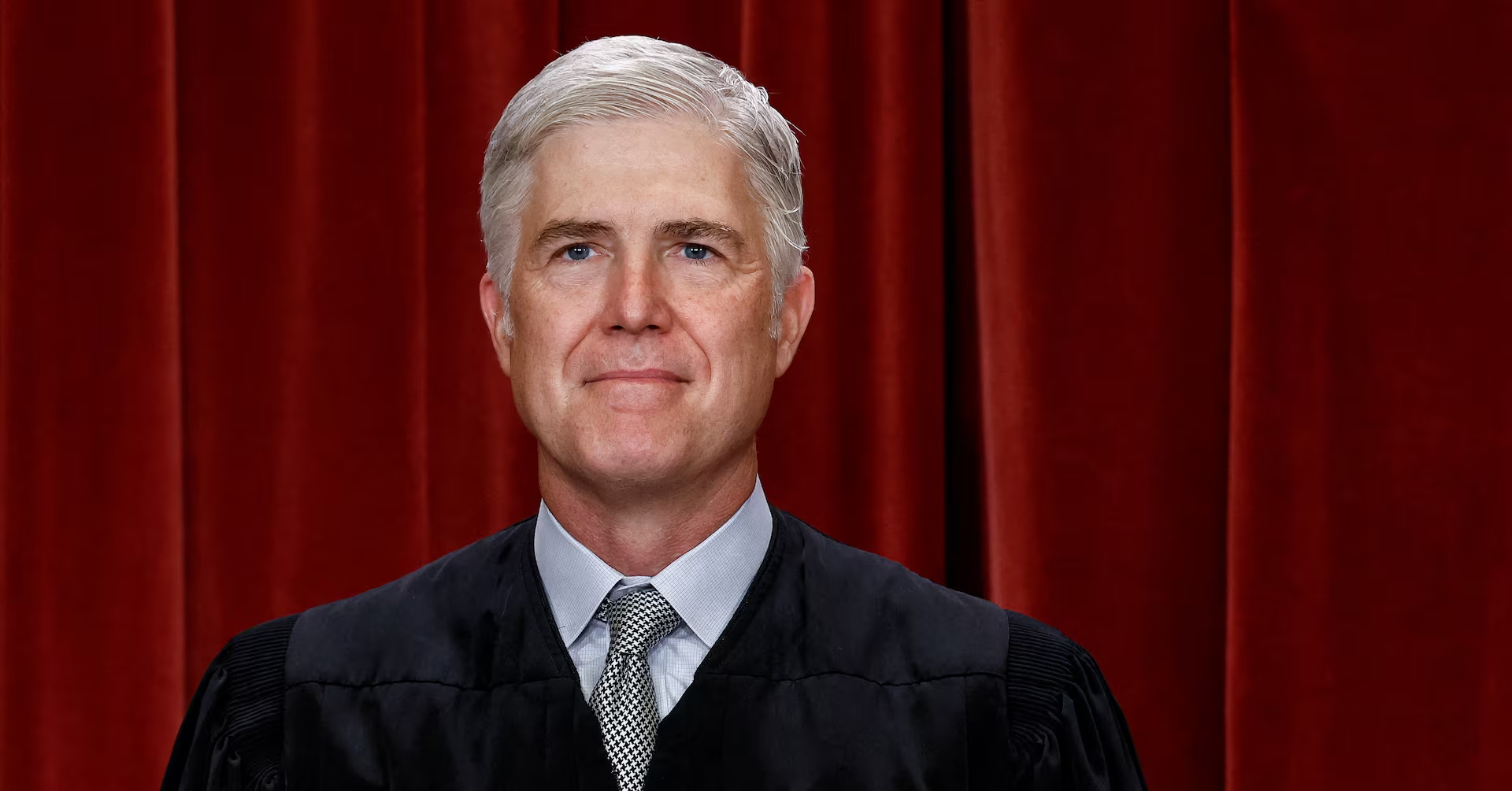
Justice Neil Gorsuch Questions Presidential Power in Trump Tariff Case
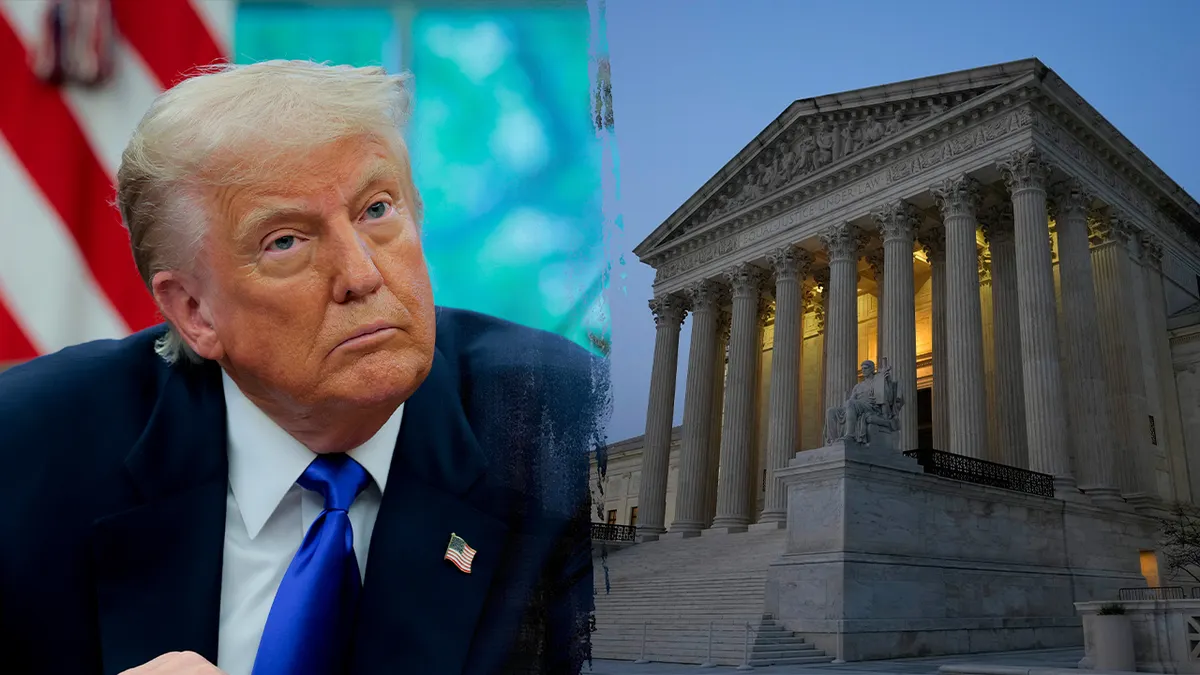
Supreme Court Justice Neil Gorsuch, a Trump appointee, pressed Solicitor General D. John Sauer on Wednesday over the scope of presidential authority during oral arguments on the legality of former President Donald Trump’s tariff policies.
The high-stakes hearing centered on whether the executive branch overstepped constitutional limits when imposing sweeping tariffs on foreign imports without explicit congressional approval.
“At what point,” Gorsuch asked, “does a delegation of trade authority to the president become too broad for constitutional comfort?”
Background: The Trump Tariff Controversy
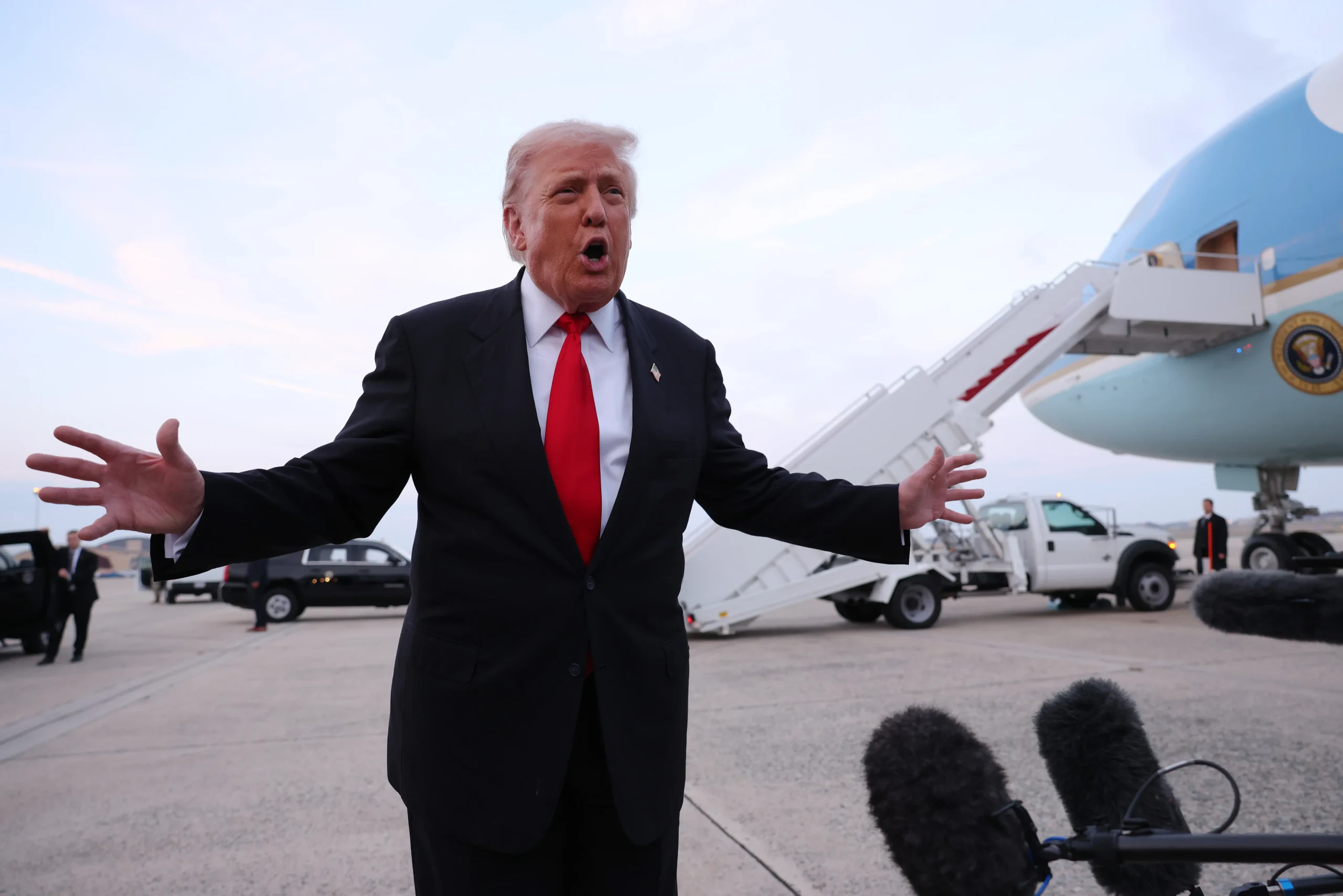
During his presidency, Donald Trump imposed aggressive tariffs on steel, aluminum, and various imported goods under Section 232 of the Trade Expansion Act, citing national security concerns.
Critics argued the move stretched executive power, effectively allowing the president to unilaterally dictate trade policy — a responsibility traditionally held by Congress.
Multiple industry groups and trade organizations filed lawsuits claiming the tariffs violated constitutional separation of powers. The current case before the Supreme Court could determine how much discretion future presidents will have in shaping trade policy.
Inside the Supreme Court Arguments
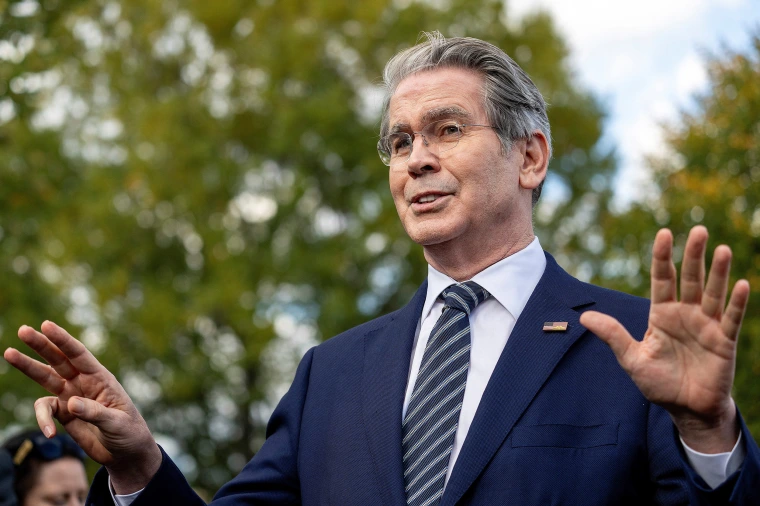
Solicitor General D. John Sauer, defending the Trump-era actions, argued that the tariffs were “lawfully implemented” and that Congress had granted broad authority to the president to respond to economic threats.
Justice Gorsuch, however, appeared skeptical, joining several colleagues in questioning whether the law provided clear limits to prevent abuse of executive power.
“This is not about the wisdom of tariffs,” Gorsuch noted. “It’s about who — Congress or the president — decides when and how they’re imposed.”
Justice Ketanji Brown Jackson and Elena Kagan also raised concerns about the potential precedent that could allow presidents to bypass legislative oversight in future trade disputes.
Political and Economic Stakes
The decision could have far-reaching economic and political consequences, particularly as global trade tensions remain high.
If the Court narrows presidential power, it could reshape U.S. trade authority and limit executive control over tariffs.
Conversely, a ruling in favor of Trump’s policies could solidify presidential dominance in trade matters, setting a precedent for future administrations.
“This case isn’t just about tariffs — it’s about the architecture of power,” said Laura Michaels, a trade law expert at Georgetown University.
Next Steps
The Court is expected to issue a decision early next year. Analysts say a split decision is possible, with Gorsuch’s questioning signaling a potential reconsideration of executive trade authority.
“If Gorsuch sides with the liberal justices, it could redefine limits on presidential power,” Michaels added.
As the Supreme Court weighs its ruling, both the Biden administration and business leaders are closely watching for what could become a landmark decision in constitutional and trade law.