Pratik Kamble
DHS Terminates Protections for South Sudanese Nationals
The Department of Homeland Security (DHS) announced on Tuesday that it has ended Temporary Protected Status (TPS) for South Sudanese nationals residing in the United States, clearing the way for deportations beginning in 2026.
The decision reverses more than a decade of humanitarian protections that allowed thousands of South Sudanese citizens to live and work in the U.S. legally amid ongoing conflict and instability in their home country.
“After extensive review, DHS has determined that conditions in South Sudan no longer warrant continued TPS designation,” the department said in a formal statement.
What the Decision Means
The termination of TPS will affect an estimated 2,500 South Sudanese nationals, many of whom have lived in the U.S. for years under successive extensions of the program.
The policy shift gives affected individuals 12 months to prepare for departure or adjust their immigration status before enforcement begins in early 2026.
“This decision is a devastating blow to families who have built their lives here,” said Sarah Milton, director of the Refugee Justice Coalition. “South Sudan remains unstable, and deporting people back could put their lives at risk.”
Background: What Is TPS?
Temporary Protected Status (TPS) is a humanitarian program created by Congress in 1990 that allows citizens of countries facing armed conflict, natural disasters, or other extraordinary conditions to remain in the U.S. temporarily.
South Sudan first received TPS designation in 2011, following its independence and the outbreak of civil war. The status has been renewed several times due to continued violence, famine, and political unrest.
The latest DHS review cited improvements in security and governance, though international organizations, including the United Nations, have warned that the region remains volatile.
Reactions and Political Fallout
Immigration advocates and Democratic lawmakers condemned the move as “premature and politically motivated.”
“Ending TPS for South Sudan is reckless,” said Sen. Alex Padilla (D-Calif.), a member of the Senate Judiciary Subcommittee on Immigration. “The administration should be protecting, not punishing, vulnerable populations.”
Meanwhile, supporters of the decision, including several Republican lawmakers, argue that TPS was never intended to be permanent.
“It’s time to enforce our laws and end endless renewals,” said Rep. Mark Green (R-Tenn.), chairman of the House Homeland Security Committee. “Those who no longer qualify should return home.”
Humanitarian Concerns Remain
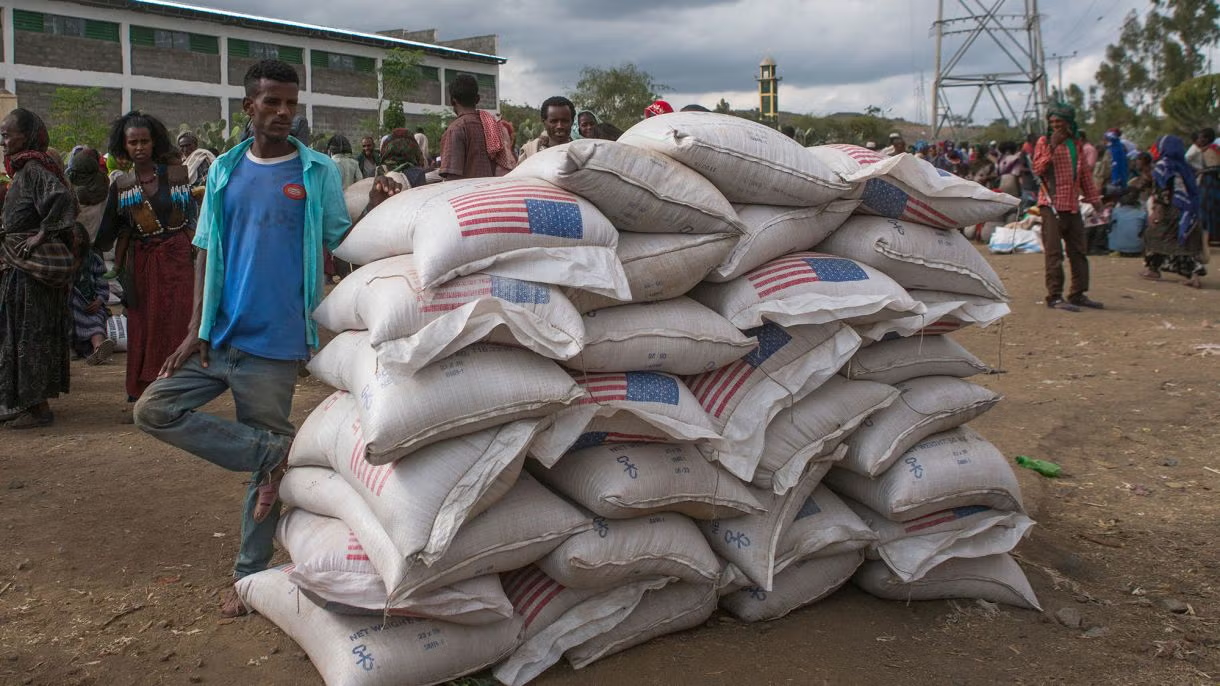
Human rights organizations are urging DHS to reconsider or delay the termination, citing ongoing reports of violence, displacement, and famine in parts of South Sudan.
The International Rescue Committee (IRC) warned that returning deportees could face severe food insecurity and limited access to healthcare, especially in rural areas.
“South Sudan is not ready to safely receive thousands of returnees,” the IRC said in a statement.
What Happens Next
Affected South Sudanese nationals have until December 2026 to either leave the U.S. or apply for another legal immigration pathway such as asylum, if eligible.
DHS said it will issue formal deportation guidance in the coming months and coordinate with the State Department for return logistics.
The move adds to the Biden administration’s tightening immigration policies amid increasing political pressure to reduce unauthorized stays and overhaul U.S. asylum systems.