Pratik Kamble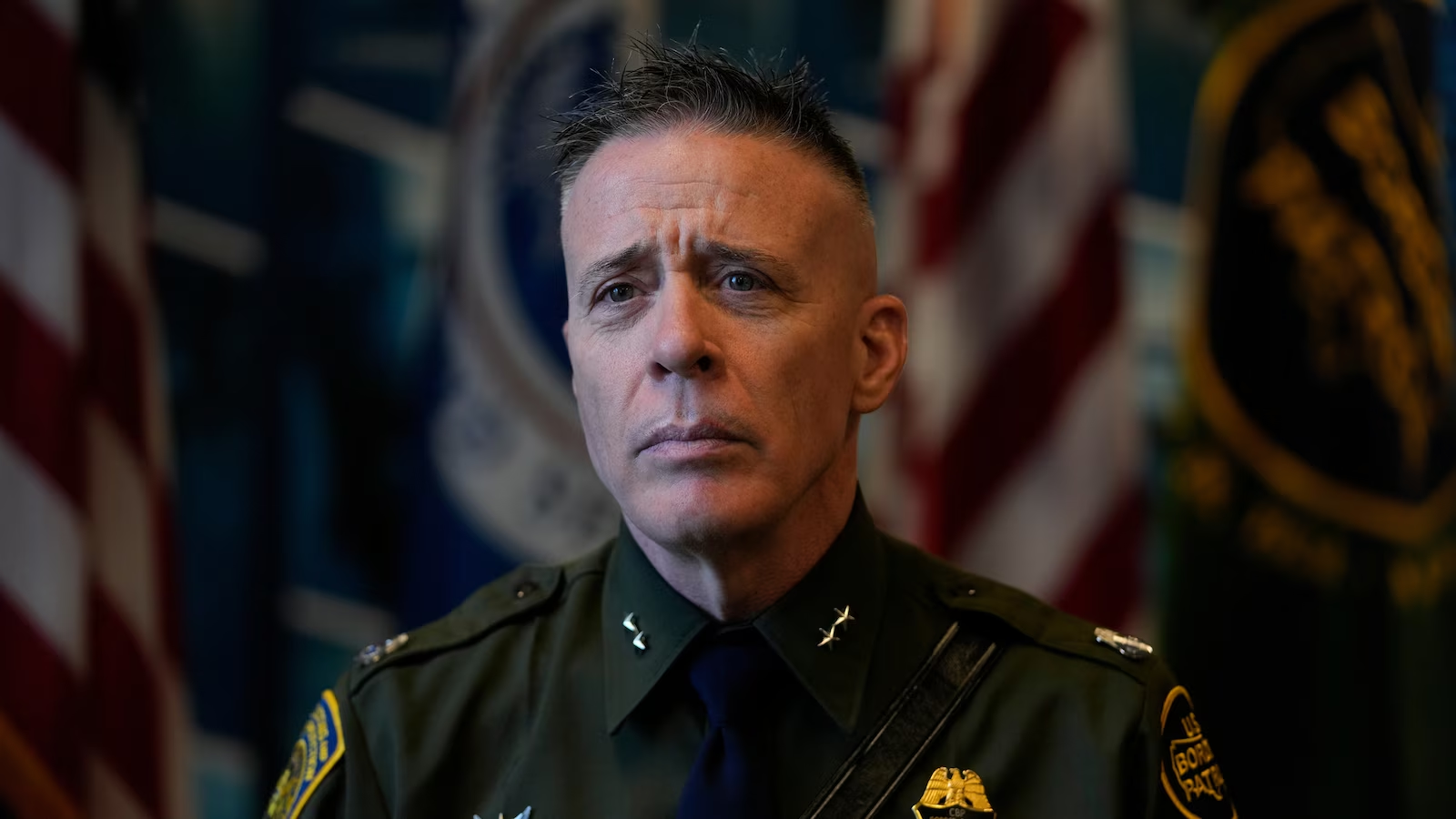
🇺🇸 Border Patrol Commander Bovino Exits Chicago After Sanctuary-City Crackdown
The highly controversial tenure of U.S. Border Patrol Commander Gregory Bovino in Chicago is expected to conclude this week, as the commander and several of his agents prepare to depart the city. Bovino was dispatched by the Trump administration to lead “Operation Midway Blitz,” an aggressive immigration enforcement surge that has been a non-stop flashpoint between federal agents and local Democratic officials, resulting in both political turmoil and thousands of arrests in the nation’s third-largest city.
Bovino, typically the Border Patrol head for the El Centro, California sector, transformed Chicago—a designated “sanctuary city”—into an ideological battlefield. His self-proclaimed mission was to be a “sanctuary buster,” a challenge he took seriously, overseeing over 3,200 arrests of illegal migrants across the Chicago metropolitan area since the operation began in September. His departure, however, leaves behind a wake of legal challenges and lingering questions about the federal government’s role in local law enforcement.
💥 Operation Midway Blitz: Tactics and Total Conflict
The operation was notable not just for its volume of arrests, but for the aggressive, border-style tactics deployed far from the U.S.-Mexico line. Bovino’s agents, drawn from various agencies including Customs and Border Protection (CBP) and Immigration and Customs Enforcement (ICE), utilized methods rarely seen in major U.S. cities.
Clashes with the Judiciary and the Public
The intensity of the operation quickly led to conflict with the legal system and the public:
-
- Judicial Reprimand: Commander Bovino was reprimanded by U.S. District Judge Sara Ellis for giving false testimony regarding an incident involving the use of force against protesters. Bovino initially claimed he was struck by a rock before using a gas canister, but later admitted under oath that he had deployed the gas before being struck. Judge Ellis called his testimony a “lie.”
- Use of Force: Agents under his command repeatedly clashed with immigrant rights activists. These encounters involved the use of tear gas, pepper balls, and chemical agents, notably near a public area where children were preparing for a Halloween parade.
- Armed Patrols: Bovino controversially assigned heavily armed agents to patrol public, non-border areas, including along the affluent Michigan Avenue shopping district, a tactic that drew widespread fear and criticism from local residents and officials.
⚖️ Political Fallout and Democratic Officials’ Outrage
The aggressive operation was met with unified condemnation from Illinois’ Democratic leadership. Governor J.B. Pritzker and Chicago Mayor Lori Lightfoot repeatedly slammed the deployment as a political stunt by the Trump administration, designed to sow fear rather than address genuine security threats.
Resources Diverted for Political Gain
Democratic officials argued that the resources—including Border Patrol Chief Bovino’s high salary and travel costs—were being wasted on a political agenda, describing the operation as a distraction from the real purpose of border security. The agents’ conduct has become the subject of multiple lawsuits and local criminal investigations. Furthermore, the high-profile clashes with protesters further fueled accusations that the mission was more about optics and intimidation than targeted enforcement.
While Bovino and his specific team are now rotating out of the city, the Department of Homeland Security (DHS) has indicated that the federal government will maintain an enforcement presence in the Chicago area. Ultimately, the tenure of Commander Bovino highlights the deep ideological chasm separating the federal government’s hardline immigration policies from the non-cooperation stance of major urban “sanctuary cities.” The operation was less a lasting change in enforcement and more a symbolic, highly aggressive act designed to challenge local sovereignty.