Pratik Kamble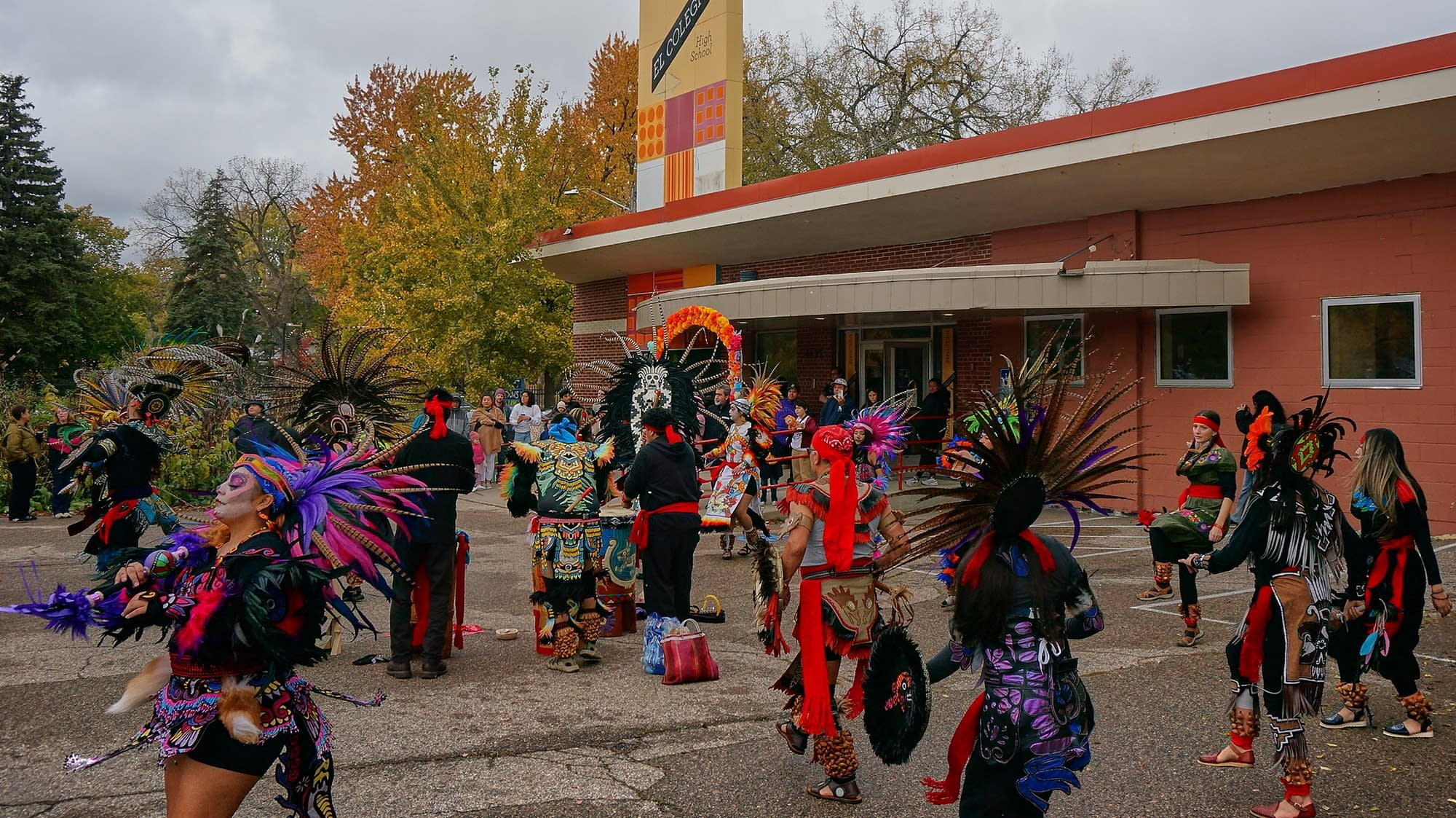
Halloween and Day of the Dead Celebrations Decline in Chicago Due to Immigration Enforcement
Festivities in and around Chicago were noticeably quieter this weekend as Halloween and Day of the Dead (Día de los Muertos) celebrations saw a marked decline.
According to a report by NPR, many families opted to stay home amid fears surrounding heightened immigration enforcement actions in the area.
What is typically a time of joy, community gatherings, and cultural pride turned somber as immigrant communities, particularly those in neighborhoods with large Hispanic populations, faced uncertainty and concern.
“It’s heartbreaking to see the streets empty on such colorful days,” said María Hernandez, a community organizer in Chicago’s Pilsen district. “Families didn’t want to risk being out.”
Fears Keep Families Indoors
The decline in participation comes amid reports of increased immigration enforcement across parts of Illinois. Community members told NPR that they have seen more unmarked federal vehicles and heard of potential detentions, though local officials have not confirmed any raids.
Many undocumented families or those with mixed immigration status decided to avoid public spaces, including parades, festivals, and late-night trick-or-treating.
Several local organizers even canceled small gatherings or modified events to private indoor spaces.
In neighborhoods like Little Village and Pilsen, normally known for their vivid Día de los Muertos decorations and processions, the atmosphere was subdued. Residents said fewer altars were set up, and community centers reported lower turnout compared to previous years.
Local Officials Reassure Communities
In response to growing anxiety, Chicago officials reiterated the city’s long-standing stance as a sanctuary city, emphasizing that local police do not participate in federal immigration operations.
Mayor Brandon Johnson’s office released a statement reaffirming that “Chicago remains committed to protecting immigrant families and ensuring that everyone feels safe celebrating community traditions.”
Despite these assurances, community leaders say trust has eroded due to past incidents and mixed messaging from federal agencies.
“Even when city officials say we’re safe, people remember what happened before,” said Carlos Vega, an activist with the Illinois Coalition for Immigrant and Refugee Rights. “Fear spreads faster than facts.”
Impact on Cultural Traditions
The Day of the Dead, a time-honored tradition celebrating ancestors through altars, offerings, and music, holds deep cultural significance for many Mexican and Central American families. Halloween, meanwhile, brings neighborhoods together for fun and creativity.
But this year, both celebrations were overshadowed by tension.
Cultural groups said the decline not only affected attendance but also hurt small vendors, artists, and local businesses that rely on seasonal events.
Sociologists warn that repeated disruptions to cultural events can impact community cohesion and mental health, especially among vulnerable immigrant populations.