Pratik Kamble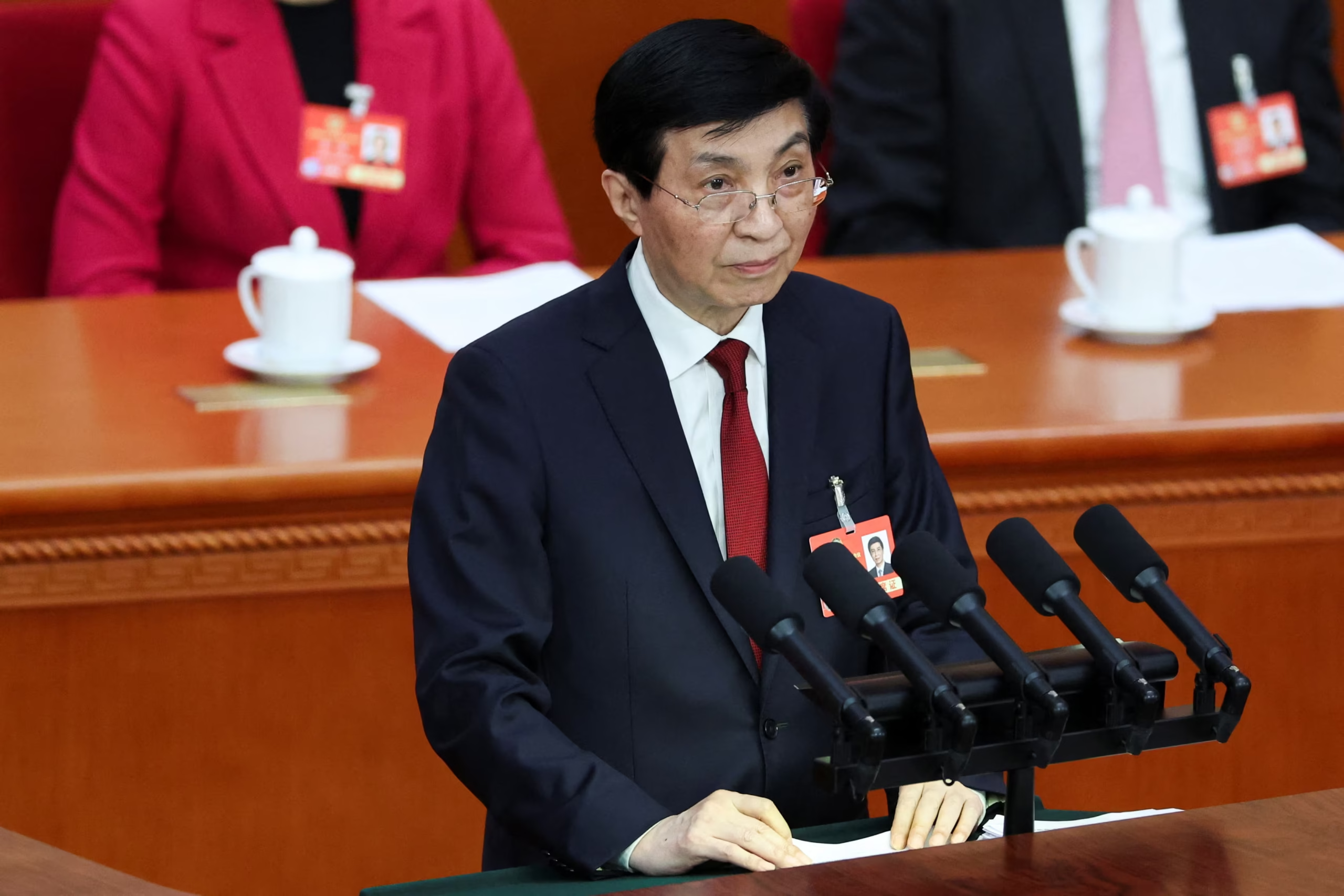
China Taiwan Reaffirms Push for Peaceful Reunification
On Saturday, China’s fourth-highest-ranked leader declared that China and Taiwan should work together toward “peaceful reunification.”
The comment underscores Beijing’s continued insistence that Taiwan is an inseparable part of China — even as tensions over sovereignty, military activity, and international recognition remain high.
This latest statement adds to growing debate over the China Taiwan peaceful reunification narrative and how it might shape East Asia’s geopolitical balance.
Who Made the Statement
The remarks were made by Wang Huning, Chairman of the Chinese People’s Political Consultative Conference (CPPCC) and the fourth-highest-ranking official in China’s Communist Party hierarchy.
Wang delivered the message during a national conference on cross-strait relations, saying:
“Both sides of the Taiwan Strait belong to one China. We must work together to achieve peaceful reunification for the benefit of all Chinese people.”
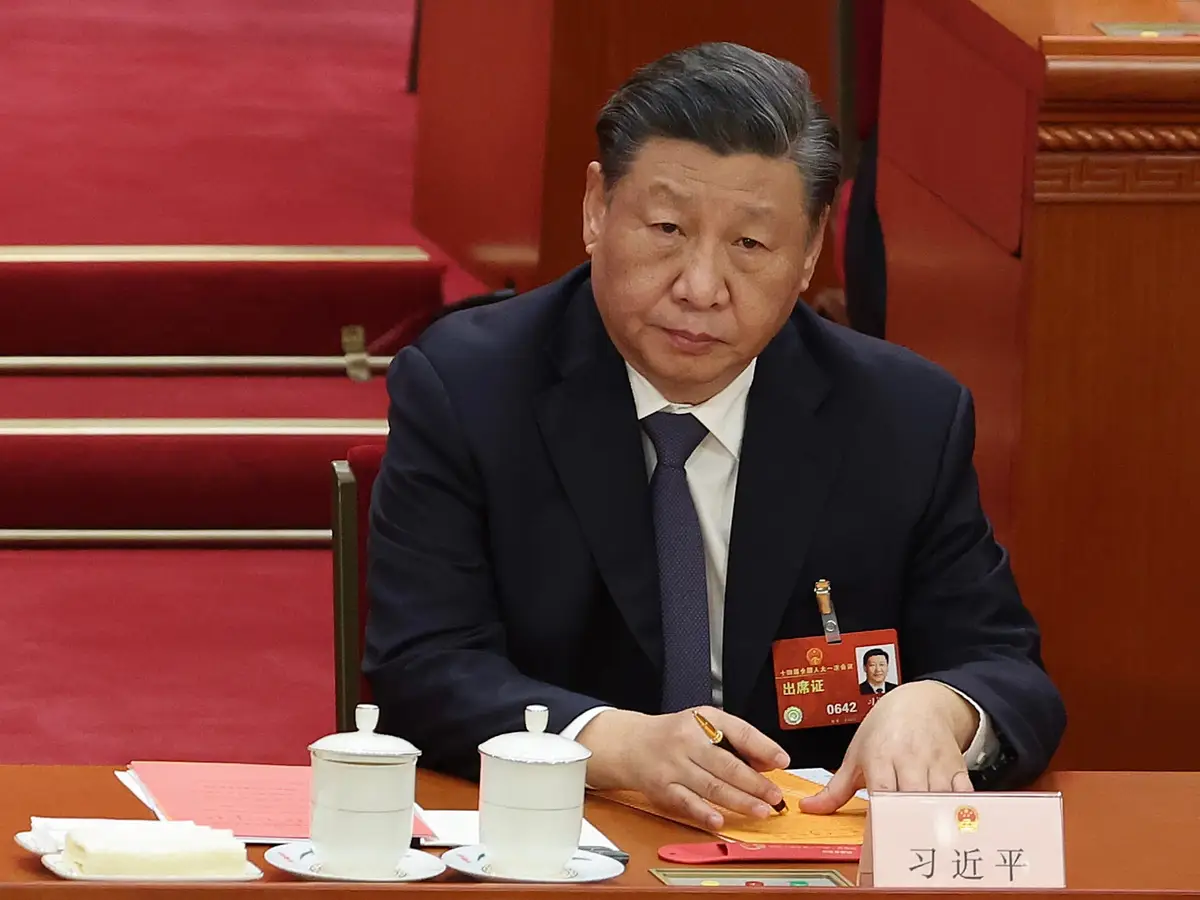
His statement aligns closely with President Xi Jinping’s vision of achieving national reunification — preferably through peaceful dialogue, but without ruling out the use of force if necessary.
Background: The Longstanding China–Taiwan Divide
The China Taiwan peaceful reunification issue traces back to 1949, when the Chinese Civil War ended with the Communist Party taking control of mainland China and the defeated Nationalist government retreating to Taiwan.
Since then:
-
-
Beijing has viewed Taiwan as a breakaway province.
-
-
-
Taipei has developed its own democratic government, constitution, and military.
-
-
The U.S. maintains unofficial relations with Taiwan under the Taiwan Relations Act.
The concept of “peaceful reunification” has long been central to China’s official stance, though military pressure — including frequent air incursions near Taiwan’s air defense zone — continues to create unease in the region.
Reactions from Taipei and Washington
Taiwan’s Mainland Affairs Council swiftly responded to Wang’s remarks, stating that “Taiwan’s future must be decided by its people.”
The Taiwanese government rejected the notion that reunification could occur under China’s “One Country, Two Systems” framework, referencing Hong Kong’s experience as evidence of eroding autonomy.
Meanwhile, U.S. officials reiterated their position on maintaining peace and stability across the Taiwan Strait. A senior State Department spokesperson said the U.S. “opposes any unilateral changes to the status quo.”
Internal Link: Read more on U.S.–China relations amid rising Taiwan tensions.
Expert Analysis: The Real Meaning of “Peaceful Reunification”
International analysts interpret this new call for China Taiwan peaceful reunification as both diplomatic messaging and political signaling.
According to Dr. Richard McGregor of the Lowy Institute, Beijing’s language reflects “a desire to reassure international audiences while keeping the option of force on the table.”
External Link: Lowy Institute Report on Taiwan Policy
Others see it as part of China’s soft power strategy, using dialogue and cultural ties to encourage eventual unification — especially amid global concerns about escalating military drills in the Taiwan Strait.