Pratik Kamble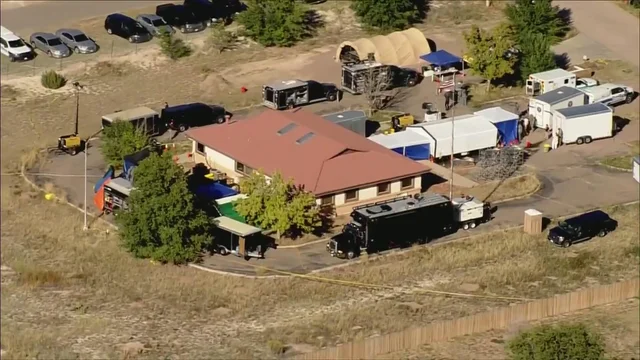
Colorado Funeral Home Plea Deal Rejected Amid Public Outrage
A Colorado judge has rejected a plea deal for a funeral home owner accused of stashing nearly 190 decaying bodies in a bug-infested building, following emotional pleas from grieving families who said the proposed 15 to 20-year prison term was far too lenient.
The shocking case has drawn national attention, sparking widespread outrage and renewed calls for stricter oversight of the funeral industry in the state.
A Disturbing Discovery in Penrose
Authorities discovered the gruesome scene last year inside a facility operated by Return to Nature Funeral Home, located in Penrose, Colorado.
Investigators said they found dozens of decomposing human remains, many of which had been there for months. The smell and conditions were described as “overwhelming.”
Local law enforcement officials initially believed the facility was handling eco-friendly cremations, but instead found unrefrigerated corpses stacked in rooms infested with maggots and insects.
“This was not a case of neglect — this was deliberate deception,” prosecutors told the court.
Judge Rejects Plea Deal After Families Object
During Friday’s hearing, family members of the deceased made emotional appeals urging the court to reject the plea deal.
Several relatives testified that they had entrusted the funeral home with their loved ones’ remains, only to learn later that the bodies had never been cremated.
“We were lied to. Our family members were treated like garbage,” one victim’s sister said tearfully in court.
The judge agreed with the families, saying the plea deal did not reflect the gravity of the crime.
“The court cannot, in good conscience, accept an agreement that undermines justice for nearly 200 victims,” the judge said.
Prosecutors and Defense Respond
The prosecutors behind the case defended their initial deal, saying it would have spared families from reliving traumatic details during a lengthy trial.
However, with the judge’s rejection, the case will likely proceed to full trial later this year, potentially leading to a harsher sentence if convicted.
The defense argued that the accused, identified as Megan Hess, never intended harm and that mental health struggles played a role in the mismanagement of the funeral home.
Still, prosecutors countered that Hess profited financially from her deception, continuing to accept payments for cremation services she never performed.
Public Reaction and Political Fallout
The Colorado funeral home plea deal has triggered intense public backlash. Social media users and advocacy groups are demanding new state regulations and routine inspections of funeral facilities.
Governor Jared Polis called the case “a heartbreaking betrayal of public trust” and promised to strengthen laws governing funeral homes and mortuary services.
“Families deserve dignity and transparency when saying goodbye to loved ones,” Polis said in a public statement.
Community members in Penrose held a vigil outside the courthouse, lighting candles for the victims and demanding maximum penalties for those responsible.
What Comes Next
Legal experts say the rejection of the plea deal marks a major turning point in the case. The trial could bring new evidence to light about how long the deception went on and whether others within the company were involved.
If convicted at trial, Hess could face decades in prison, far exceeding the original 20-year deal that was rejected.
The Colorado funeral home scandal serves as a grim reminder of the importance of regulating the funeral industry and holding operators accountable for ethical and legal misconduct.