Pratik Kamble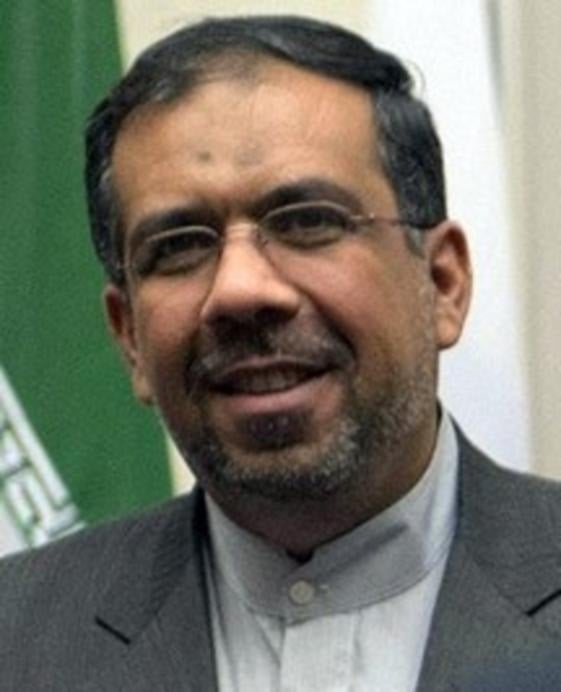
Gholamhossein Mohammadnia and the Levinson Disappearance
Gholamhossein Mohammadnia, a high-ranking official in Iran’s Ministry of Intelligence and Security, has been designated by the U.S. for his role in the disappearance of retired FBI Special Agent Robert A. Levinson. Levinson vanished on March 9, 2007, after traveling to Kish Island, Iran. Since that day, he has not been publicly seen or heard from.
Evidence collected in 2010 and 2011 included photographs and a video showing Levinson in captivity. These materials highlighted the severity of his situation and raised concerns about Iran’s involvement in his abduction. The case has remained a top priority for the FBI for years.
In March 2025, the United States Department of the Treasury officially sanctioned Mohammadnia and others connected to Levinson’s disappearance. The designation points to their involvement in his abduction, detention, and probable death. U.S. authorities continue to seek justice and accountability for those responsible.
The investigation has focused on identifying Iranian officials who played key roles in Levinson’s detention. Mohammadnia’s inclusion in the sanctions list marks a significant step in this process. Authorities believe that Iran attempted to cover up its responsibility for the case, which has been under scrutiny for nearly two decades.
Robert Levinson’s disappearance has affected many in law enforcement and intelligence communities. He served with distinction as an FBI agent before retiring. His family has also continued to advocate for answers about his fate, demanding that all those responsible be held accountable.
The FBI’s ongoing efforts reflect the seriousness with which the U.S. treats cases of international abduction and human rights violations. By publicly naming and sanctioning individuals like Mohammadnia, the United States aims to pressure Iran to provide information and cooperate with international norms.
While the case remains unresolved, each action, including sanctions, video evidence, and investigations, contributes to uncovering the truth. The United States continues to pursue justice for Robert Levinson and to identify other officials who may be involved.
The Levinson case serves as a reminder of the risks faced by individuals working abroad in sensitive areas. It also underscores the importance of international accountability when human rights violations occur. Authorities remain committed to solving this decades-long mystery and ensuring that those responsible face consequences for their actions.