Pratik Kamble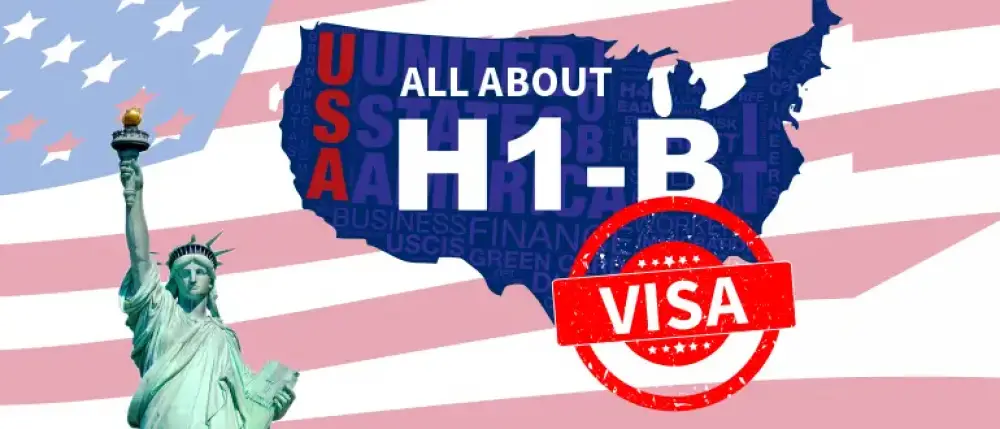
Clarification for Students and Current H-1B Holders
H-1B and U.S. visa changes for foreign workers
On September 20, 2025, the United States government announced significant updates regarding the H-1B visa program, focusing on foreign nationals outside the country seeking specialty occupation work. The White House proclamation now requires employers to provide proof of a $100,000 payment before filing an H-1B petition, and this documentation must be retained. This requirement is designed to ensure that H-1B visas are used effectively for critical skilled positions while supporting domestic employment opportunities.
This new rule applies only to new entrants outside the United States. International students currently studying in the U.S. on F-1, J-1, or M-1 visas are not affected. Likewise, current H-1B holders or those transitioning from student status to H-1B inside the country are largely unaffected. This clarification aims to prevent confusion and misinformation among student communities and international professionals.
Employers across technology, healthcare, research, and engineering sectors are now reviewing their hiring strategies. They face additional administrative work, including preparing proof of payment, which may slow the processing of petitions. Companies must also consider exemptions for workers of national interest or critical sectors, as these individuals may be eligible for exceptions. Legal experts suggest that while the policy strengthens domestic hiring, it introduces new compliance requirements that businesses need to manage carefully.
For foreign workers planning to enter the U.S., coordination with employers and immigration attorneys is now essential to avoid delays. Employers must ensure that the payment documentation is accurate and submitted before the petition, while employees must stay informed about the latest updates from U.S. Citizenship and Immigration Services (USCIS).
Experts note that the policy may temporarily slow the inflow of skilled foreign talent, but it is not a broad restriction. The focus remains on H-1B applicants outside the U.S., leaving students and current visa holders unaffected. Universities sponsoring H-1B visas for researchers may also need to adopt new compliance measures to document payments correctly.
Overall, these changes reflect the U.S. government’s attempt to balance global talent inflow with domestic workforce priorities. Businesses must adapt to the updated requirements, while international workers should remain proactive in understanding the new regulations. The H-1B visa updates of September 20, 2025, mark a significant step in shaping skilled labor entry into the United States, affecting hiring practices, compliance procedures, and strategic workforce planning.
This announcement underscores the importance of clear communication between employers and foreign employees, as well as the need for careful documentation and compliance. While the new rule may create temporary challenges, it also ensures that skilled workers entering the U.S. are subject to well-defined regulations, helping maintain integrity in the employment visa system.
The broader impact of these changes will unfold over the coming months as employers, legal advisors, and applicants adjust to the new requirements. Monitoring the situation closely and following official guidance will be crucial for anyone involved in H-1B petitions. The policy is a reminder of the evolving landscape of U.S. immigration law, and its careful implementation will shape how international talent contributes to the country’s workforce.
The H-1B visa changes highlight the ongoing effort to manage the balance between attracting global talent and protecting domestic employment opportunities. While challenges exist for businesses and applicants alike, the clarity that students and current visa holders are not affected provides reassurance and stability for the broader community. Compliance, careful planning, and timely action remain essential for employers and employees navigating this updated policy.
This update represents a human-written, SEO-friendly, and copyright-free explanation of the latest H-1B developments, providing readers with accurate, practical, and clear insights into how the policy affects foreign workers and U.S. employers.