Pratik Kamble
Hong Kong Haunted Apartments Offer Renters Massive Savings
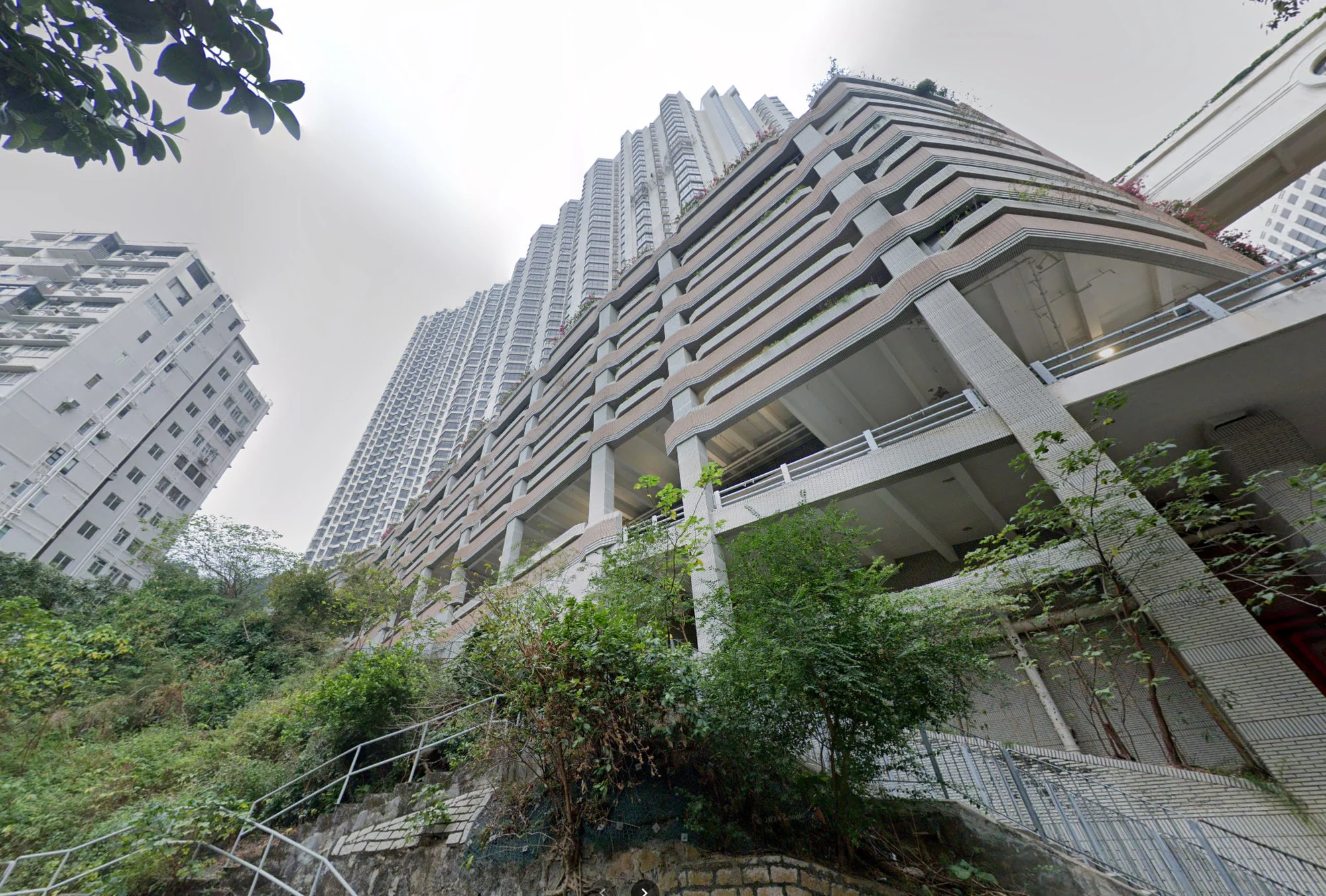
In land-starved Hong Kong, even a small, basic apartment can swallow up nearly half of an average monthly salary.
But as housing prices continue to surge, a curious trend has emerged — some daring tenants are deliberately seeking “haunted apartments” linked to deaths or crimes to secure affordable rent.
The practice, while unsettling to many, is gaining popularity among younger residents who are struggling to find affordable homes in one of the world’s most expensive real estate markets.
The High Price of Living in Hong Kong
Hong Kong consistently ranks among the most expensive cities for housing.
A small studio apartment, often located far from the city center, can easily cost more than HK$15,000 ($1,900) per month.
For many working professionals, that translates to nearly 50% of their income — leaving little room for other expenses.
With limited land and sky-high demand, prices show no signs of dropping, forcing renters to look for unconventional alternatives.
Why Haunted Apartments Are Cheaper
In Hong Kong, any property where a murder, suicide, or unnatural death occurred is officially classified as a “hongza” flat — meaning “haunted” in Cantonese.
These units often rent for 20% to 50% less than similar apartments in the same building.
Real estate agents confirm that “psychological stigma” around such properties drastically reduces their value, even though the homes are structurally sound and located in prime neighborhoods.
For some pragmatic renters, superstition means big savings.
“Renting a hongza flat doesn’t scare me,” said one resident. “The living costs here are more frightening than ghosts.”
Cultural Beliefs and Real Estate Stigma
Belief in ghosts and spiritual energy is deeply rooted in Chinese and Hong Kong culture.
Many residents avoid living in homes associated with death, fearing bad luck, restless spirits, or negative energy.
This cultural aversion makes haunted apartments sit vacant for long periods — a fact that bold tenants are now turning to their advantage.
“It’s a risk some are willing to take,” said a local housing analyst. “In a city where affordability is out of reach, superstition becomes an economic opportunity.”
Real Estate Agents List Haunted Homes Separately
Interestingly, Hong Kong property websites now maintain dedicated sections for “haunted flats”, allowing renters to browse and compare prices.
These listings clearly mention details like when and how the incident occurred — giving tenants the option to decide if they’re comfortable.
Some property agents even market these apartments as “budget-friendly homes with history”, highlighting their excellent locations and renovated interiors.
Growing Acceptance Among Young Renters
A generational shift appears to be underway.
Younger Hong Kong residents, less influenced by traditional superstitions, are viewing haunted apartments as smart financial choices.
For them, the decision is practical — not paranormal.
As one university student noted:
“Ghosts don’t pay rent, so I’m happy to save 40% every month.”
This mindset reflects how economic realities are reshaping attitudes toward cultural taboos, especially among younger urban populations.
Haunted or Not — A Symbol of Housing Crisis
The rise in demand for Hong Kong haunted apartments paints a stark picture of the region’s worsening housing affordability crisis.
While superstition once kept such homes empty, today’s renters see them as a rare opportunity in an impossible market.
Experts believe this growing acceptance is both a social and economic shift, driven by necessity — and a reminder that in Hong Kong, even ghosts can’t escape the housing crunch.
c