Pratik Kamble
ICE Agents Chicago: White House Criticizes Mayor Johnson
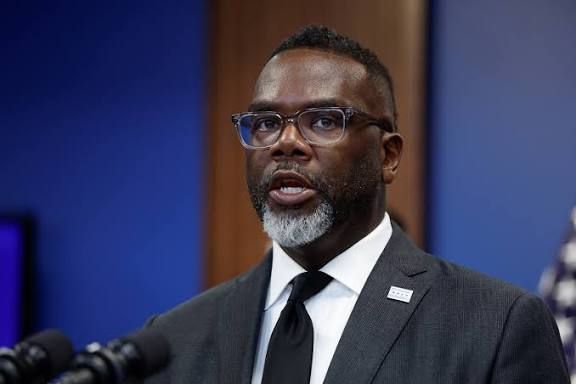
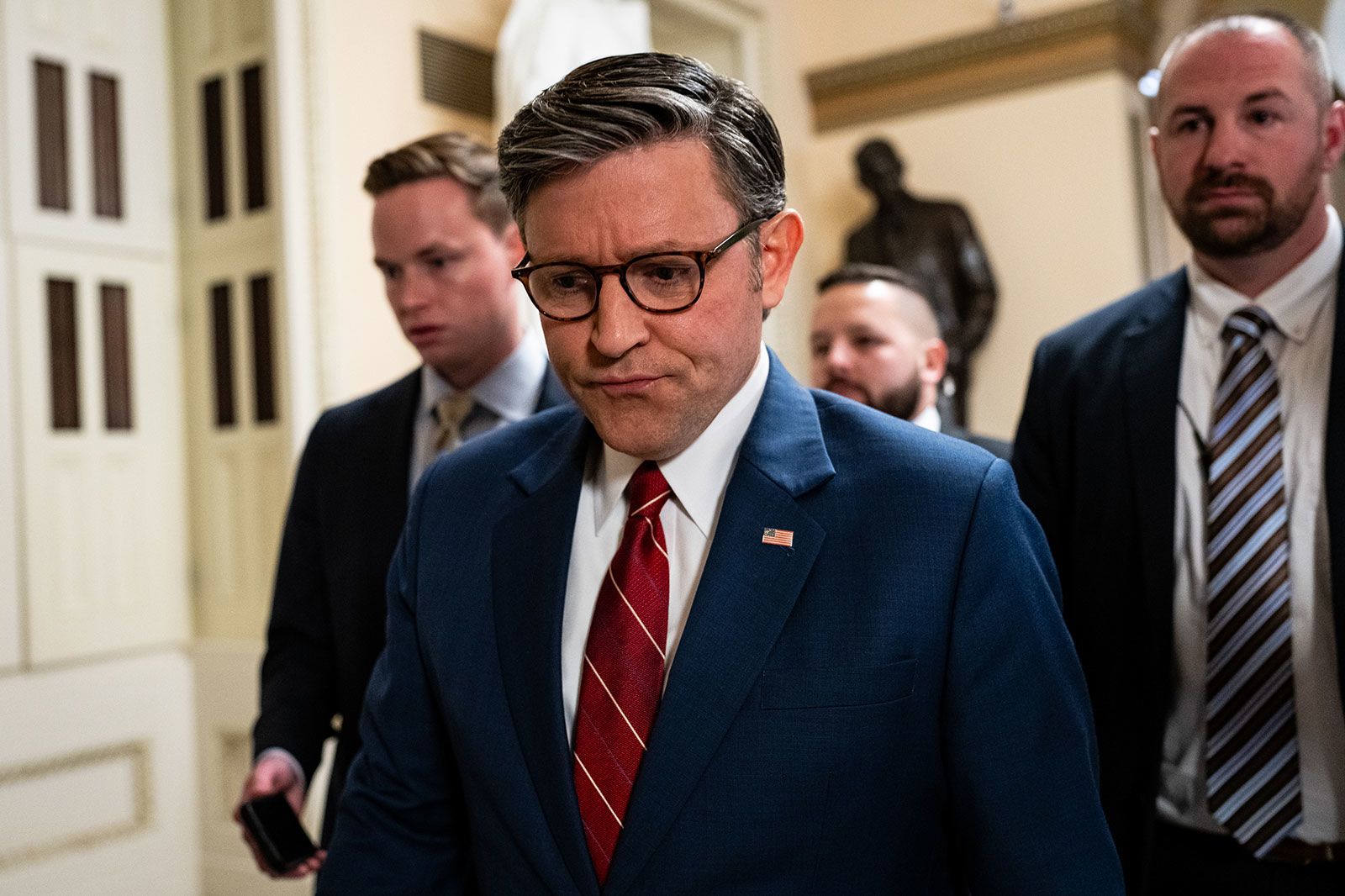
The White House on Monday strongly criticized Chicago Mayor Brandon Johnson after he signed an executive order blocking ICE agents Chicago operations on city property. The move escalates tensions between federal authorities and city officials over immigration enforcement policies.
Mayor Johnson defended his decision, stating the order protects undocumented residents and limits federal interference in local matters. However, federal officials argue that this could hinder national security efforts and complicate law enforcement coordination.
What the Executive Order Means
The executive order effectively restricts ICE agents Chicago from accessing city buildings, including police stations and municipal offices. City officials claim this policy ensures that immigrants can access public services without fear of federal enforcement.
The White House, however, emphasized that the order undermines federal immigration laws. Officials warned that such local policies could create a fragmented system where federal agencies cannot effectively enforce national laws.
Reactions from Federal and Local Leaders
The White House statement criticized Mayor Johnson, highlighting concerns that restricting ICE agents Chicago could encourage illegal immigration and jeopardize public safety.
Local leaders supporting the mayor argue that the policy strengthens trust between immigrant communities and city officials. They claim residents are more likely to report crimes and cooperate with law enforcement if they do not fear deportation.
Implications for Immigration Enforcement
The executive order could lead to legal battles between the federal government and the city of Chicago. Immigration experts suggest that restricting ICE agents Chicago access to municipal property may delay investigations and complicate enforcement of federal laws.
Meanwhile, advocacy groups praise the move, saying it protects vulnerable residents from federal overreach. The situation highlights ongoing debates between local autonomy and federal authority in immigration policy.