Pratik Kamble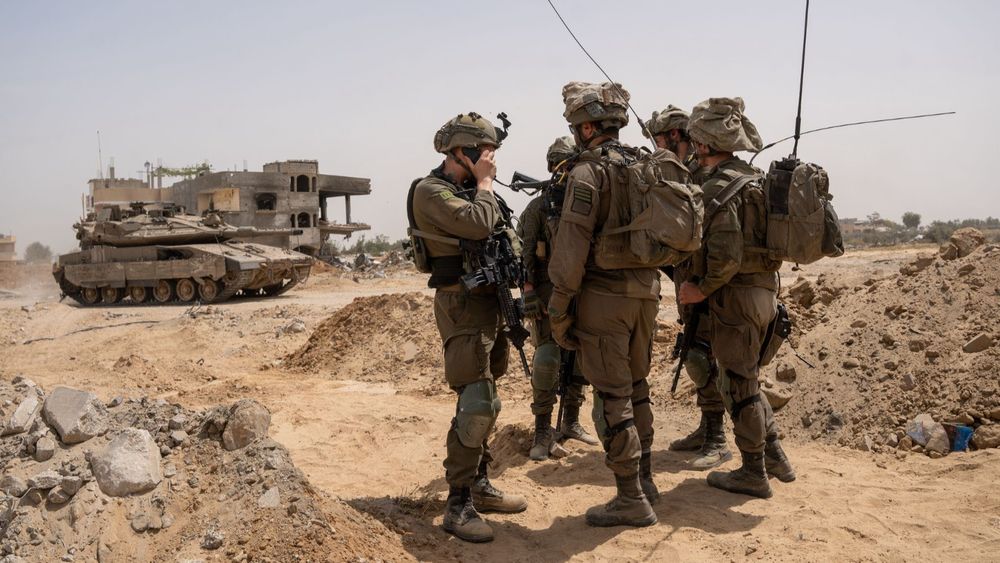
Hamas Accused of Breaching the Ceasefire
The renewed hostilities follow several days of escalating tension after Hamas militants allegedly fired short-range rockets toward Israeli border towns late Tuesday night.
Though no casualties were reported, the attacks were seen as a direct violation of the U.N.-mediated ceasefire that came into effect two weeks ago.
Local reports indicate that three Hamas observation posts and two logistical centers were destroyed during the IDF’s overnight response. Residents near Khan Yunis and Rafah reported hearing multiple explosions, followed by the sound of drones overhead.
A senior Israeli official, speaking on condition of anonymity, said the strikes were “limited and defensive in nature,” meant to deter future aggression without escalating into full-scale conflict.
International Reactions and Diplomatic Concerns
The latest round of violence drew swift concern from U.N. Secretary-General António Guterres, who called on both parties to exercise restraint and uphold the truce agreement.
“The fragile ceasefire must be preserved,” Guterres said in a statement. “Any violation risks plunging civilians back into suffering and instability.”
Meanwhile, U.S. State Department spokesperson Matthew Miller reaffirmed Washington’s support for Israel’s right to self-defense but urged both sides to maintain “de-escalation and dialogue.”
Regional analysts note that the renewed military operations may complicate ongoing peace efforts brokered by Egypt and Qatar, aimed at creating a longer-term framework for stability in Gaza.
Inside the Yellow Line: Strategic Operations Continue
Israeli defense sources confirmed that operations within the Yellow Line—a designated military boundary near the Gaza border—will continue “as long as Hamas persists in violating ceasefire terms.”
Satellite imagery shared by defense correspondents shows precision strikes on underground infrastructure suspected to be part of Hamas’s command network.
Officials described the campaign as a “surgical mission,” emphasizing that civilian harm was minimized through pre-strike intelligence verification.
“The IDF will continue to act wherever Hamas endangers Israeli civilians,” the military’s spokesperson added. “We remain committed to restoring calm and security.”
Public and Political Reaction in Israel
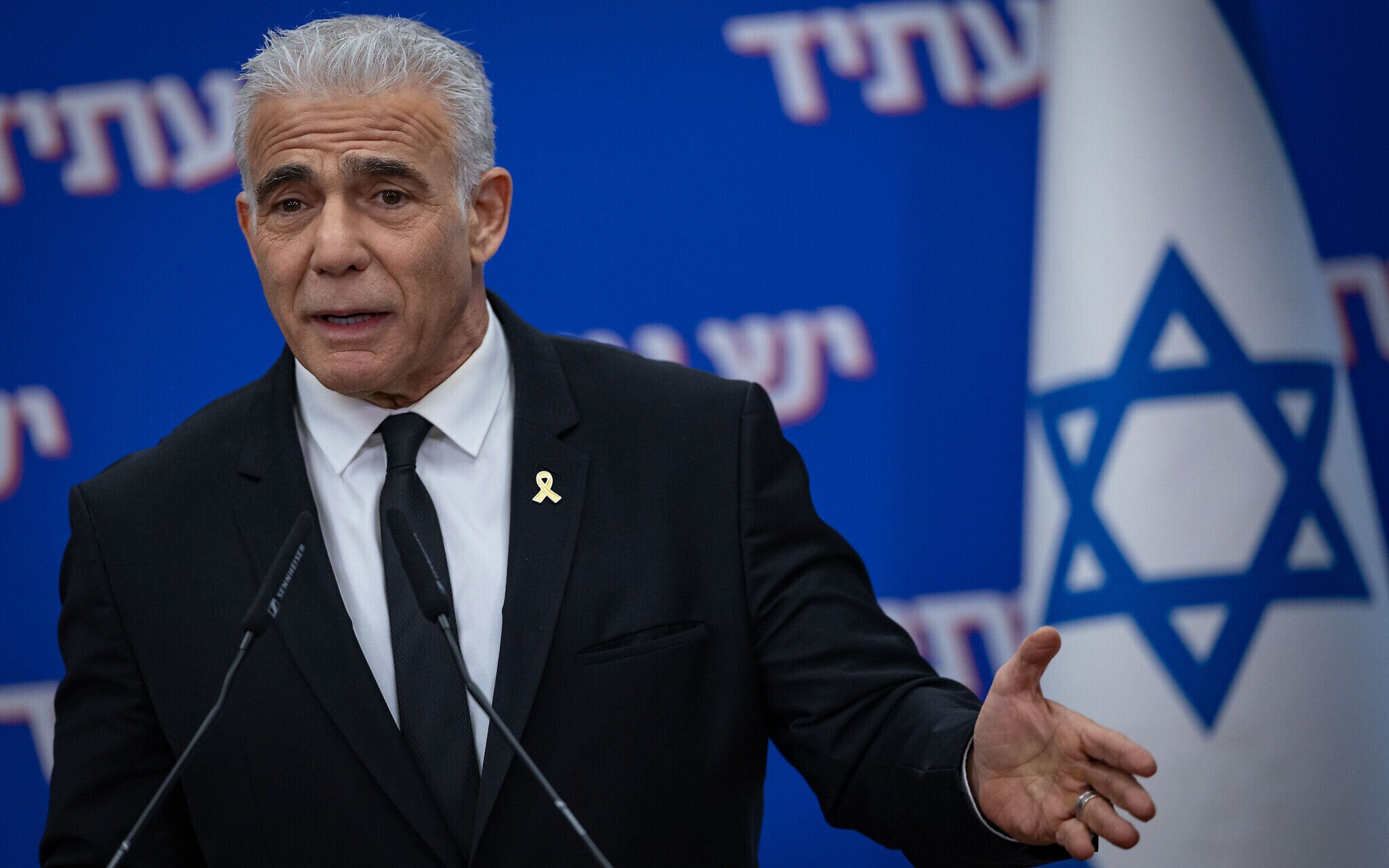
Within Israel, the government’s response has received broad support across party lines. Opposition leader Yair Lapid stated that “no ceasefire can exist if one side keeps breaking it,” while Defense Minister Yoav Gallant praised the IDF’s precision tactics and intelligence coordination.
Public sentiment, however, remains cautious. Many Israelis expressed concern that repeated flare-ups could derail the fragile ceasefire and lead to another extended conflict in Gaza.
As tensions simmer, analysts warn that any further Hamas provocations could trigger a stronger Israeli response, potentially threatening months of diplomatic progress.