Pratik Kamble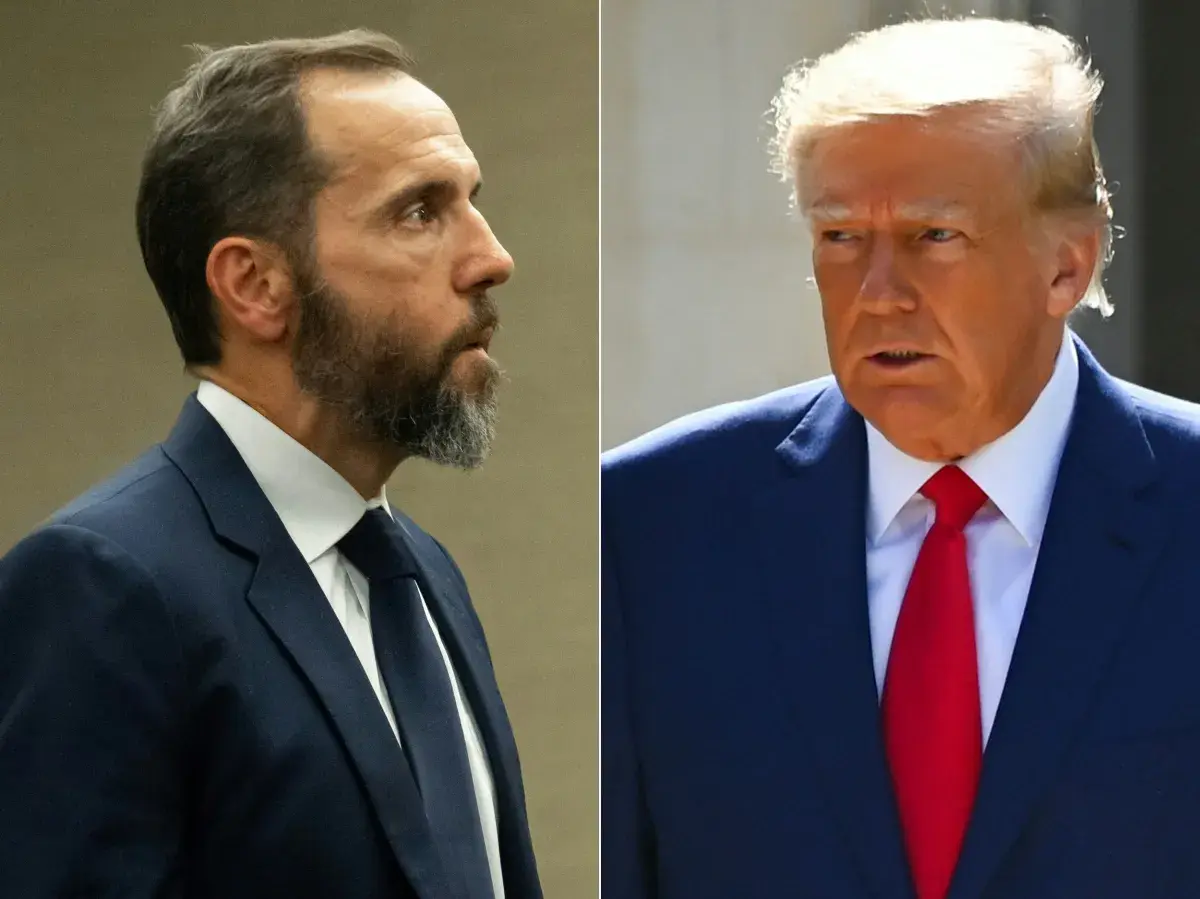
Jack Smith’s Florida Trump Case Under DOJ Review
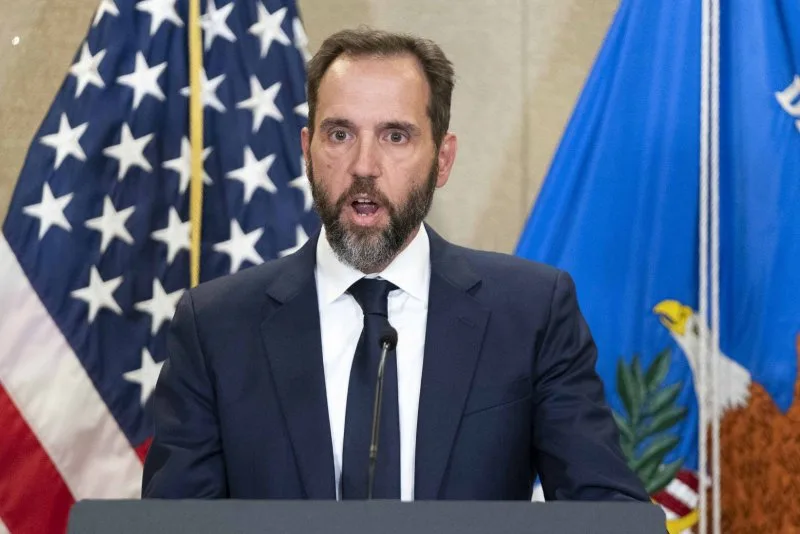
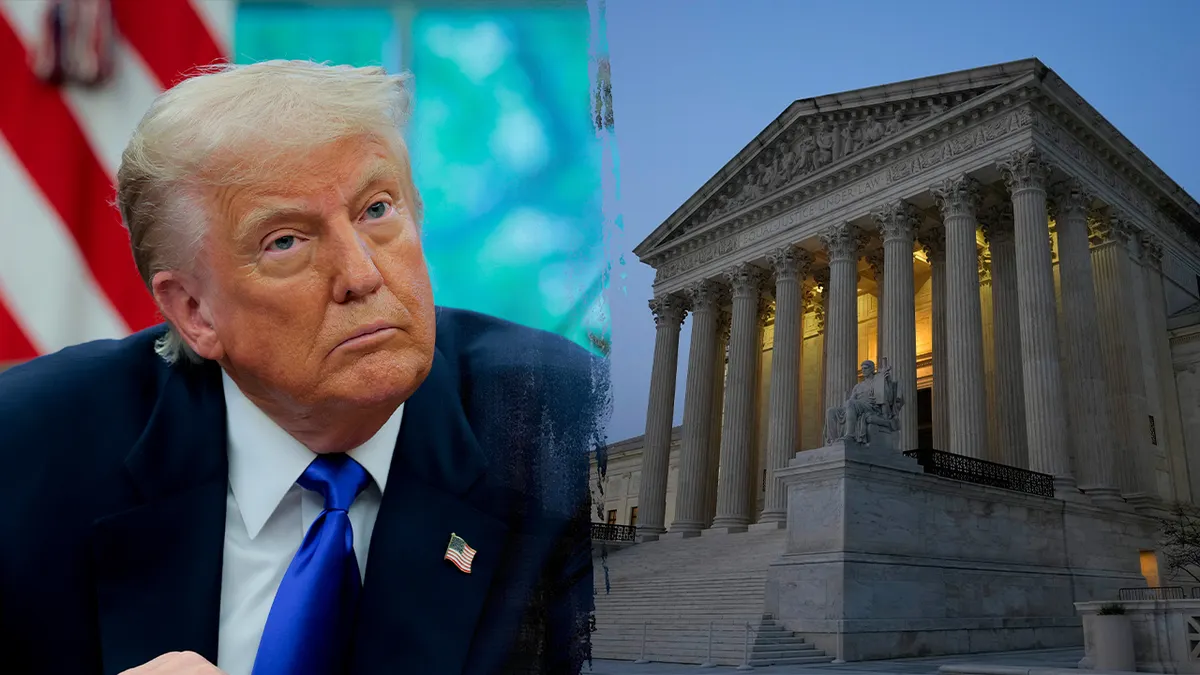
A pivotal decision by Special Counsel Jack Smith to bring charges against President Donald Trump in Florida instead of Washington, D.C. is facing renewed scrutiny inside the Justice Department after the prosecution’s collapse this summer.
The once-high-profile case—intended to be a defining moment for the special counsel’s office—has now become a flashpoint for debate within the department, raising questions about venue selection, strategy, and political optics.
Why Jack Smith Chose Florida
When Smith’s team filed the indictment in South Florida, they believed the location would demonstrate fairness by trying Trump in a jurisdiction closely connected to the alleged events. Florida was the site where key evidence involving classified documents was reportedly discovered, strengthening the legal rationale for that venue.
However, critics within the DOJ now argue that the decision exposed the case to a more conservative jury pool and judicial skepticism, ultimately contributing to its downfall. Several insiders say senior officials urged Smith to file in Washington, D.C., where the Justice Department had historically won similar cases.
Inside DOJ Reactions
According to department sources, internal reviews are now examining why Smith’s team resisted recommendations to move the prosecution. Officials close to Attorney General Merrick Garland have reportedly expressed frustration that political caution trumped legal strategy, leading to an avoidable loss.
“It was a calculated risk that didn’t pay off,” said one DOJ official familiar with the review. “The venue mattered more than anyone wanted to admit.”
The review is not an investigation of misconduct but rather an assessment aimed at improving future high-profile prosecutions.
Political Implications for Trump and Smith
For Donald Trump, the failed Florida case represents a major legal victory and a political talking point ahead of the 2025 campaign cycle. Trump’s allies have seized on the collapse as proof of bias and overreach by the Justice Department.
Meanwhile, Jack Smith’s reputation—once bolstered by his aggressive pursuit of complex cases—faces challenges. Observers note that Smith must now defend both his tactical choices and his ability to manage politically charged prosecutions.
Political strategists suggest that the controversy could influence future DOJ decisions, especially in how special counsels weigh venue politics versus evidentiary strength.
Legal Analysts Weigh In
Legal experts remain divided. Some defend Smith’s move as legally sound, citing constitutional requirements that prosecutions occur where alleged crimes took place. Others insist that Washington, D.C., with its broader federal infrastructure, would have provided a more consistent environment for handling sensitive national-security information.
“Every venue carries risk,” noted constitutional lawyer Emily Hartman. “Florida offered factual relevance but limited predictability. Smith gambled on credibility and lost on control.”
What Comes Next
The Justice Department is reportedly preparing an internal report summarizing the lessons learned from the Florida experience. Though no disciplinary actions are expected, the document will likely emphasize early venue analysis and political risk management for future special-counsel cases.
For Smith, the scrutiny adds new pressure as his office continues to handle remaining Trump-related investigations. Despite criticism, allies maintain he acted “by the book” and will continue pursuing evidence “wherever it leads.”