Pratik Kamble
Kash Patel SPLC Controversy Over Hate List Sparks National Debate
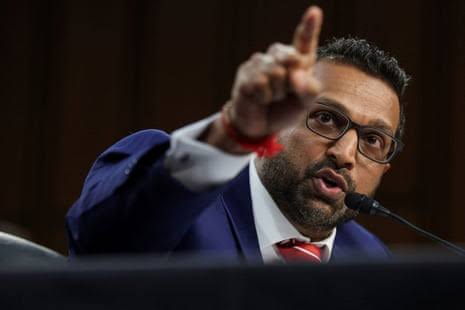
The Kash Patel SPLC controversy has stirred intense political debate across the United States. On Friday’s “The Right Squad,” a panel discussed Patel’s decision to officially cut ties with the Southern Poverty Law Center (SPLC) — a move that comes amid growing criticism of the organization’s so-called “hate list.”
Patel, who recently became FBI Director, said his decision was based on the SPLC’s continued targeting of conservative figures and groups, including Charlie Kirk, Turning Point USA, and other right-leaning organizations. His comments have reignited discussions about bias, free speech, and the limits of nonprofit activism in American politics.
Background: SPLC’s Role and Criticism
The Southern Poverty Law Center, founded in 1971, is known for tracking extremist organizations in the United States. While its early work focused on civil rights and anti-racism efforts, critics now argue that the SPLC has become overly partisan.
Over the past decade, the SPLC has faced several controversies for allegedly labeling conservative or religious groups as “hate organizations.” Figures such as Charlie Kirk and Ben Shapiro have accused the center of defamation and political bias.
Patel’s decision to sever ties reflects a broader distrust among conservatives who feel unfairly targeted by the SPLC’s public reports and media influence.
Kash Patel’s Statement and Reasoning
During Friday’s broadcast, Patel stated that he could no longer align himself with an organization that, in his words, “weaponizes social labels to silence political opponents.” He emphasized that the SPLC’s hate list once served a purpose in identifying genuine threats but has since “drifted into activism masquerading as analysis.”
Patel also underscored that institutions tied to justice or security should remain nonpartisan and evidence-driven. His comments resonated strongly with conservatives who have long criticized what they see as double standards in political discourse.
Reactions from the Political Spectrum
The Kash Patel SPLC controversy has split public opinion sharply. Conservative commentators praised Patel’s move as “a stand for truth,” while liberal analysts accused him of undermining a historically respected civil rights organization.
Charlie Kirk, founder of Turning Point USA, publicly thanked Patel on X (formerly Twitter), saying, “Finally, someone in power is calling out the hypocrisy.” Meanwhile, SPLC representatives defended their work, stating that their research continues to “expose hate in all forms, regardless of ideology.”
This ongoing clash illustrates how polarized American politics has become — even over issues once considered moral or humanitarian.
Broader Implications for Civil Discourse
Experts suggest that Patel’s break with the SPLC could signal a shift in how government officials interact with politically active nonprofits. Some analysts fear this could deepen mistrust between advocacy groups and public institutions, while others believe it’s a necessary step to restore balance and transparency.
If more leaders follow Patel’s path, organizations like the SPLC may face increased scrutiny regarding their methodologies, funding sources, and impact on public opinion.
Media and Public Perception
Media reactions to the Kash Patel SPLC controversy have been predictably divided. Right-leaning outlets framed it as a victory for fairness, while progressive publications portrayed Patel as aligning with far-right narratives.
Despite the divide, one fact remains: Patel’s move has brought national attention to how watchdog groups label individuals and the consequences of those designations in today’s hyper-connected world.