Pratik Kamble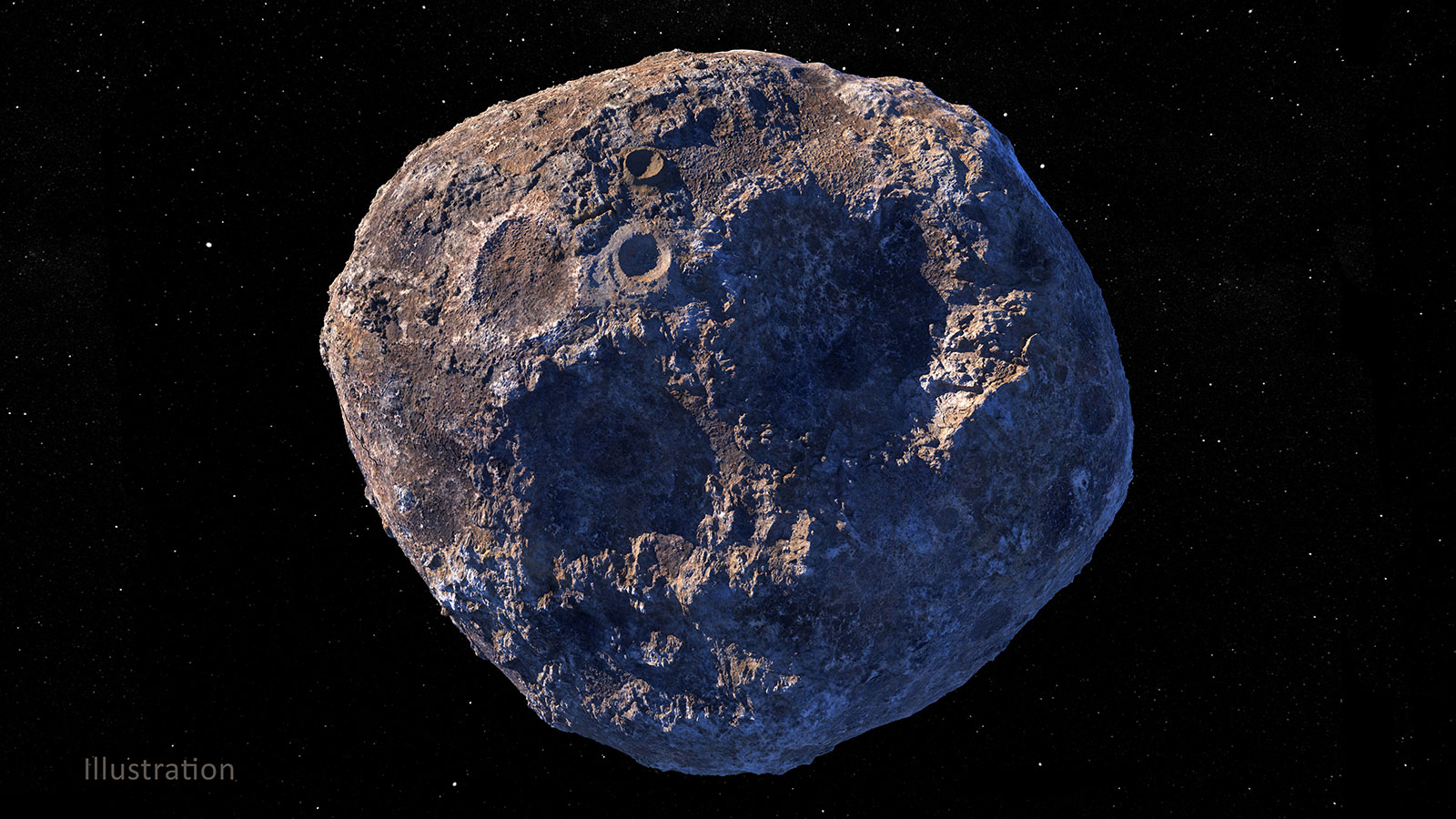
NASA Confirms Safe Flyby of Asteroid 2025 FA22
On September 23, 2025, NASA scientists confirmed that a massive asteroid named 2025 FA22 recently made a close approach to Earth, capturing worldwide attention. While the asteroid is considered large, with an estimated size between 130 and 290 meters, experts reassure the public that there was never any risk of collision. Instead, this flyby became an important scientific opportunity to study a near-Earth object in detail.
Asteroid 2025 FA22 and Its Discovery
The asteroid was first discovered in March 2025 by astronomers using the Pan-STARRS 2 telescope in Hawaii. Early calculations suggested a very small possibility that it could pose a risk in the distant future, particularly around the year 2089. Because of this uncertainty, it was briefly added to the European Space Agency’s “risk list” of potentially hazardous asteroids. However, as more telescopes observed its path, the orbital details became clearer, and scientists confirmed that there is no threat to our planet. The asteroid has since been removed from the risk list.
How Close Did It Come to Earth?
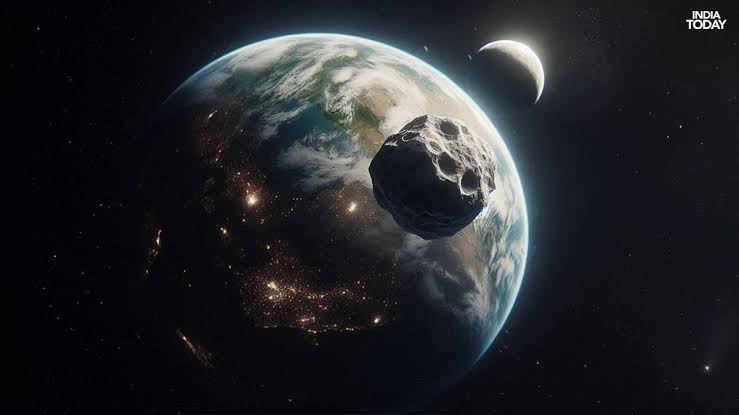
The closest approach took place on September 18, 2025, at 07:41 UTC. At that moment, 2025 FA22 passed at just over twice the distance of the Moon from Earth. While that might sound close, in space terms it is still a safe distance. The fact that it came relatively near, however, made it bright enough for observatories around the world to track and study.
Why NASA Tracks Asteroids Closely
NASA and its international partners have ongoing programs to monitor and study near-Earth objects (NEOs). These programs are part of a broader effort known as planetary defense, which focuses on detecting, tracking, and understanding asteroids that pass close to Earth. Events like the flyby of 2025 FA22 allow scientists to:
Test and improve asteroid tracking methods
Measure size, rotation, and composition with greater accuracy
Refine orbital paths for future predictions
Train observation teams in handling close approaches
This knowledge not only adds to our understanding of space rocks but also ensures that, if a future asteroid were ever to pose a real danger, humanity would be better prepared.
Lessons From the Flyby
Although asteroid 2025 FA22 did not present any danger, it highlights the importance of constant monitoring. Large asteroids, especially those over 100 meters in size, could cause significant damage if they ever entered Earth’s atmosphere. Thankfully, with improved telescopes, radar systems, and international cooperation, scientists can now identify most large NEOs years or even decades before any potential close approach.
A Safe but Valuable Encounter
The September 2025 flyby demonstrates how modern astronomy balances public safety with scientific curiosity. While the asteroid passed safely at a cosmic distance, the data collected will help refine future planetary defense strategies. For the public, it is a reminder of how active our solar system is and how dedicated scientists are to ensuring that Earth remains safe from asteroid threats.