Pratik Kamble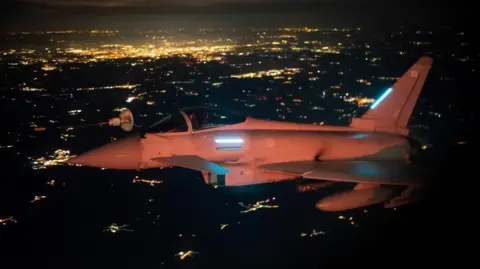
Poland Reacts to Russian Strikes
Poland’s Air Defense Readiness
Poland scrambled its fighter jets on 21 September 2025 after Russian forces launched one of their largest combined drone and missile attacks in weeks, striking targets across Ukraine and raising concerns along NATO’s eastern border. The incident, which came as Russian MiG-31 fighter jets were also reported to have violated Estonian airspace, has intensified discussions in Washington and Brussels about how far Moscow intends to test the alliance’s defenses.
Poland Reacts to Russian Strikes
Polish defense officials confirmed that air defense units were placed on full alert as Russian missiles and drones flew close to their frontier. The strikes were aimed at Ukrainian cities but posed a potential risk of crossing into NATO territory. Warsaw has faced similar incidents before, including debris from missile attacks landing inside Polish villages. Sunday’s alert demonstrated once again that while Ukraine is the direct target, NATO members remain vulnerable to the spillover of Russia’s war.
Poland’s quick decision to scramble jets highlights the country’s determination to defend its airspace. Over the last two years, Poland has invested heavily in modernizing its air defenses, often in partnership with the United States. This latest response showed both readiness and the seriousness with which Warsaw treats the threat of escalation.
Airspace Violations in Estonia
Adding to the tensions, Estonia reported that three Russian MiG-31 jets crossed into its airspace without permission. Estonian officials said the aircraft remained for around 12 minutes before leaving. Tallinn called the incident a grave violation of sovereignty and immediately informed NATO. Russia, however, rejected the claim, insisting its pilots were operating over neutral waters and had not entered Estonian skies.
Regardless of Moscow’s denial, the incursion fits a broader pattern of Russian military behavior around NATO borders. Regular flights by Russian jets near allied airspace have become more frequent, forcing NATO members to remain on constant alert.
U.S. and NATO Responses
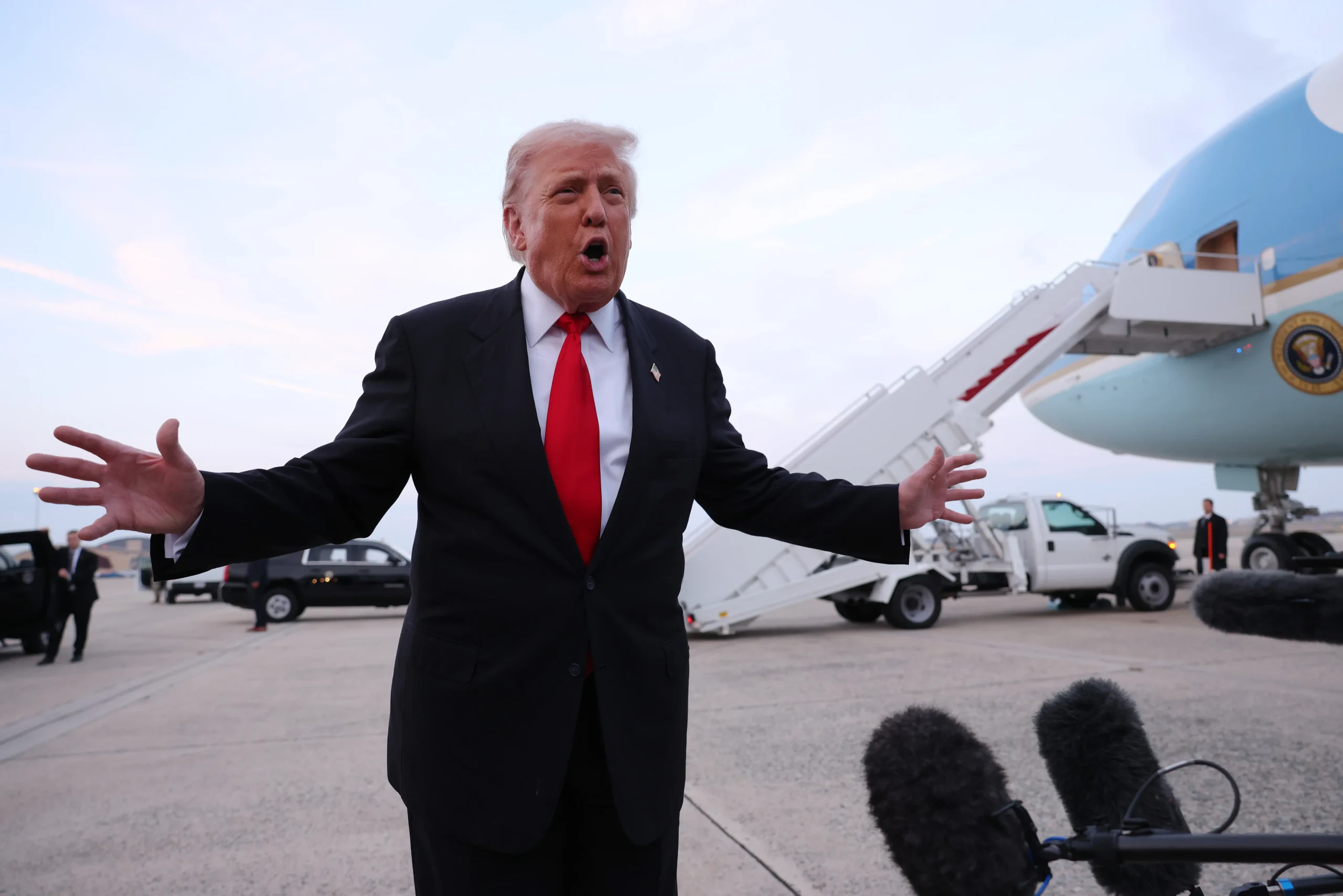
In Washington, President Donald Trump was asked about the incident and expressed his concern, saying he did not “love it” and warning that it could lead to “big trouble.” The remark echoed wider unease in the U.S. about Russia’s aggressive tactics. American defense officials stressed that NATO would continue to defend every inch of allied airspace.
&nsp;
The alliance has already responded by deploying more aircraft to its eastern flank, boosting surveillance, and strengthening rapid-response capabilities. For NATO leaders, the goal is twofold: to reassure member states like Poland and Estonia, and to deter Russia from escalating further.
Escalation Risks in Eastern Europe
The events of 21 September 2025 illustrate how fragile the security situation has become in Eastern Europe. On one side, Russia continues to launch missile and drone strikes on Ukraine, many of which occur near NATO borders. On the other, direct airspace breaches—such as the one reported by Estonia—create flashpoints that could trigger an alliance response.
Military analysts warn that the risk of miscalculation is growing. Each incident forces NATO to demonstrate unity while carefully avoiding direct confrontation with Russia. Poland, due to its geography and active support for Ukraine, finds itself at the heart of this balancing act.