Pratik Kamble
Senate Republicans Food Aid Bill Block Sparks Public Outcry
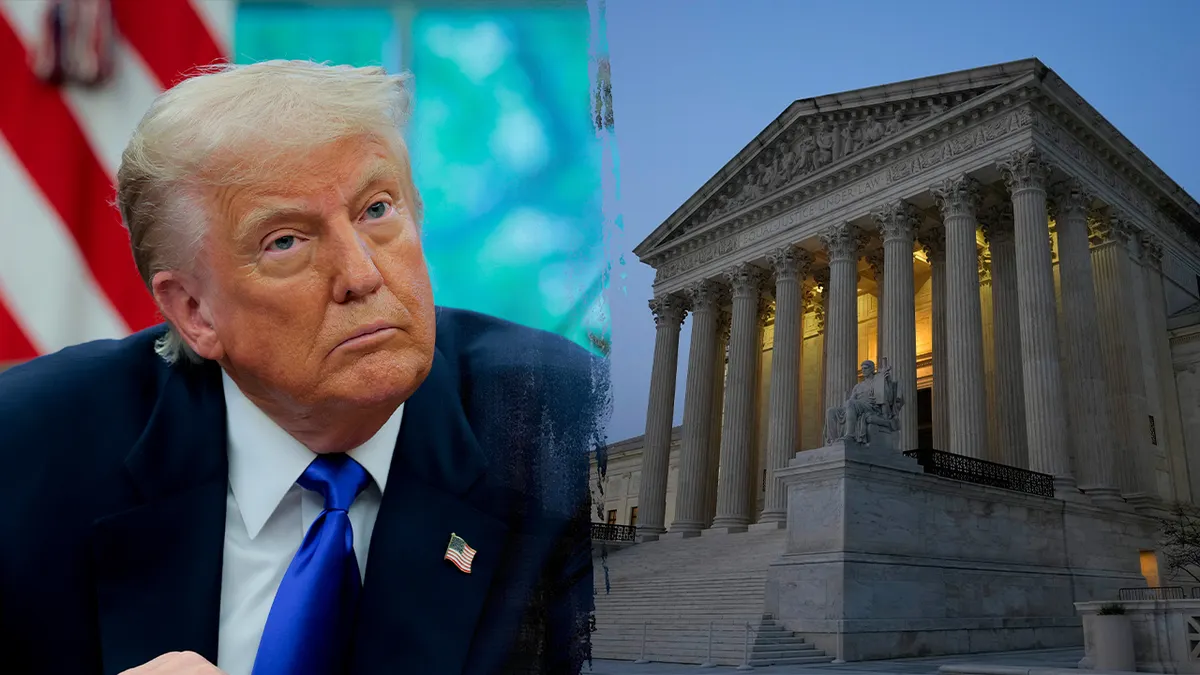
In a major political standoff, Senate Republicans on Wednesday blocked a Democratic-led measure aimed at extending funding for federal food aid programs. The move has raised alarm over the fate of benefits for approximately 42 million Americans, who rely on these essential nutrition services.
The decision comes amid an ongoing government shutdown, intensifying fears that Supplemental Nutrition Assistance Program (SNAP) benefits could lapse by the end of the week if Congress fails to act.
What Happened in the Senate Vote
The Senate Republicans food aid bill blockade unfolded as Democrats attempted to push through a short-term funding measure to keep key federal assistance programs running.
However, Republicans argued that the bill was a “partisan move” that ignored their broader concerns about government spending, immigration, and economic policy.
“We can’t keep writing blank checks without addressing the root causes of this fiscal crisis,” said one GOP senator during the debate.
The vote effectively stalled efforts to protect programs like SNAP, WIC (Women, Infants, and Children), and school meal subsidies, which collectively serve tens of millions of low-income Americans.
Impact on 42 Million Americans
The potential lapse in food aid would directly impact 42 million citizens, many of whom depend on SNAP benefits to afford basic groceries.
According to the U.S. Department of Agriculture (USDA), funding disruptions could result in delays or reductions in monthly benefits, hitting low-income families, seniors, and single parents the hardest.
Food banks and non-profit organizations across the country are already preparing for a surge in demand if the shutdown continues.
“We’re bracing for a wave of food insecurity,” said a spokesperson for Feeding America. “If SNAP stops, we’ll see long lines at pantries within days.”
Democrats Criticize the Blockade
Democratic leaders condemned the Republican move as “reckless and cruel,” accusing the GOP of holding working families hostage in a broader political fight.
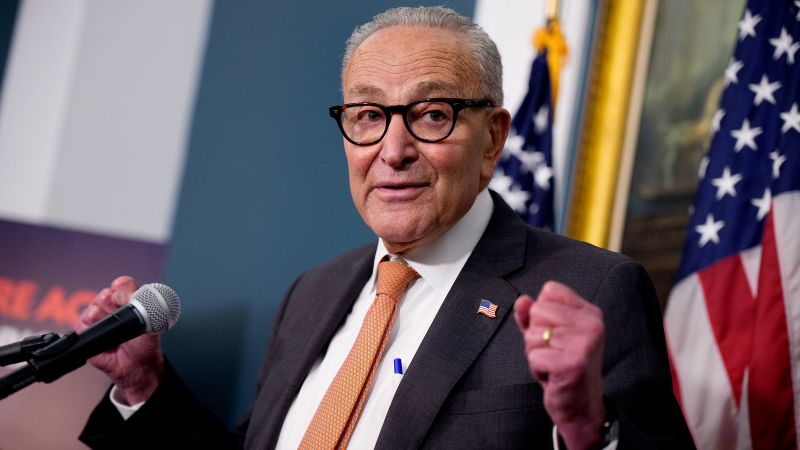
“No American should go hungry because of political games in Washington,” said Senate Majority Leader Chuck Schumer.
“This isn’t about politics — it’s about people.”
The White House also weighed in, warning that the failure to renew food assistance funding could exacerbate inflation and economic instability, especially among vulnerable communities.
Republican Response and Demands
Republicans defended their decision, arguing that Democrats’ bill was a temporary patch that avoided addressing larger fiscal concerns.
Some GOP members are pushing for spending cuts, border security reforms, and deficit reduction measures to be tied to any future funding extensions.
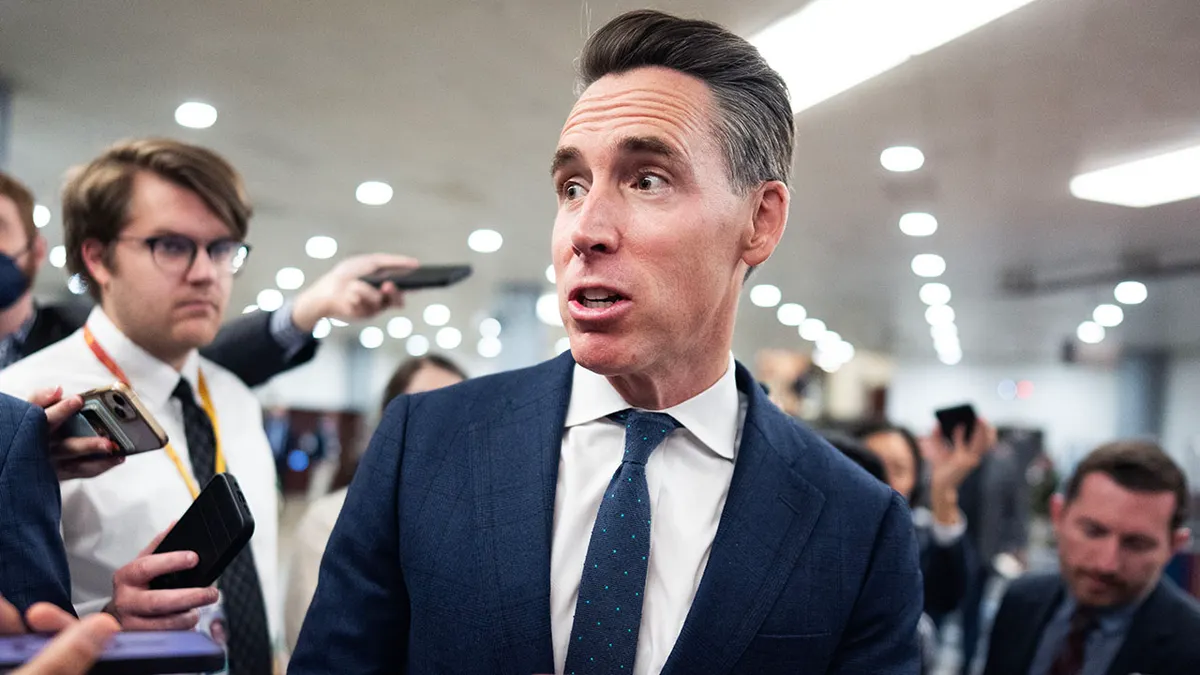
“We want real reform, not stopgap politics,” said Senator John Thune (R-SD), a key Republican negotiator.
“The American people deserve long-term solutions.”
What Happens Next
With the government shutdown dragging on and the Senate deadlocked, uncertainty looms large for millions of families.
Analysts warn that if a compromise isn’t reached soon, SNAP benefits could stop by the end of the week, leading to economic strain and rising hunger nationwide.
The Senate Republicans food aid bill impasse may also deepen partisan divides, further complicating future budget negotiations.
Meanwhile, advocacy groups are urging Congress to act swiftly, emphasizing that <
strong data-start=”4
268″ data-end=”4331″>food assistance is a basic necessity, not a bargaining chip