Pratik Kamble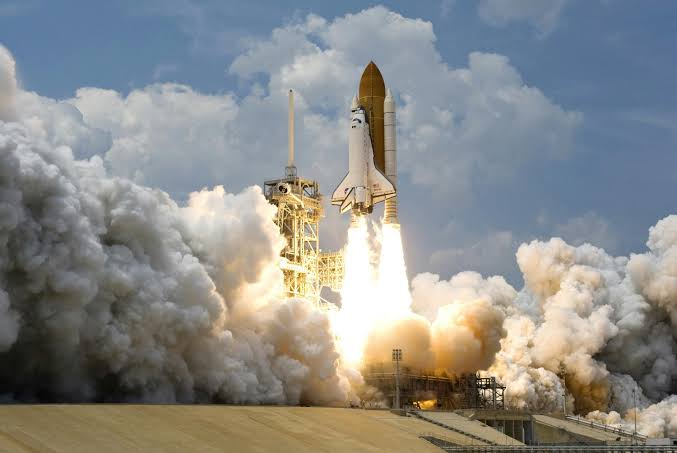
SpaceX Falcon 9 Launch Today from Cape Canaveral
rocket launch today
SpaceX once again captured the attention of space enthusiasts and technology followers across the globe with its latest launch from the United States on 21 September 2025. The company, led by Elon Musk, continues to push forward with its ambitious mission to expand global internet access and demonstrate reliable rocket reusability. Today’s launch took place at Cape Canaveral Space Force Station in Florida, where a Falcon 9 rocket lifted off into the morning skies carrying a fresh batch of 28 Starlink V2 Mini satellites into low Earth orbit.
The liftoff was scheduled for 6:53 a.m. Eastern Time (10:53 UTC), and thousands of viewers tuned in online as well as in person along Florida’s Space Coast. The launch marks another milestone in SpaceX’s series of Starlink missions that aim to provide high-speed, low-latency internet across the world, especially in rural and remote areas that lack strong connectivity.
One of the highlights of every Falcon 9 mission is the first-stage booster recovery. This time, the booster identified as B1085 was tasked with returning to Earth after propelling the satellites into orbit. About eight and a half minutes after liftoff, the booster attempted a landing on SpaceX’s autonomous droneship named A Shortfall of Gravitas, stationed in the Atlantic Ocean. These landings have become an iconic part of SpaceX launches, proving the success of reusable rocket technology that significantly reduces the cost of access to space.
For people living near Cape Canaveral and surrounding areas, today’s event offered not only a visual spectacle but also an opportunity to feel part of the growing future of space exploration. Depending on weather conditions, observers could see the bright flame of the rocket climbing through the atmosphere and, in some cases, witness the booster’s controlled descent back to Earth. SpaceX missions have increasingly become community events, attracting tourists, space fans, and media outlets to Florida’s Space Coast.
This launch was particularly important for the Starlink program. With thousands of satellites already orbiting Earth, SpaceX continues to build the world’s largest satellite constellation. The addition of these new V2 Mini satellites enhances network capacity, improves internet speed, and strengthens coverage. For users around the world who rely on Starlink for work, education, or emergency services, each new launch represents better reliability and faster service.
Beyond the Starlink mission, today’s Falcon 9 launch also underlines the United States’ growing role in the commercial space industry. SpaceX has set a new standard for frequent and cost-effective launches, and its continuous success is drawing attention from governments, businesses, and researchers who see commercial rockets as essential for the future of space travel, satellite deployment, and scientific exploration.
The September 21 launch is yet another reminder of how space technology is evolving rapidly. What was once considered rare and extraordinary has now become almost routine, with rockets lifting off multiple times each month. SpaceX’s vision to make space accessible, sustainable, and beneficial for humanity is gradually becoming a reality with every successful mission.
As the Falcon 9 carried its payload of satellites into orbit, the mission added to SpaceX’s growing record of launches for 2025. It highlights the balance between bold innovation and practical progress, paving the way for larger projects in the future, including missions to the Moon, Mars, and beyond.
For now, the focus remains on delivering Starlink service to millions of users worldwide. Each launch ensures that the network grows stronger, offering a glimpse into a future where internet access is no longer limited by geography. SpaceX’s efforts are shaping the landscape of technology and connectivity, while also showcasing the strength of American space leadership on the global stage.