Pratik Kamble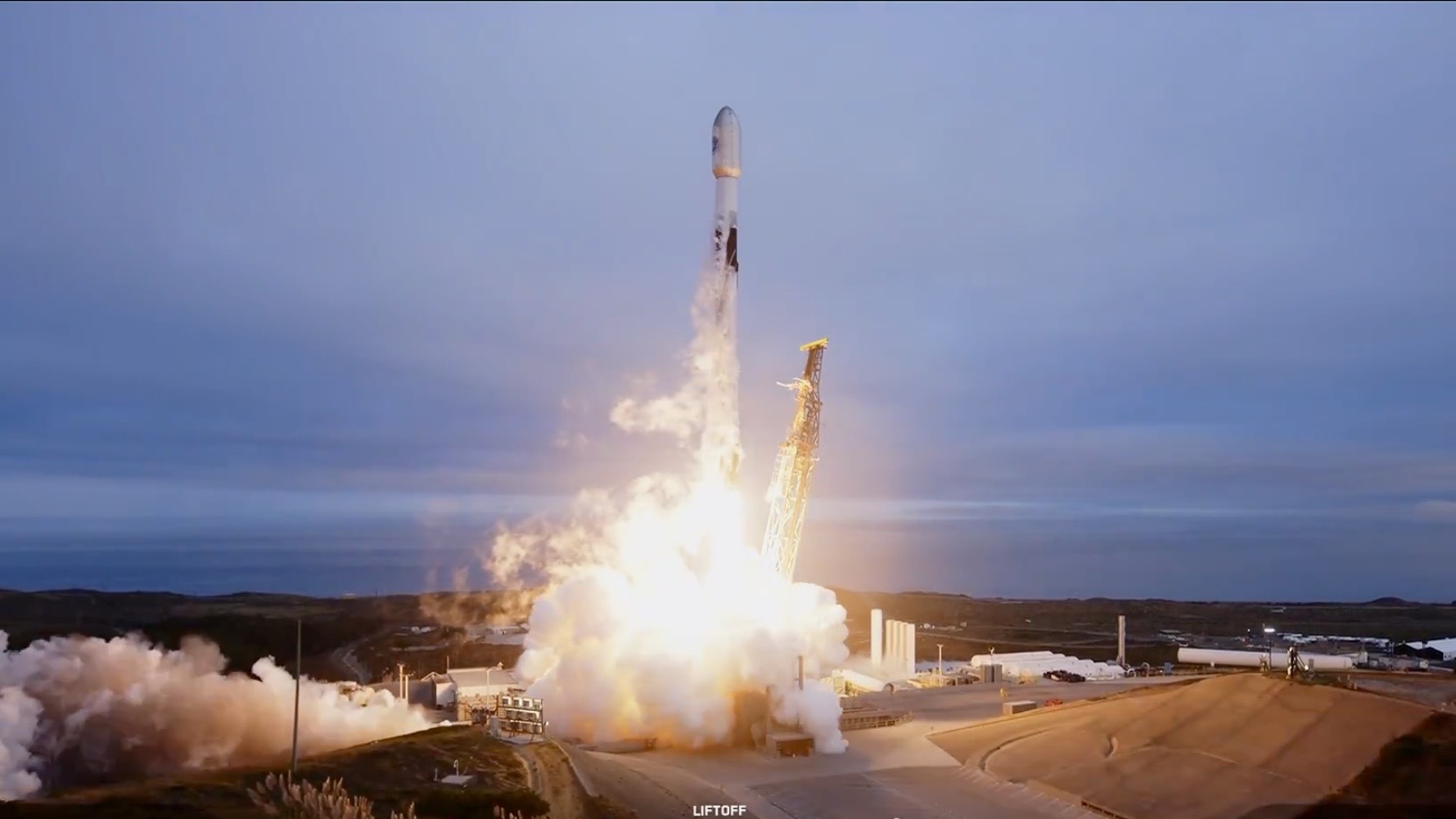
“SpaceX Successfully Launches Nusantara Lima Satellite, Expanding Global Connectivity”
SpaceX marked another successful mission today with the launch of a powerful communications satellite for Indonesia, showing once again how private spaceflight is shaping the future of global connectivity. The Falcon 9 rocket lifted off from Cape Canaveral Space Force Station in Florida at 9:56 p.m. Eastern Time after several days of delays caused by weather. The evening sky was clear enough for liftoff, allowing the rocket to rise smoothly from the launch pad and head toward orbit.
The satellite onboard is called Nusantara Lima, which was built by Boeing for Indonesian operator PSN. It is designed to provide internet, phone, and television services to people across Indonesia’s 17,000 islands and nearby countries. This is especially important because many rural communities in Indonesia have limited access to communication networks. Once it reaches its final orbit, the satellite will stay fixed over one point on Earth, which allows it to send signals consistently to the same region.
As usual for SpaceX, the first stage of the Falcon 9 booster was reused. This particular booster, numbered B1078, has already flown more than twenty missions, proving how reliable SpaceX’s reusability program has become. About eight and a half minutes after launch, the booster made a precise landing on the drone ship waiting in the Atlantic Ocean. The landing was successful, which means the booster can be refurbished and flown again, saving costs for future missions.
The road to launch was not completely smooth. SpaceX had to scrub the first two attempts earlier this week due to poor weather around the Cape, including heavy clouds and lightning risk. These delays are common for Florida launches, but SpaceX’s team stayed ready, monitoring the weather and running through their checklists until they got a safe window. This shows how much attention is paid to safety and mission success, even when schedules have to be adjusted.
The mission also highlights how space is becoming an essential part of everyday life on Earth. Satellites like Nusantara Lima are not just scientific experiments; they are practical infrastructure that can help bring internet to schools, hospitals, businesses, and homes that are otherwise disconnected. For a country made up of thousands of islands, satellite coverage is often the fastest and most reliable way to bridge the digital divide.
This launch also contributes to SpaceX’s growing record of successful flights in 2025. The company is on pace to set another record for the number of missions in a single year. SpaceX is not only sending satellites to orbit but also working on its Starship program for deep space travel and crewed missions. Every Falcon 9 flight adds data, experience, and confidence for the team as they continue to improve their rockets and procedures.
For the United States, missions like this keep the country at the forefront of the commercial space industry. By partnering with international customers, SpaceX brings in revenue and keeps its production lines and launch teams busy. It also demonstrates how American companies can play a central role in connecting the world through technology.
In the coming weeks, engineers will monitor Nusantara Lima as it raises its orbit using onboard engines. Once it reaches its geostationary slot and passes testing, it will begin service, likely in 2026. At that point, millions of users in Indonesia could see faster internet speeds and better coverage.
Today’s launch was more than just a rocket rising into the night sky. It was a reminder of how spaceflight has evolved from a rare government activity to a regular part of global infrastructure development. SpaceX continues to push toward making space access cheaper, more frequent, and more reliable. For the people of Indonesia, this launch could mean new opportunities for education, health services, and economic growth. For the rest of the world, it is another step in building a more connected planet.