Pratik Kamble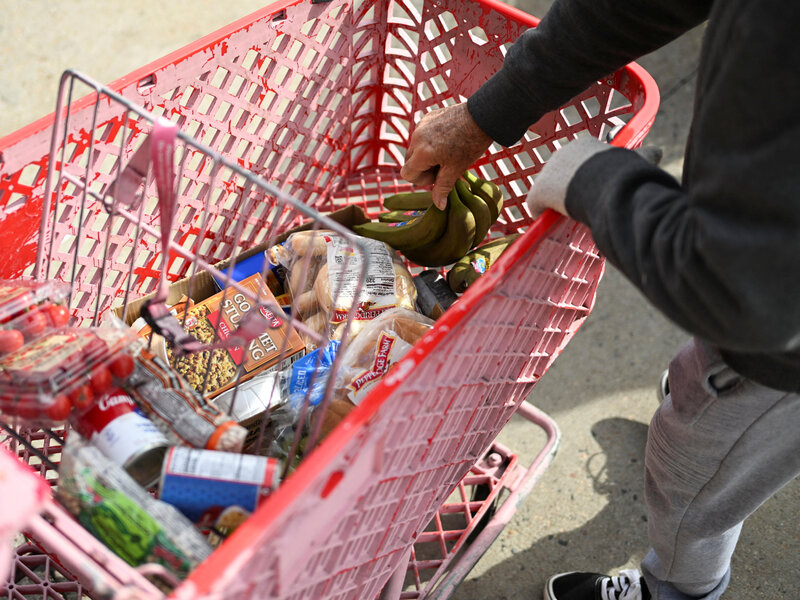
Trump Administration Plan Ends Benefits for Millions
Nearly five million Americans who rely on food stamps will not receive their Supplemental Nutrition Assistance Program (SNAP) benefits this November under a plan released Tuesday by the Trump administration, according to a new analysis by independent policy researchers.
The move follows a federal court order directing the administration to align SNAP distributions with budgetary and eligibility constraints set during prior litigation over emergency aid expansions.
Officials say the changes are necessary to comply with fiscal law, but critics warn the plan could deepen food insecurity among low-income families, seniors, and children heading into the holiday season.
Court Order Forces Cuts
According to documents from the U.S. Department of Agriculture (USDA), the new schedule halts payments to roughly 4.8 million recipients, primarily adults without dependents and households recently deemed “over-income” under revised thresholds.
“This is not a discretionary choice,” said a senior USDA official. “We’re following a federal court’s ruling that requires us to restore SNAP eligibility to pre-pandemic levels.”
The cuts mark one of the largest one-month reductions to food assistance in U.S. history, affecting nearly one in eight current beneficiaries.
Analysts Warn of Rising Food Insecurity
A study released by the Center on Budget and Policy Priorities (CBPP) estimated that the average affected household will lose approximately $180 in monthly benefits, the equivalent of two weeks of groceries for a small family.
“Millions of Americans who were barely making ends meet will now be forced to choose between food, rent, and medicine,” said CBPP senior analyst Sarah Michelson.
The organization warned that food banks and community pantries across the country are already reporting surges in demand as inflation keeps grocery prices elevated.
White House Defends Fiscal Responsibility
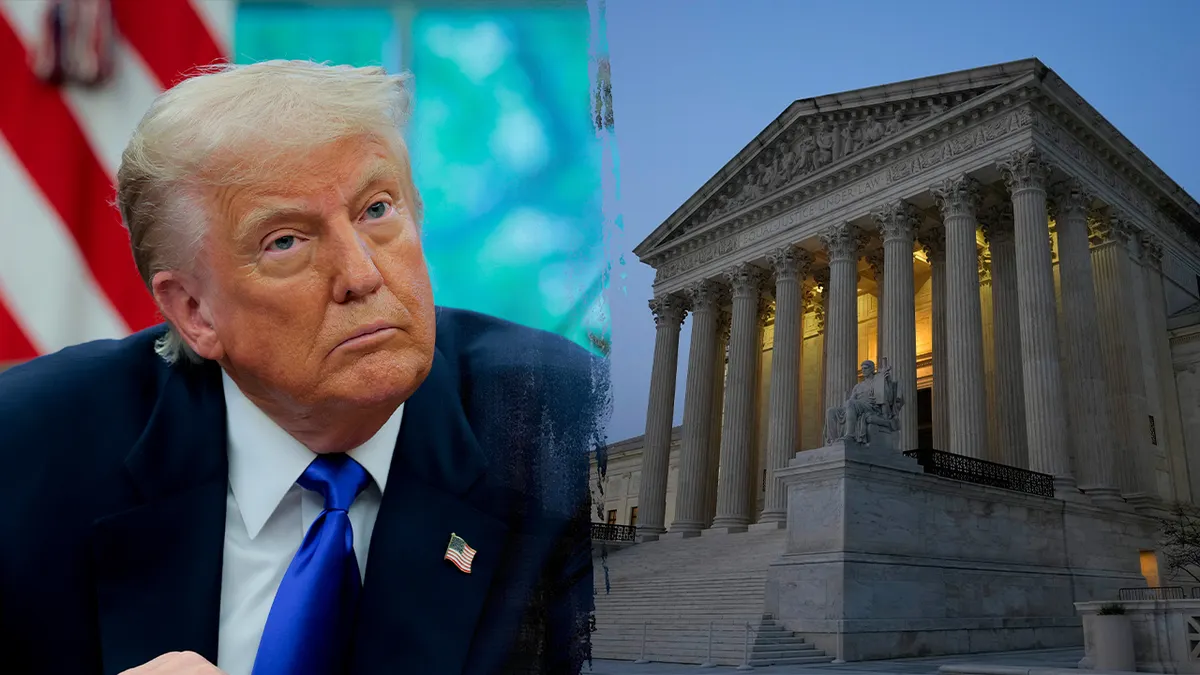
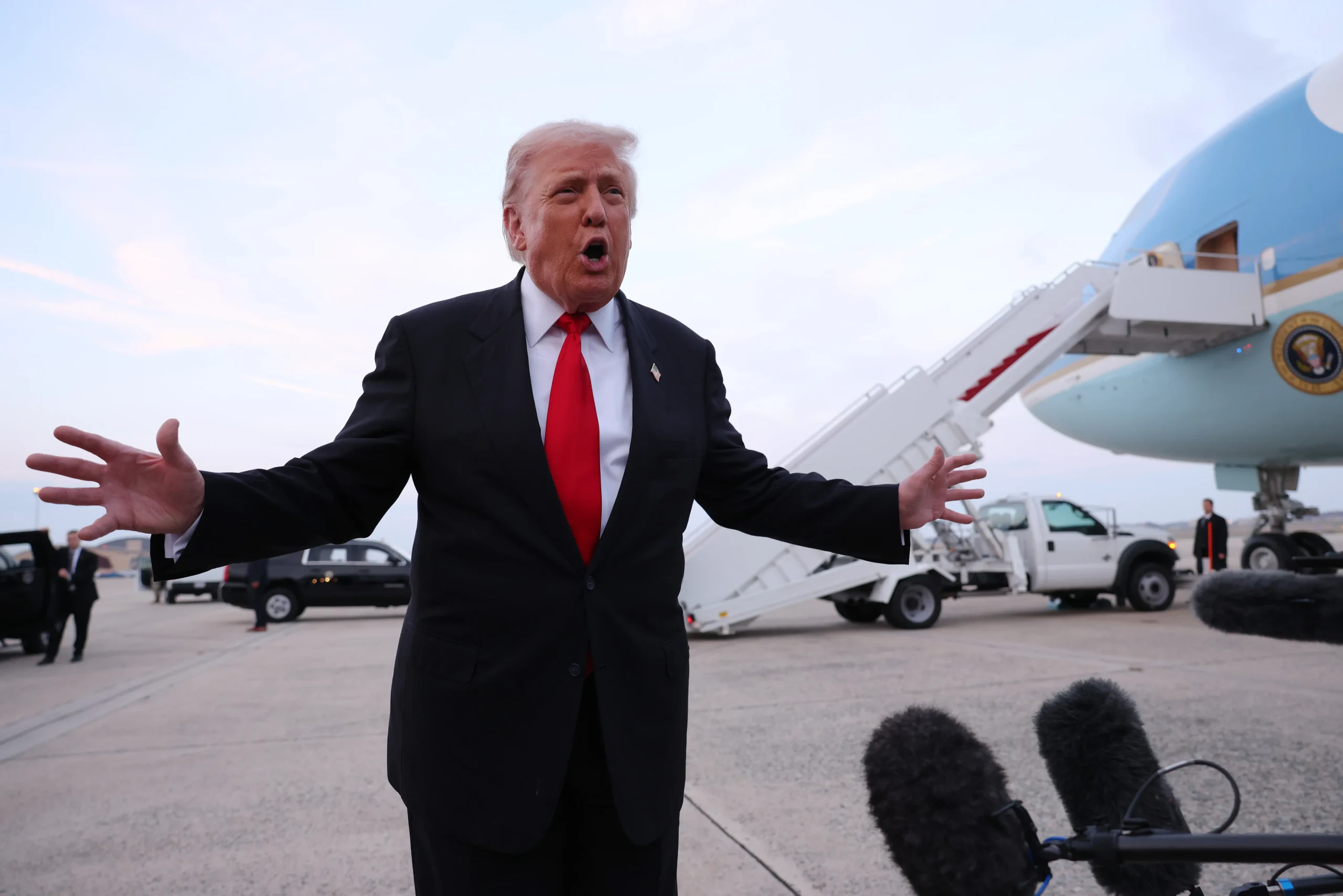
The Trump administration defended the plan, calling it a necessary step to restore fiscal discipline and reduce dependency on federal aid.
“This administration is committed to helping Americans find work and achieve self-sufficiency,” a White House spokesperson said. “The previous expansions were temporary emergency measures, and it’s time to transition back to normal standards.”
Supporters of the policy argue that tightening eligibility rules will encourage able-bodied adults to seek employment, pointing to historically low unemployment rates and steady job growth in recent months.
Democrats and Advocates Condemn the Move
Democratic lawmakers swiftly condemned the cuts, calling them “cruel” and “short-sighted.”
“This decision punishes struggling Americans for circumstances beyond their control,” said Sen. Sherrod Brown (D-Ohio). “At a time when families are still battling high prices, this is the wrong message.”
Advocates for low-income communities are urging Congress to intervene or pass emergency relief legislation to prevent widespread hunger during the winter months.
Political and Economic Implications
The Trump administration food stamp cuts could carry political consequences heading into the 2026 midterm elections. Analysts say the reductions disproportionately impact rural and working-class voters — demographics critical to the Republican base.
“While the administration views this as fiscal prudence, the optics of millions losing food aid before the holidays could be damaging,” said political strategist Rachel Cohen.
Economists also warn that reducing SNAP spending could slow local economic activity, as the program injects billions of dollars into grocery stores and small businesses each month.
Looking Ahead
USDA officials said they will monitor the rollout closely and provide guidance to states managing the transition. But unless Congress intervenes, November’s benefit halt appears unavoidable.
Food security experts fear that the cuts could trigger an increase in hunger rates unseen since the Great Recession.
“This is a moral crisis as much as an economic one,” said Rev. William Barber, co-chair of the Poor People’s Campaign. “No nation should celebrate fiscal responsibility while its people go hungry.”