Pratik Kamble
Congress Demands Transparency on Trump Administration Military Strikes
A bipartisan group of House lawmakers is demanding detailed answers from President Donald Trump’s administration over a series of U.S. military strikes carried out against alleged drug-trafficking vessels in the Caribbean Sea and Eastern Pacific Ocean.
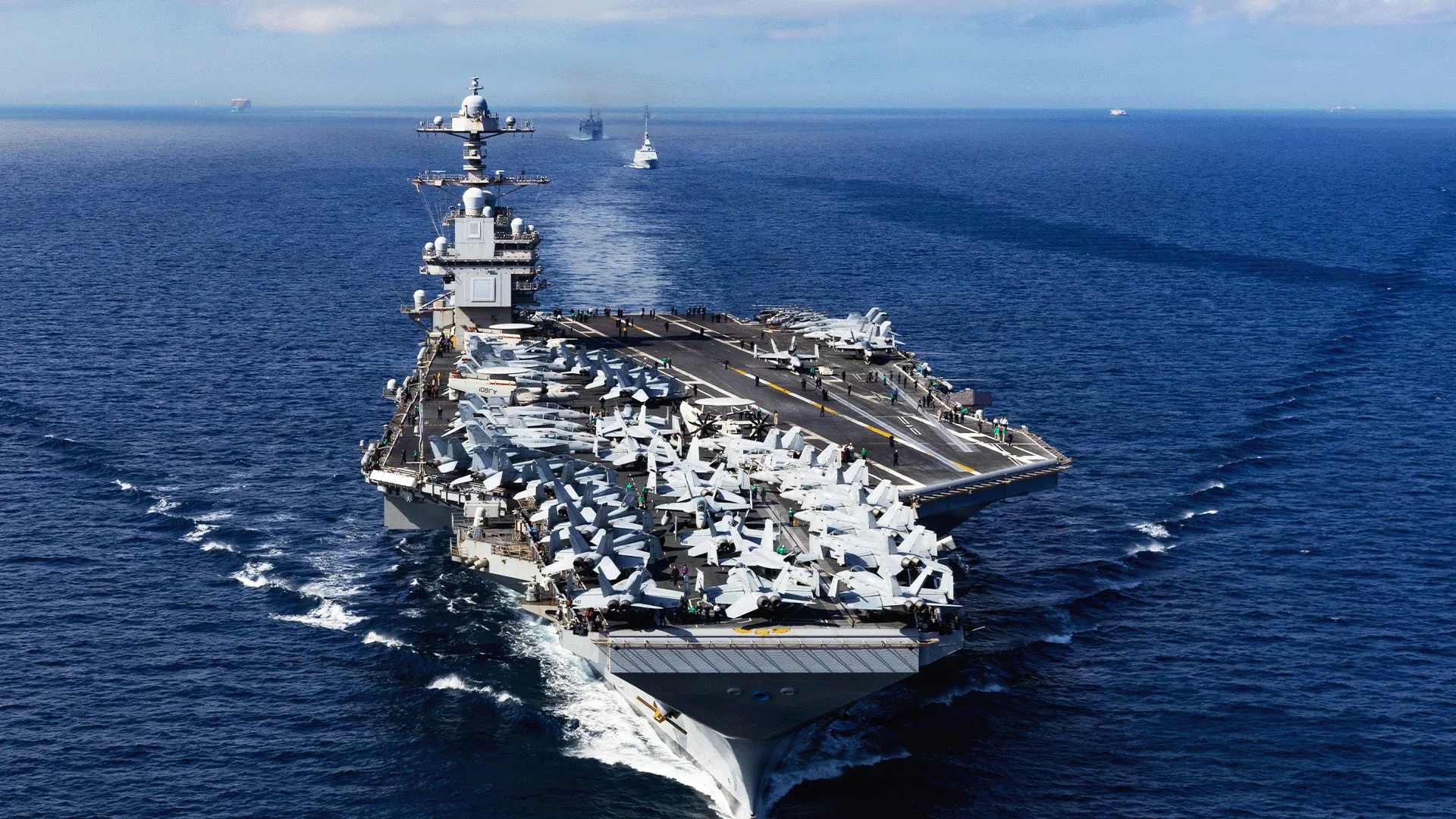
Lawmakers expressed concern that the ongoing operations — some of which have reportedly involved the use of naval aircraft and drones — may have expanded beyond traditional counter-narcotics missions, raising questions about the legal authority and oversight of such strikes.
“Congress was never briefed on the full scope of these operations,” said Rep. Abigail Spanberger (D-Va.), a former CIA officer. “The American people deserve to know under what authority these actions are being taken.”
Background: Expanding Military Role in Drug Interdiction
Since early 2024, the Trump administration has quietly ramped up maritime interdiction missions in Latin American waters, describing them as necessary to disrupt international drug cartels and protect U.S. national security.
The operations, led by U.S. Southern Command, have involved fighter jets, Navy destroyers, and Coast Guard cutters, targeting high-speed boats — often called “narco subs” — suspected of smuggling cocaine and fentanyl precursors into the United States.
However, according to defense analysts, the increasing militarization of these operations and limited congressional oversight have raised red flags among both Democrats and Republicans.
“We support counter-drug operations, but not secret wars,” said Rep. Matt Gaetz (R-Fla.), who joined the bipartisan letter to the White House. “The administration owes Congress transparency.”
Calls for Legal Clarification
At the center of the controversy is whether these strikes fall under existing counter-narcotics authorities or if they require new congressional authorization.
Lawmakers argue that the 2001 Authorization for Use of Military Force (AUMF) — originally designed to target terrorists after 9/11 — may be stretched beyond its intent if applied to drug traffickers.
“This isn’t about terrorism,” said Rep. Barbara Lee (D-Calif.), a longtime critic of executive overreach. “It’s about the executive branch expanding its power under the guise of national security.”
The lawmakers’ letter, sent Tuesday to Defense Secretary Lloyd Austin and National Security Adviser Robert O’Brien, requested a classified briefing by the end of the month detailing targets, methods, and civilian casualty safeguards.
The Administration’s Response
A Pentagon spokesperson defended the operations, emphasizing that they are lawful, proportionate, and focused solely on narcotics interdiction.
“All missions are conducted under appropriate authorities and consistent with international law,” the official said.
Still, critics say the secrecy surrounding the program mirrors past covert operations that lacked proper oversight — echoing concerns from both the Iraq War and Afghanistan drone campaigns.
Security experts warn that such unilateral actions could strain relations with regional partners, particularly Colombia, Panama, and Mexico, who were not formally notified of several recent operations.
What Happens Next
The House Armed Services Committee is reportedly preparing to hold closed-door hearings later this month to review classified documents related to the strikes.
Analysts believe this confrontation could ignite a broader debate about executive military authority — one that will test how much power the president can wield without congressional approval.
“This is a constitutional issue as much as a national security one,” said John Pike, director of GlobalSecurity.org. “If Congress doesn’t assert oversight now, it sets a dangerous precedent.”
The Trump administration military strikes controversy underscores a growing tension between national defense imperatives and democratic accountability — a debate likely to shape U.S. foreign policy heading into the 2026 elections.