Pratik Kamble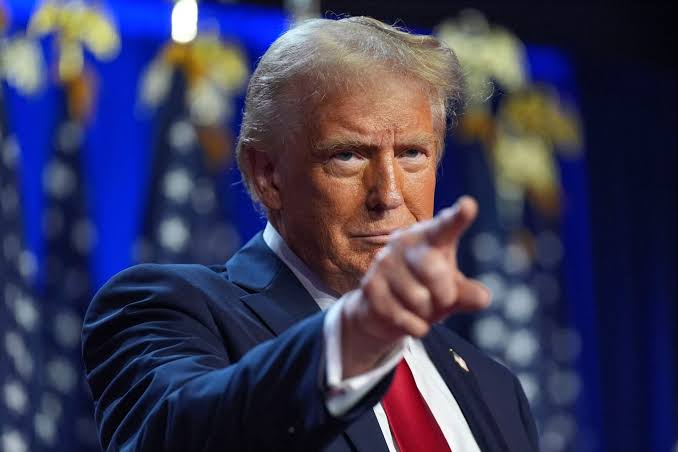
Donald Trump Zohran Mamdani Clash Heats Up Over NYC Funding
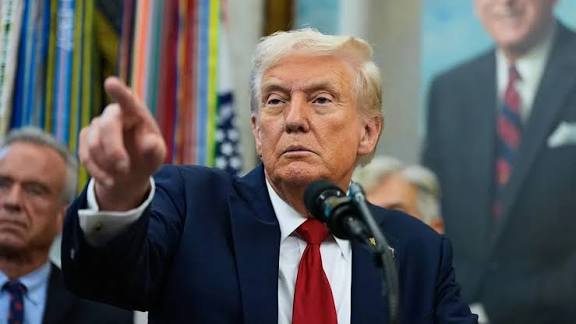
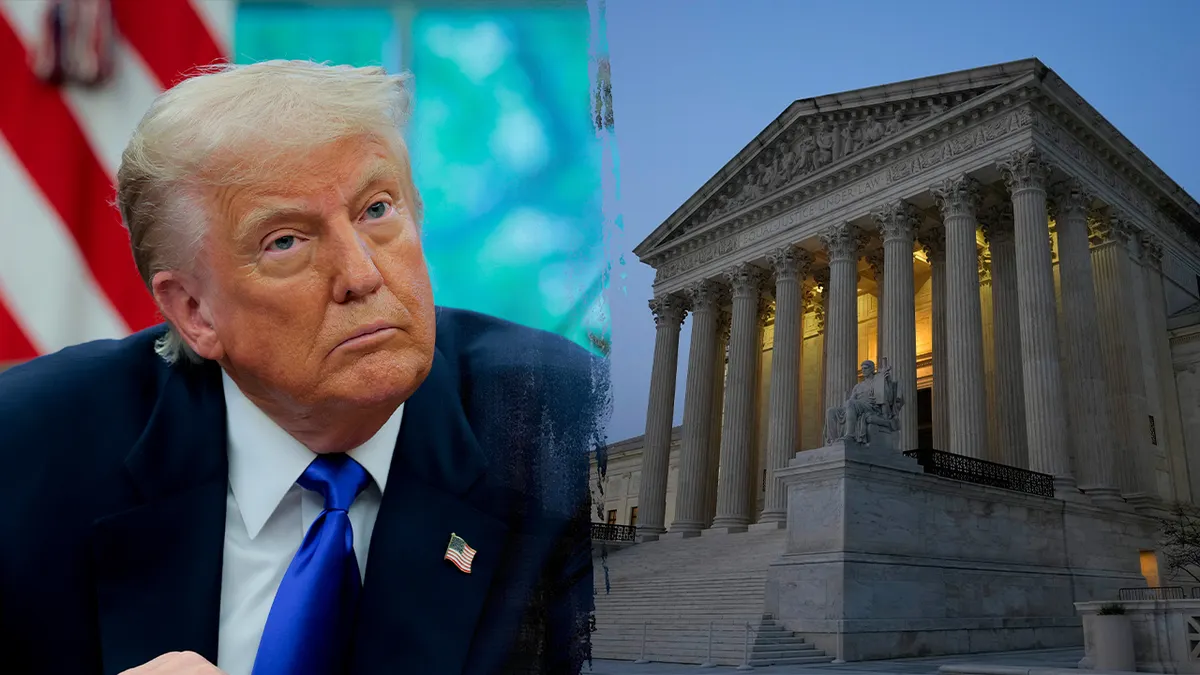
Former President Donald Trump has declared that it is “highly unlikely” he would approve federal funding for New York City if Democratic socialist Zohran Mamdani is elected as the city’s next mayor.
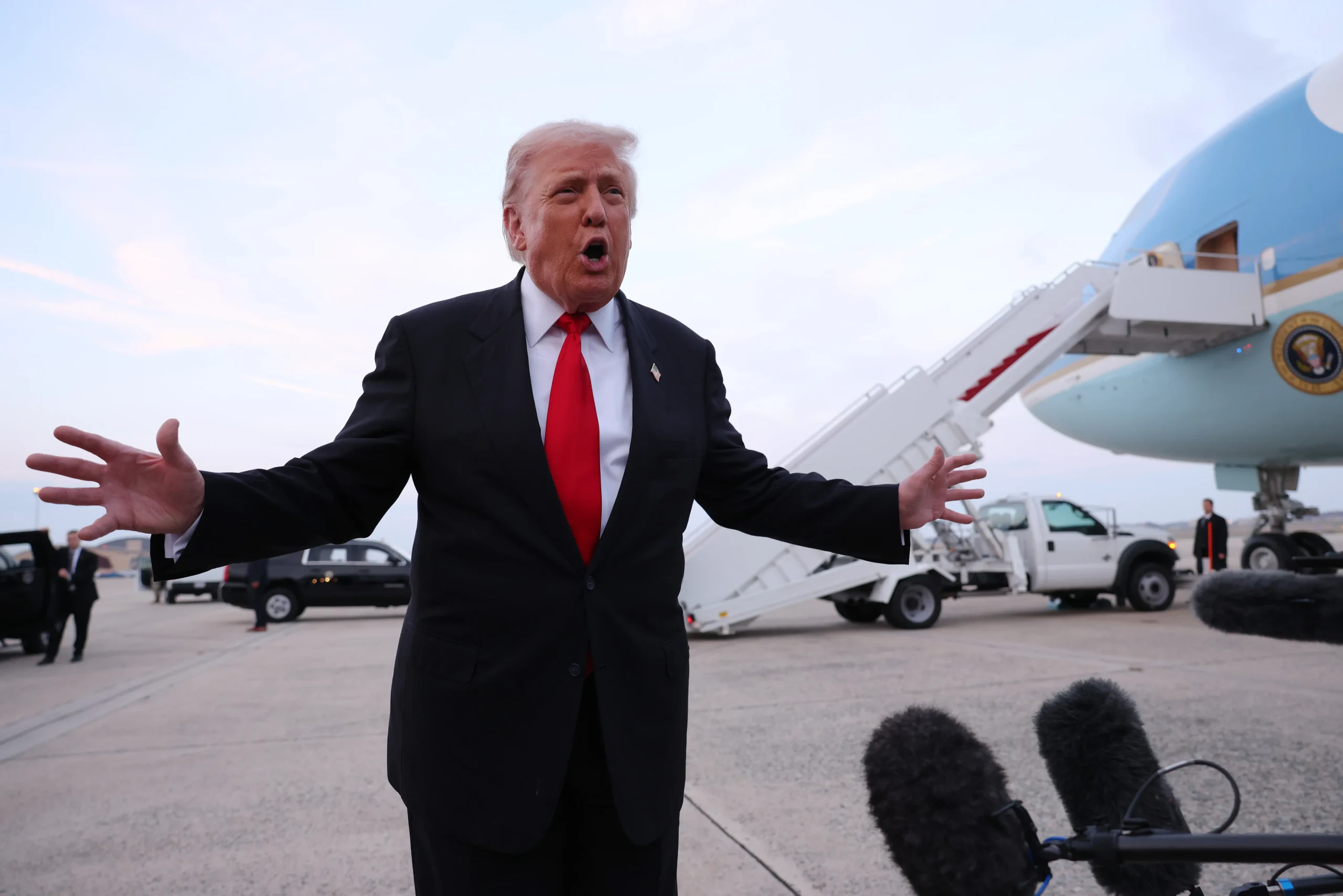
Speaking during a press event on Monday, Trump said he would provide “only the very minimum required by law” should Mamdani, a progressive state lawmaker, win the race to succeed current Mayor Eric Adams.
“Why should hardworking Americans in other states pay for socialist experiments that destroy cities?” Trump said. “New York deserves better leadership than this.”
The remark instantly ignited a political firestorm, deepening the growing divide between the former president and the city’s progressive establishment.
Mamdani’s Mayoral Bid Sparks National Attention
The Donald Trump Zohran Mamdani exchange comes as the New York City mayoral race intensifies.
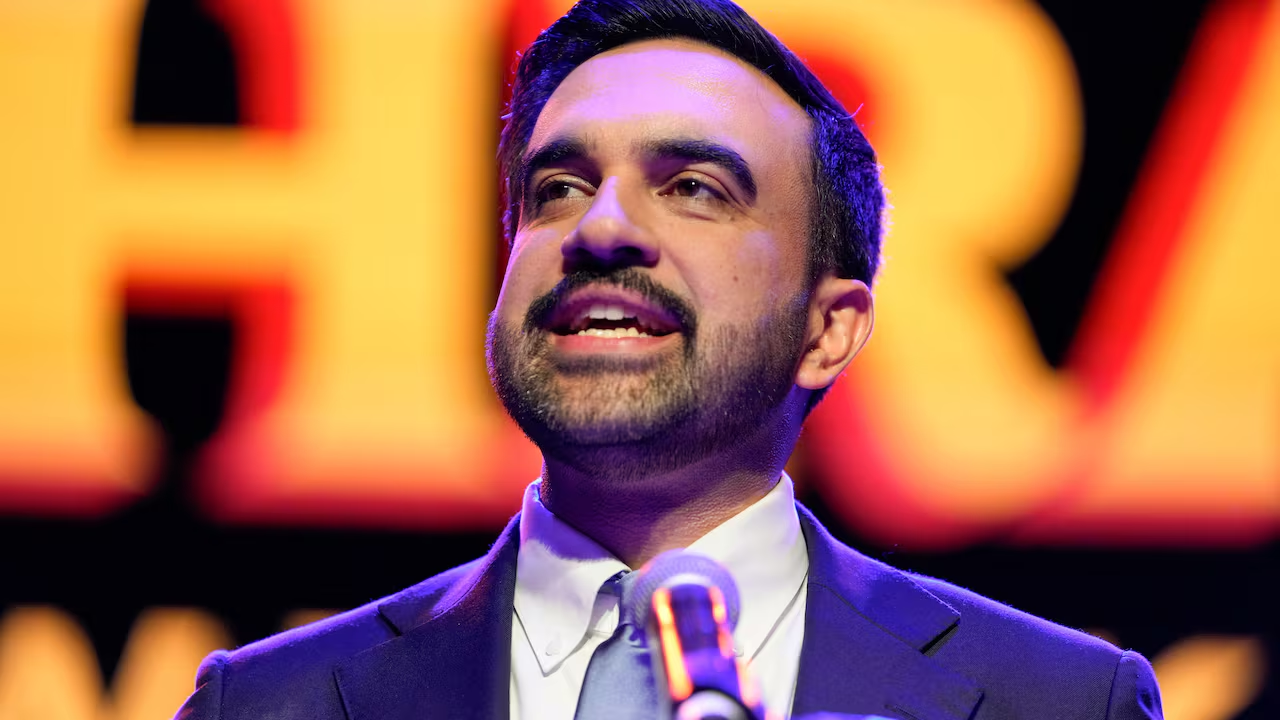
Zohran Mamdani, a self-described Democratic socialist and state assemblyman from Queens, has gained support from House Minority Leader Hakeem Jeffries and other progressive figures.
Mamdani’s campaign emphasizes affordable housing, rent control, and redistribution of city wealth — policies critics say could overburden taxpayers and drive businesses away.
Trump, meanwhile, has framed Mamdani as a “radical left puppet” of national Democrats, arguing that his policies would “bankrupt New York” and push more people to flee the state.
Federal Funds in Question
Federal aid plays a major role in maintaining New York City’s infrastructure, housing, and public safety programs.
Under Trump’s potential second administration, funding decisions could be politically influenced by who leads the city.
Trump clarified that while legally mandated aid — such as disaster relief and Medicaid allocations — would continue, discretionary grants and urban development funds could be drastically reduced if Mamdani takes office.
“We will not subsidize socialist policies that punish success and reward failure,” Trump said.
Economists warn that such a move could strain city services, especially amid rising costs and housing shortages.
However, Trump’s supporters argue that tough financial measures could pressure New York’s leadership to adopt more fiscally responsible governance.
Mamdani Responds: “Trump Doesn’t Own the Treasury”
Mamdani quickly fired back on X (formerly Twitter), saying Trump’s comments reflect “the politics of vengeance, not vision.”
“Donald Trump doesn’t own the U.S. Treasury,” Mamdani wrote. “New Yorkers deserve a government that invests in people — not threats from billionaires.”
His campaign team also accused Trump of trying to interfere with local elections and “bully” voters through fearmongering.
Political analysts say Mamdani is attempting to use Trump’s remarks to rally progressive voters in deep-blue New York, portraying himself as a champion of working-class resistance against federal intimidation.
Political Fallout and National Implications
The Donald Trump Zohran Mamdani standoff highlights a broader ideological clash between Trump’s America-first conservatism and Mamdani’s brand of urban socialism.
Experts suggest that Trump’s statement serves two purposes: reinforcing his opposition to “radical left” policies while energizing his base ahead of the 2026 elections.
Meanwhile, Mamdani’s rise signals a shift in Democratic politics toward more grassroots-driven, socialist platforms that could reshape city governance.
Polls show the New York mayoral race tightening, with Mamdani currently leading by a slim margin in early surveys.
Trump’s remarks could add national scrutiny — and possibly influence voters wary of losing federal support.
A Test of Ideology and Influence
As the race unfolds, the Donald Trump Zohran Mamdani confrontation may become a defining issue not just for New York City but for the Democratic Party’s internal identity.
If Mamdani wins, his policies will be viewed as a litmus test for socialism’s viability in America’s largest city.
If Trump returns to the White House, his threat could test how far federal authority can shape local governance through funding leverage.
Either way, this political face-off underscores how New York’s local politics continue to echo across the national stage.