Pratik Kamble
Trump’s Dividend Proposal for Americans
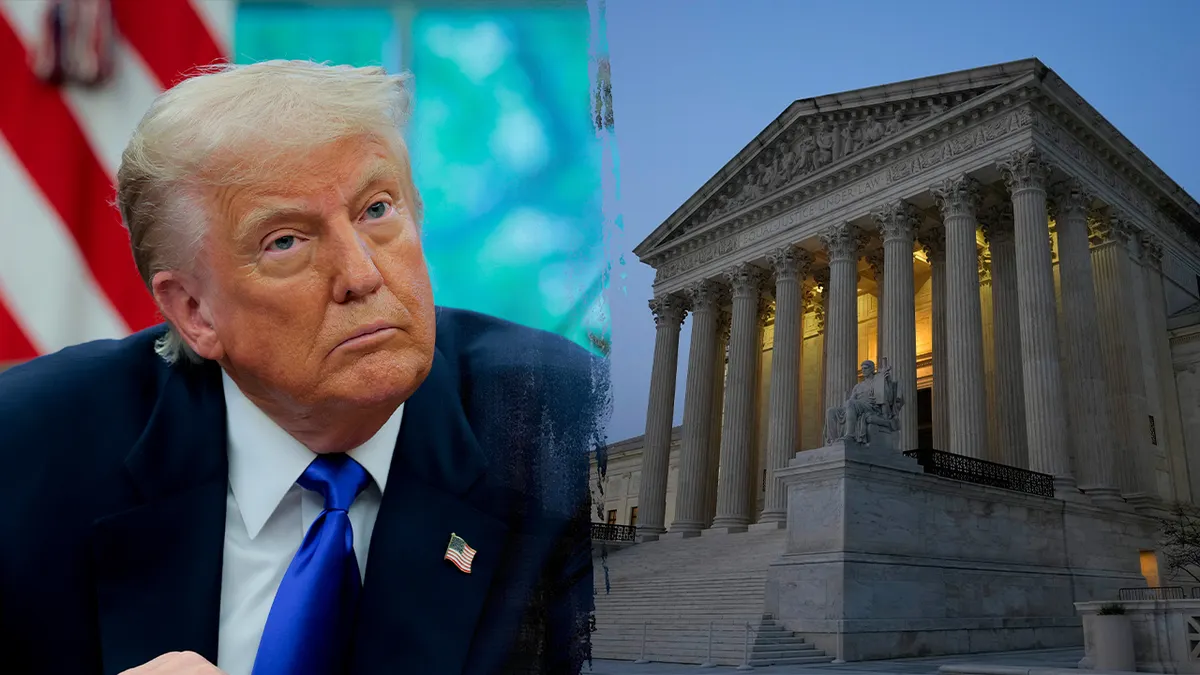
As the United States waits for a Supreme Court ruling on the legality of Donald Trump’s global tariffs, the discussion about trade policy has returned to center stage. Trump’s tariffs were originally introduced as a way to protect American jobs and industries, with the claim that foreign competitors were taking unfair advantage of the U.S. market. At the same time, many critics said the tariffs disrupted international trade, raised costs for American businesses, and added pressure on consumers. Now, the case before the Supreme Court could decide whether these tariffs remain in place or are struck down altogether.
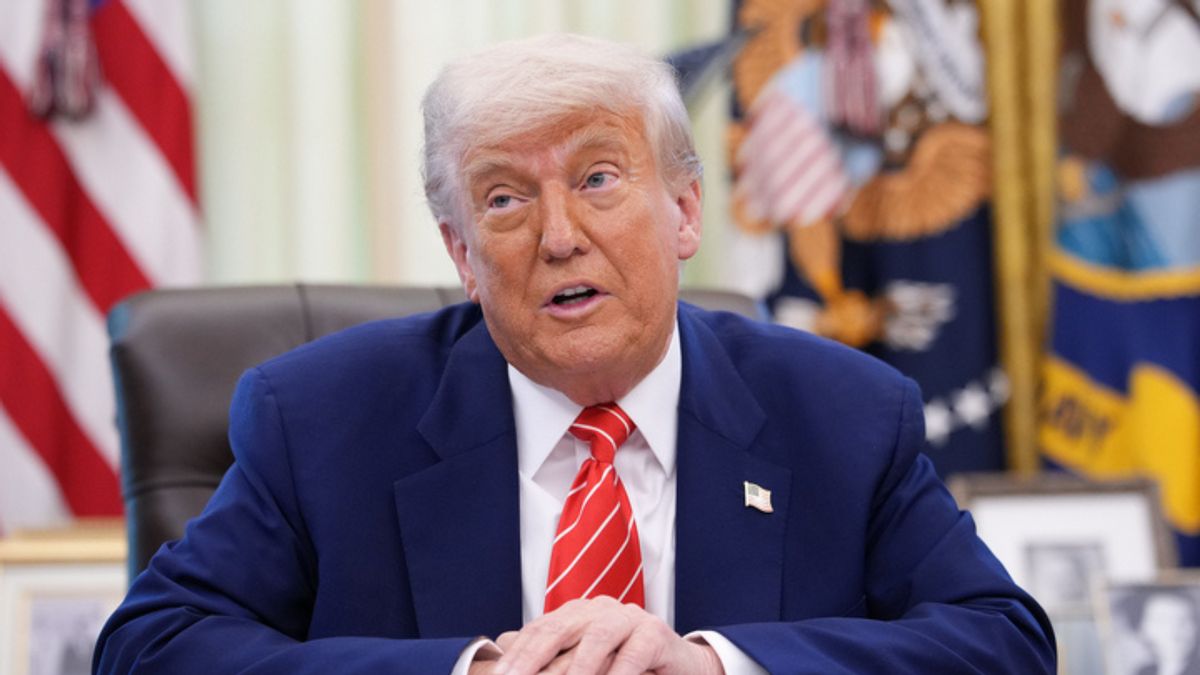
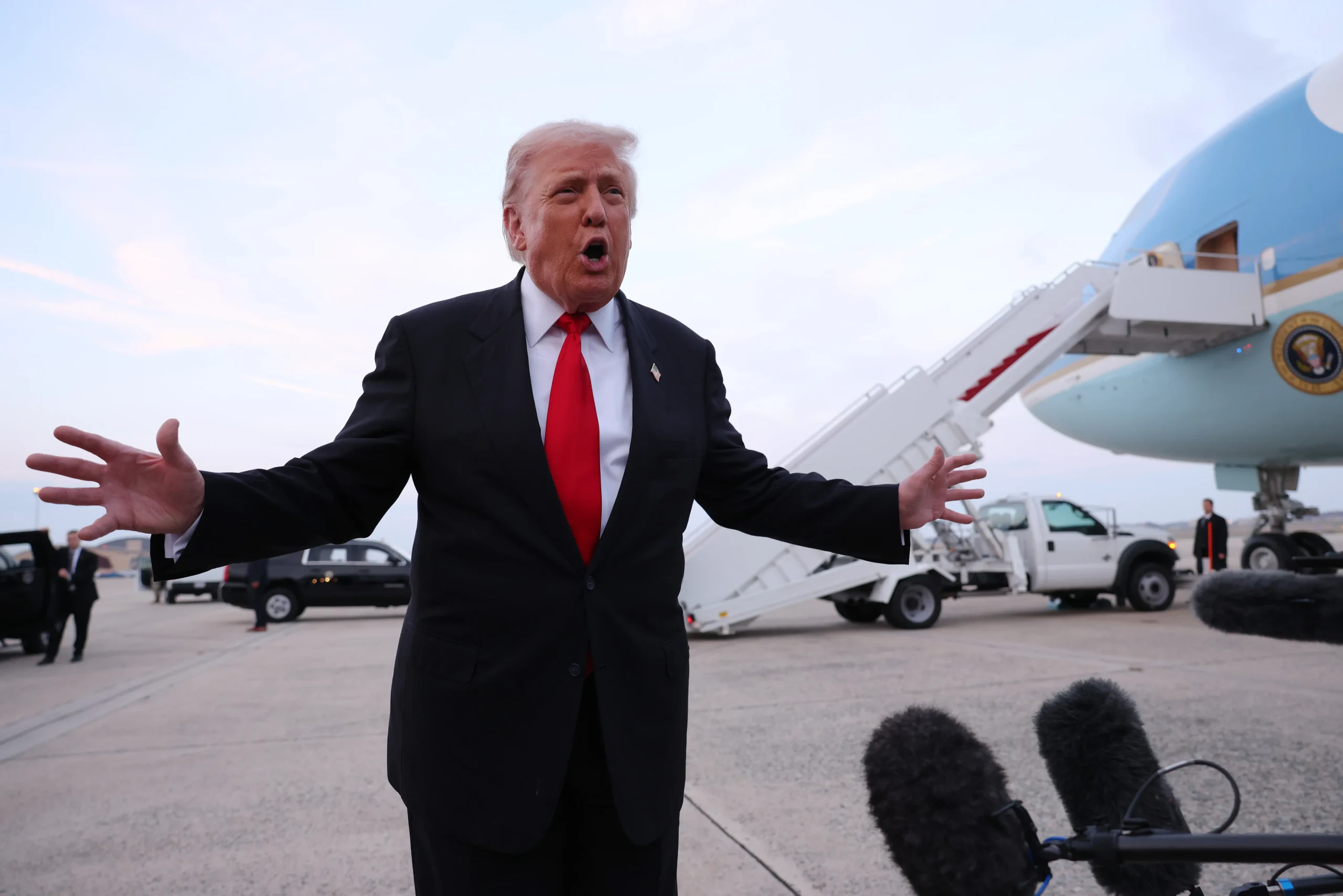
What has added new energy to the debate is Trump’s recent statement that he is considering paying Americans a dividend from the revenue collected through these tariffs. This proposal would mean that money taken from foreign imports through tariff fees could be redirected into the hands of U.S. citizens. For supporters, this idea feels like a fair return to taxpayers, giving ordinary Americans a direct benefit from policies that have often been discussed only in terms of international trade and corporate costs. They see it as a way of ensuring that tariffs do not just fill government accounts but instead go back to the people.
On the other side, opponents of the proposal argue that the plan is more symbolic than practical. They point out that while the revenue from tariffs may sound large, spreading it across the entire U.S. population might not create a meaningful impact for each household. Some economists warn that focusing on dividend payments could distract from the deeper economic effects of tariffs, such as higher consumer prices and strained trade relations with allies.
The Supreme Court’s ruling will decide more than just the future of the tariffs. It could also determine whether Trump’s dividend plan has a chance to move forward. If the court upholds the tariffs, the possibility of Americans receiving a payout could become a real policy issue. If the tariffs are struck down, the plan will disappear along with the revenue.
For many Americans, the case represents more than a technical legal matter. It highlights questions about how the country should balance protecting its industries with maintaining healthy international trade. It also raises the issue of how government revenue from such policies should be used. Whether or not citizens ever see dividend checks, the decision will shape future debates about trade, economics, and the role of government in directly supporting the public.