Pratik Kamble
💊 Trump Vows Healthcare Plan Only With Direct Payments to Americans
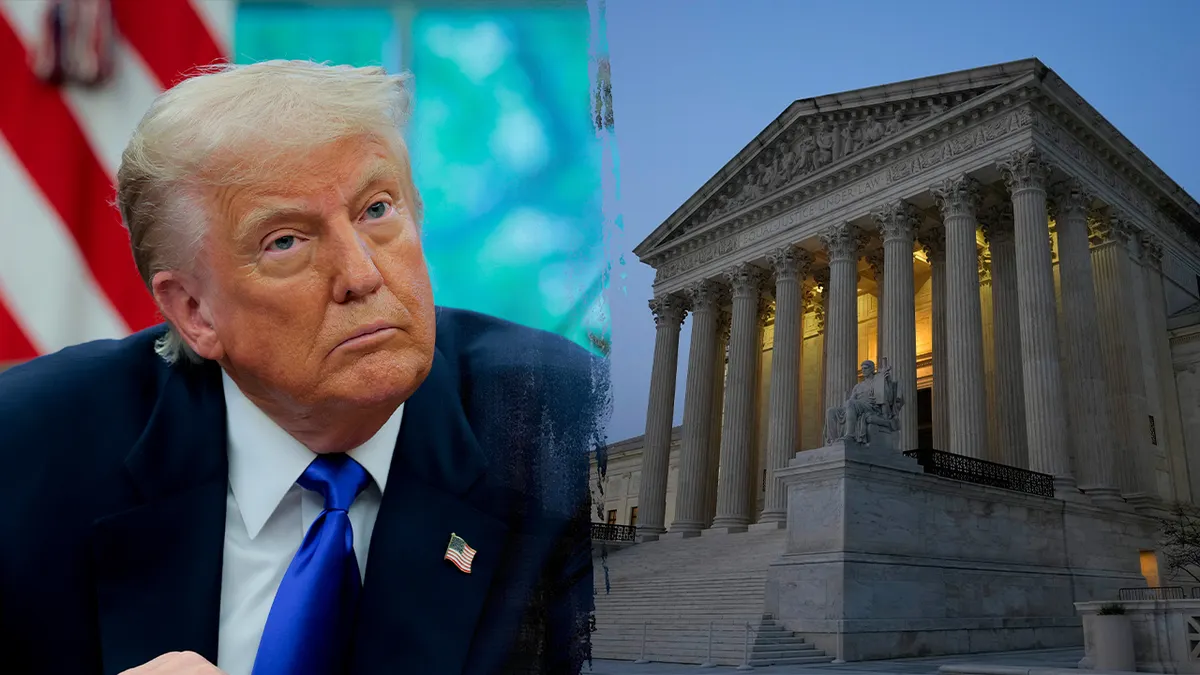
President Trump has escalated his push for healthcare reform, stating that he will reject any legislative proposal that does not send federal subsidies and payments directly to individuals, effectively cutting out major insurance providers.
In a post on Truth Social, the President wrote:
“THE ONLY HEALTHCARE I WILL SUPPORT OR APPROVE IS SENDING THE MONEY DIRECTLY BACK TO THE PEOPLE, WITH NOTHING GOING TO THE BIG, FAT, RICH INSURANCE COMPANIES, WHO HAVE MADE $TRILLIONS, AND RIPPED OFF AMERICA LONG ENOUGH. THE PEOPLE WILL BE ALLOWED TO NEGOTIATE AND BUY THEIR OWN, MUCH BETTER, INSURANCE. POWER TO THE PEOPLE! Congress, do not waste your time and energy on anything else.”
🏦 The Core Proposal: Redirecting Subsidies
This demand is aimed squarely at the Affordable Care Act (ACA) subsidy structure. Currently, billions in federal funds (known as premium tax credits) are sent directly to insurance companies to offset the monthly premiums of enrollees.
The President’s plan, which has been floated by conservative policy experts, would involve redirecting this money to individuals.
-
The Mechanism: While the exact plan has not been codified into legislation, the general idea is to provide Americans with some form of fixed-dollar tax credits or vouchers that they can deposit into tax-advantaged accounts, like expanded Health Savings Accounts (HSAs).
-
The Goal: By bypassing insurers, the administration aims to increase competition and consumer choice, allowing individuals to shop for and purchase their own “much better, healthcare” plan, including less-regulated options like short-term, limited-duration plans.
⚠️ Political and Economic Impact
The President’s uncompromising stance on this issue comes at a crucial time, as the enhanced ACA premium tax credits are set to expire at the end of the year.
-
Political Pressure: The statement puts immense pressure on Republican lawmakers to coalesce around a unified replacement plan that incorporates this direct payment structure, rather than simply letting the subsidies expire, which would cause premiums to skyrocket for millions of Americans.
-
Market Risk: Health economists have warned that shifting subsidies directly to individuals without maintaining the ACA’s consumer protections and risk-pooling mechanisms could lead to market instability. A “death spiral” scenario could occur if healthy individuals take the cash, leaving the insurance pools with only older, sicker people, thereby making premiums unaffordable for those remaining.