Pratik Kamble
⚡️ Utility Bill Delinquency Soars: A Warning Sign for the US Economy
A new analysis of consumer data from The Century Foundation, a liberal think tank, confirms that more Americans are struggling to pay for basic necessities like heat and electricity, pointing to deep financial distress for millions of households.
The data reveals a dramatic financial squeeze:
-
Past-Due Balances Surging: Past-due balances owed to utility companies jumped 9.7% annually between April and June 2025, reaching an average of $789.
-
Cost Overload: This delinquency spike directly overlapped with a 12% jump in monthly energy bills during the same period, far outpacing general inflation.
-
Financial Brink: Utility bills are typically prioritized alongside mortgage and auto payments. The fact that consumers are falling behind on these essentials is a strong indicator that their budgets have been exhausted, and they are likely cutting back on other critical spending.
🏛️ The Political Headache for President Trump
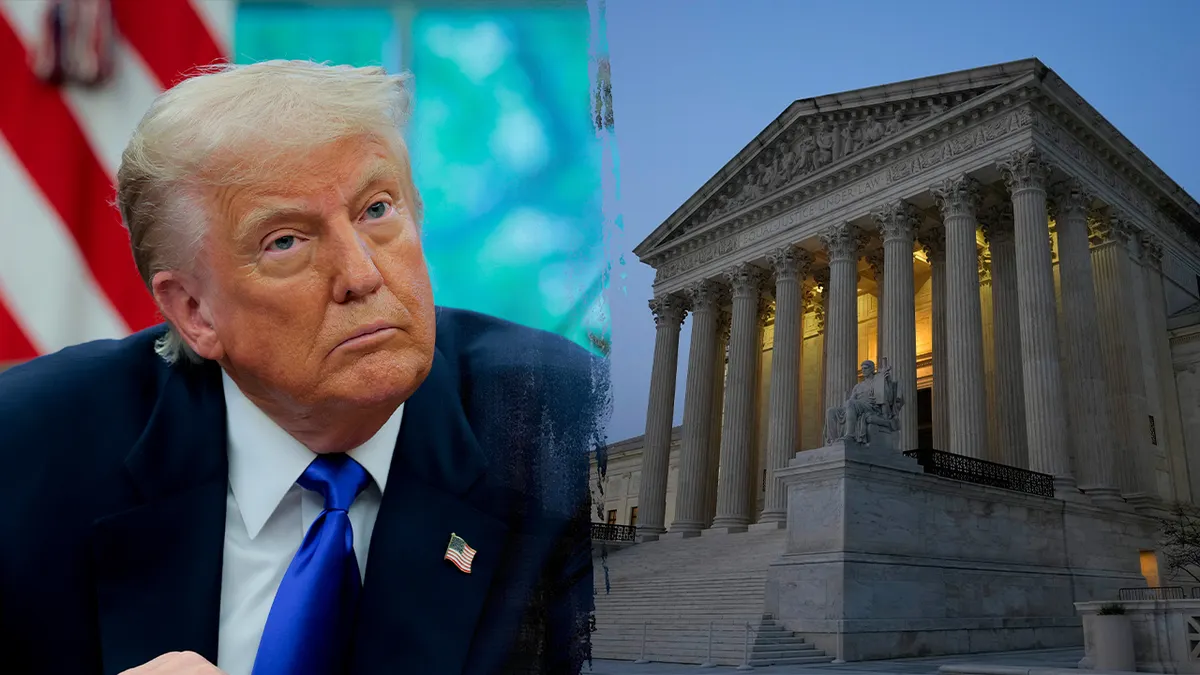
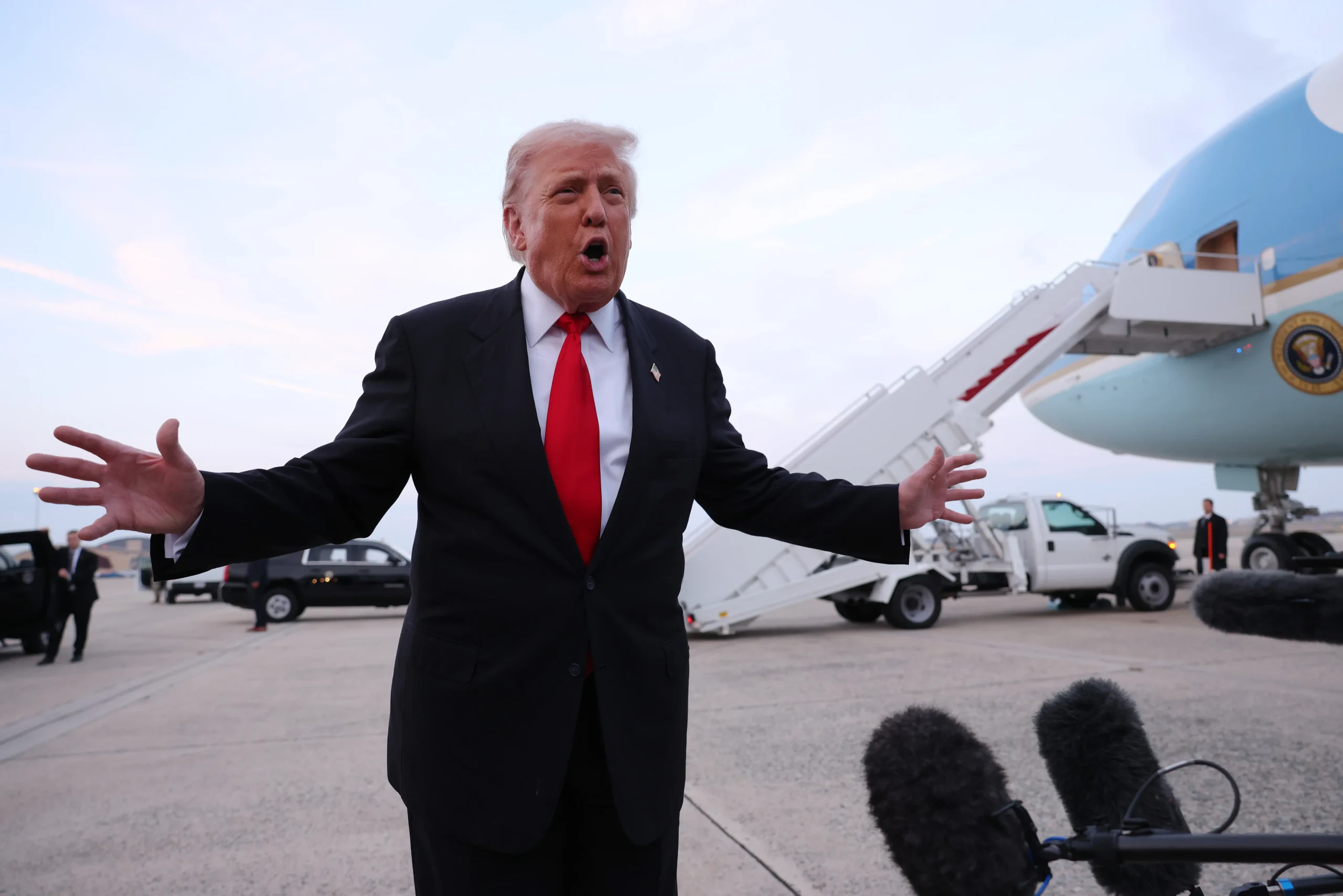
The crisis poses a severe political problem for the Trump administration, which has consistently downplayed affordability concerns and promised lower energy prices.
The AI Dilemma
The administration is heavily promoting the buildout of the Artificial Intelligence (AI) industry as a key to economic growth. However, AI data centers are notorious for their massive electricity consumption, which threatens to drive utility bills even higher for everyday Americans. This creates a conflict where the administration’s promised economic boom could directly exacerbate a primary source of financial pain for voters.
The Blame Game
The administration has largely tried to deflect responsibility for rising electricity costs.
-
Official Stance: Treasury Secretary Scott Bessent stated this month, “Electricity prices are a state problem,” arguing that local utility boards control the rates, not the federal government.
-
The Counter-Argument: Critics, including The Century Foundation, argue the administration is contributing to higher costs by impeding renewable energy generation (like solar and wind) through actions like cutting clean energy tax credits. They claim this forces reliance on more expensive fossil fuels and outdated infrastructure, passing the cost directly to consumers.